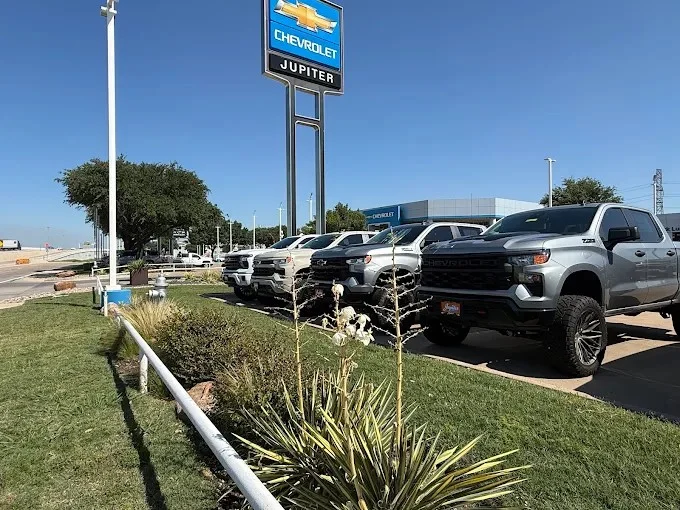



TL;DR: Jupiter Chevrolet's collision center in Garland follows a structured four-step process, inspection and estimate, insurance coordination, OEM-parts repair with ADAS recalibration, and a final quality check, and is a member of the GM Collision Repair Network. Technicians use genuine Chevrolet parts and manufacturer-approved repair procedures, including in-house recalibration of driver-assist systems like adaptive cruise control and lane-keeping assist after a collision, since even minor impacts can throw those sensors off.
Picture this: you're navigating the busy LBJ Freeway in your Chevrolet Silverado 1500 when another vehicle suddenly cuts across your path. The impact sends a jolt through the truck, and what began as a routine drive turns into the need for professional collision repair that restores both safety and appearance. In the fast-paced Dallas metro area, where highways stay crowded and minor incidents happen daily, selecting the right body shop matters. At Jupiter Chevrolet's collision center in Garland, the repair process is built around meticulous care, genuine parts, and a focus on returning vehicles to factory standards.
Drivers across Garland, Dallas, Richardson, Plano, Rockwall-Heath, Forney, Mesquite, McKinney, Grapevine, and Frisco have access to a collision center that's a member of the GM Collision Repair Network, using manufacturer-approved techniques and OEM parts to prioritize structural integrity, advanced safety systems, and long-term reliability.
A Structured Four-Step Repair Process
As soon as your vehicle arrives at the collision center, a clear four-step approach begins. It starts with a thorough inspection and detailed estimate. Technicians examine every visible dent alongside hidden structural concerns using diagnostic equipment, and explain findings transparently so you know exactly what the repair involves before work proceeds.
The second step focuses on insurance coordination. The team manages documentation directly, aiming to minimize the delays that can stretch a claim into weeks elsewhere.
Actual repairs happen in the third phase. Technicians disassemble affected sections, realign frames, and install parts engineered specifically for Chevrolet vehicles, using OEM components to help maintain safety ratings and proper fit. For vehicles with advanced driver assistance systems (ADAS), this includes recalibration of features such as adaptive cruise control and lane-keeping assistance.
A final quality check and delivery close out the process, confirming your Chevrolet drives and looks the way it should.
Why Genuine Chevrolet Parts and GM Training Matter
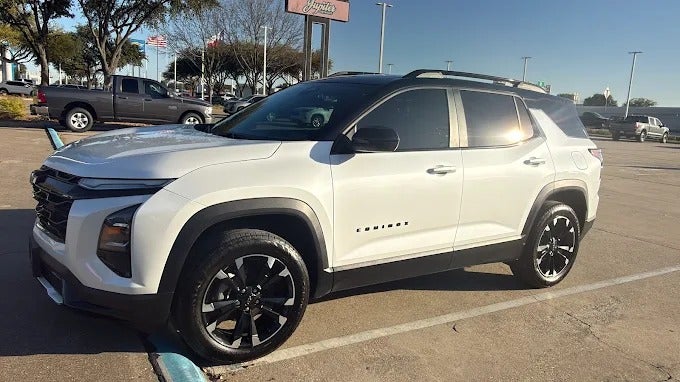
Modern Chevrolets incorporate complex engineering that demands precise repair methods. A seemingly small collision can disrupt sensors or compromise high-strength materials in ways generic repairs can miss. As a member of the GM Collision Repair Network, Jupiter Chevrolet's technicians complete GM-developed training covering specialized procedures, from aluminum repair to advanced steel welding for popular models including the Silverado 1500 and Equinox.
Choosing genuine parts helps protect original performance, resale value, and any remaining factory warranty coverage. While some insurance plans favor less expensive aftermarket alternatives to reduce immediate costs, those options can underperform in durability and crash testing compared to OEM parts. Jupiter Chevrolet lays out the options clearly and supports an informed decision either way.
Advanced Equipment Paired With Experienced Craftsmanship
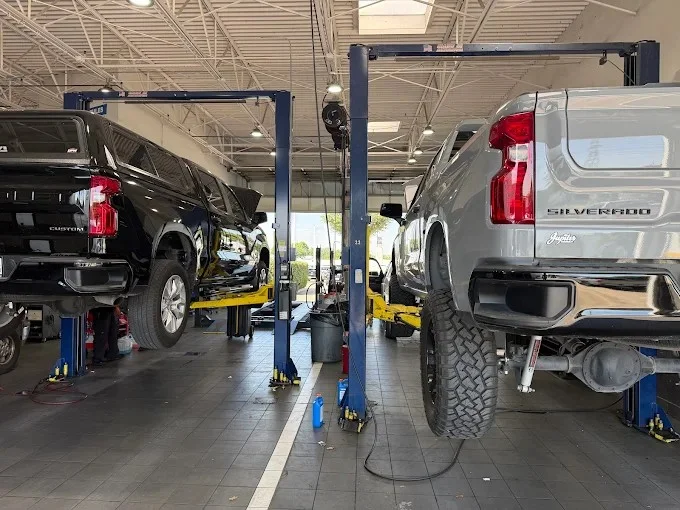
Inside the Garland facility, technicians use frame-straightening systems and computerized paint-matching technology, along with diagnostic tools that catch even minor misalignments that could affect handling or safety features. Technology doesn't replace skilled hands, though, experienced technicians perform final verifications to achieve results that match the original factory finish.
This combination matters most on challenging repairs, whether it's hail damage common in North Texas spring storms or a significant rear-end impact along Central Expressway. The goal is restoring the vehicle to its pre-accident condition, not just making the visible damage disappear.
What to Expect on Timeline and Communication
Many drivers assume a dealership body shop takes longer than an independent shop. Jupiter Chevrolet works to counter that with honest timelines and efficient workflows built around busy North Texas schedules, most moderate repairs finish within a week, supported by in-house parts inventory. Regular updates by text or phone during the repair period are part of the process, so you're not left guessing about status.
Recalibrating Safety Systems After a Collision
Nearly every new Chevrolet includes advanced driver assistance systems designed to enhance safety. These systems require professional recalibration following a collision, even a minor one, because displaced sensors can compromise performance. Shops without manufacturer-specific tools or training can leave warning lights active or systems unreliable after a repair.
Jupiter Chevrolet performs ADAS recalibrations in-house according to GM specifications. Drivers from Plano to Mesquite often notice a real difference in driving confidence afterward, knowing every camera and sensor is functioning the way it was engineered to.
One Place for Repair, Service, and Parts
Choosing Jupiter Chevrolet for collision repair extends beyond the immediate fix. The collision center integrates with the dealership's service and parts operations, so any follow-up maintenance stays in one place instead of requiring a separate trip elsewhere. After an unexpected accident, having repair, service, and parts under one roof in Garland simplifies what's otherwise a stressful process.
Practical Scenarios for North Texas Drivers
Local driving conditions create familiar repair scenarios: a minor bumper scrape in Frisco traffic, widespread hail impacts in Rockwall-Heath, or a more serious collision on highways linking McKinney and Forney. In each case, the goal is restoring safety, appearance, and performance so owners can get back on the road with confidence.
Need Collision Repair?
Get an estimate from Jupiter Chevrolet's collision center in Garland.
Frequently Asked Questions
What makes Jupiter Chevrolet's collision repair process different from independent body shops?
Jupiter Chevrolet's collision center is a member of the GM Collision Repair Network, using GM-trained technicians, genuine OEM parts, and manufacturer-approved repair techniques. The team handles insurance coordination, performs in-house ADAS recalibration, and keeps repair, service, and parts under one roof in Garland.
Why are genuine Chevrolet OEM parts important for collision repair?
Modern Chevrolets use high-strength materials and complex safety systems that require precisely engineered components to maintain their original crash performance. Aftermarket parts can underperform in durability and crash testing, while genuine GM parts help preserve proper fit, resale value, and remaining factory warranty coverage.
Do I need to recalibrate my Chevrolet's safety systems after a collision?
Yes. Even a minor collision can displace sensors tied to advanced driver assistance systems like adaptive cruise control and lane-keeping assistance, leaving them unreliable or triggering warning lights. Jupiter Chevrolet's technicians perform ADAS recalibrations in-house using GM-specific tools and specifications.
Disclaimer: This content is provided for general informational purposes and does not constitute professional advice. Repair timelines and parts availability vary by vehicle and damage; see a Jupiter Chevrolet collision advisor for specifics.
About the Author
Zach Preddy is the Collision Center Manager at Jupiter Chevrolet in Garland, Texas. Zach oversees the repair process that keeps North Texas drivers' vehicles safe and factory-standard after an accident.
Sources & Further Reading
- Jupiter Chevrolet Collision & Body Shop
- GM Launches Digital Service Booking for Chevrolet Owners in Garland
Published: April 28, 2026 | Last updated: August 17, 2026