



Blog / Auto News

Chevrolet Service Center Innovations Across the DFW Metroplex

DFW Chevrolet Service: Cutting-Edge Auto Care Solutions

Quick Listen:

Podcast

Picture this: You're navigating the relentless crawl of I-35E through Dallas at dusk, your Chevrolet Silverado's dashboard suddenly glowing with an insistent warning light. Instead of dread settling in, your phone buzzes a notification from the service center in nearby Garland, already pinpointing the culprit via remote diagnostics and quoting a fix time under an hour. This isn't a distant dream; it's the emerging reality for Chevrolet owners across the DFW Metroplex, where innovation in service centers is quietly upending the old rules of vehicle care. From the bustling repair bays of Mesquite to the precision tech hubs of Plano, these advancements are not just mending parts they're redefining reliability, loyalty, and the very essence of what it means to own a Chevy in one of America's fastest-growing regions.

Feeling stuck in the stressful car-buying process? At Jupiter Chevrolet in Garland, TX, we've reimagined how buying a car should feel. With transparent pricing, online deal-building tools, and the benefits of our Jupiter Advantage program, we ensure every step is straightforward and satisfying. Skip the hassle. From purchase, to certified service and parts, to collision repair and body shop. Our team puts your convenience, safety, and confidence first. Turn your dreams of finding your ideal Chevrolet into reality with us. Visit Jupiter Chevrolet today!

How Service-Centre Innovation is Transforming Chevrolet Ownership Across the DFW Metroplex

From Dallas to McKinney, advanced diagnostics, digital integrations, and faster turnaround times are redefining the service experience for Chevrolet drivers in the region.

The rhythm of automotive life follows a predictable beat: Acquire the rugged truck for weekend escapes, the versatile SUV for family hauls, and then sustain it through meticulous upkeep to ensure those adventures endure. Nowhere is this cadence more amplified than in the Dallas-Fort Worth Metroplex, a dynamic expanse encompassing Garland, Dallas, Richardson, Plano, Rockwall-Heath, Forney, Mesquite, McKinney, and Grapevine. Here, with a population that surged to approximately 8 million by 2019 and continues its upward trajectory, the influx of vehicles on the road translates directly into heightened demands for maintenance, repairs, and parts. Yet, in an era where consumers wield apps for everything from grocery runs to global travel, Chevrolet service centers affiliated with trusted local networks are at the forefront, fusing state-of-the-art technology with time-honored dependability to meet these challenges head-on.

For industry professionals whether steering new vehicle sales, curating used inventories, managing collision repairs, or optimizing parts and service operations these shifts carry profound implications. Service has evolved from a mere afterthought into the linchpin of enduring customer relationships. A faltering navigation system or protracted wait for a routine alignment can erode the goodwill from even the most seamless Tahoe handover, faster than a snarl on the North Dallas Tollway. Consider the broader market dynamics: The U.S. automotive aftermarket reached an estimated $205.81 billion in 2022, with projections for a steady 4.1% compound annual growth rate through 2030. This expansion is propelled by the escalating imperative for prompt vehicle maintenance and component replacements, further intensified by rigorous emission standards and regulatory mandates from bodies like the U.S. Environmental Protection Agency. These frameworks not only enforce superior quality and safety in automotive parts but also spur innovations that enhance repair transparency through digital means, allowing owners to monitor costs and processes in real time.

In this high-stakes environment, where family-owned operations with over a century of service like those offering a lifetime powertrain warranty must compete against expansive corporate entities, embracing innovation becomes imperative. It's a strategic pivot that addresses common hesitations around inventory scale or pricing competitiveness, transforming potential drawbacks into demonstrations of agile, customer-centric excellence.

Emerging Trends & Recent Developments in the DFW Service Landscape

Venture across North Texas, and the air crackles with forward momentum. The DFW region has transcended mere expansion to emerge as a proving ground for interconnected automotive ecosystems. At the core of this transformation lies digital diagnostics, where service experts are supplanting traditional trial-and-error methods with real-time data feeds from a vehicle's embedded sensors. Over-the-air software updates, telematics notifications dispatched directly to owner's devices, and anticipatory algorithms that detect impending failures such as a weakening battery in a Forney-bound Equinox have become indispensable. This evolution aligns seamlessly with regional initiatives, including funding from the North Central Texas Council of Governments for autonomous vehicle infrastructure, extending even to progressive locales like McKinney.

Such technological surges demand swift adaptation from service providers. In Plano, nestled adjacent to Richardson's innovation corridor, DENSO Corporation recently inaugurated a $1.3 million research and development facility focused on connected vehicle solutions a beacon underscoring the urgency for Chevrolet centers to equip their teams with cutting-edge diagnostic tools capable of unraveling complexities in hybrid Equinox models or the burgeoning Silverado EV lineup. The rewards are tangible: Expedited resolutions, diminished callback rates, and cultivated loyalty that encourages upsells on performance enhancements. On a national scale, the U.S. automotive software sector generated $7,843.7 million in revenue during 2024, on track to double to $15,918.8 million by 2030, fueled by a robust 12.9% CAGR from 2025 onward. Advanced driver-assistance systems (ADAS) and safety applications dominated earnings in 2024, while autonomous driving segments promise the swiftest acceleration, encompassing innovations in infotainment, navigation, engine management, smart diagnostics, predictive maintenance, voice interfaces, connectivity, and beyond.

Beyond tech, the sheer volume of demand is reshaping the terrain. Rockwall County, encompassing the serene enclave of Heath, witnessed a staggering 33.9% population increase between 2010 and 2019, cascading into elevated vehicle densities along thoroughfares connecting to Dallas and Mesquite. Texas holds a prominent position among the top ten states for vehicle registrations, underpinning a thriving service economy. The U.S. automotive service market, valued at $199.38 billion in 2025, is forecasted to ascend to $266.56 billion by 2030, achieving this through a 5.98% CAGR amid low market concentration and diverse player dynamics. For Chevrolet enthusiasts traversing from Grapevine to McKinney, this growth heralds expanded avenues for warranty fulfillment, routine servicing, and accessory integrations, particularly as newer models integrate sophisticated ADAS features requiring specialized attention.

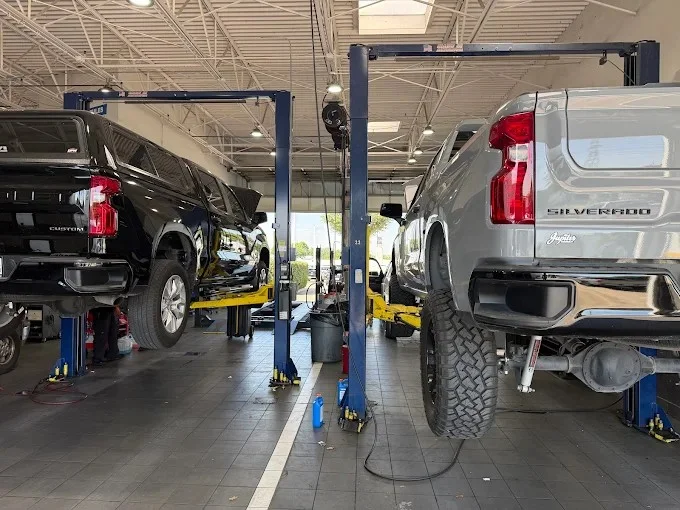
Workflows and parts management are undergoing equally rigorous refinement. Amid lingering global supply disruptions, DFW service centers are fortifying alliances with aftermarket vendors to expedite deliveries and minimize downtime. Optimized bay configurations now accommodate intricate calibrations for ADAS-equipped vehicles, while just-in-time inventory practices convert multi-day overhauls into efficient, same-day interventions. In a metroplex defined by extensive commuting daily migrations from Rockwall-Heath to Richardson, for instance this operational prowess is vital, ensuring that high-mileage fleets and personal rides remain operational without undue interruption.

Real-World Applications and Case Studies in the Region

Statistics illuminate paths, but lived examples illuminate them brighter. In Plano, the DENSO facility serves as more than a corporate milestone; it establishes a regional standard that Chevrolet service networks are emulating with fervor. Envision remote assessments enabling a morning drop-off of a Traverse in Richardson, followed by a midday retrieval complete with a digital video summary of interventions emailed to your inbox. Such protocols not only streamline operations but also dismantle barriers erected by prior subpar experiences, fostering advocacy among drivers who once approached service with apprehension.

Extending to Dallas and McKinney, analytical efforts leveraging location-based data are unveiling granular insights into regional driving behaviors. A comprehensive analysis of vehicular routing, drawing from extensive location-service datasets, has delineated congestion peaks and odometer thresholds ripe for preemptive action. Envision a service outlet in Garland proactively notifying Mesquite-based Equinox proprietors of imminent brake degradation, extending a curated package that incorporates complimentary alignments. This forward-leaning strategy cultivates recurring patronage organically, sidestepping overt promotion while amplifying satisfaction.

Owner testimonials resonate most potently in Garland and Dallas, where digital feedback mechanisms guide selections with the precision of satellite navigation. Enthusiasts commend establishments delivering unambiguous cost breakdowns and instantaneous progress notifications, supplanting antiquated opacity with verifiable candor. Amid the intense vehicular cadence of North Texas endless loops from Rockwall-Heath to Richardson these refinements forge unbreakable trust, mitigating concerns over limited stock variety or marginally elevated costs relative to mega-dealers. Innovation, it turns out, thrives not on sheer volume but on astute, empathetic execution.

Key Challenges, Limitations & Risks for Service-Centre Innovation

Progress seldom unfolds without friction. The DFW's voracious appetite for skilled labor renders recruitment of specialists in electric vehicle powertrains or intricate sensor suites akin to securing prime real estate at Frisco's The Star exceedingly arduous. Richardson's burgeoning tech ecosystem siphons talent toward software realms, often leaving Chevrolet bays understaffed for the diagnostics integral to contemporary models. Compounding this are fiscal barriers: Substantial outlays for prognostic software or networked apparatuses necessitate rapid returns, lest they burden already constrained facilities.

Logistical chokepoints persist, as international delays cascade into localized shortages in Forney's depots. Capacity constraints loom large in burgeoning suburbs like McKinney, where burgeoning clientele overwhelms slots during peak maintenance seasons, straining tempers amid oil-filter frenzies. Modern patrons, habituated to instantaneous digital gratification, defect swiftly to rivals if virtual interfaces falter be it erratic reservation portals or lapses in status transparency, propelling them toward the adjacent exit on Highway 75.

Nevertheless, these obstacles accentuate competitive moats. Outlets rooted in generational stewardship, such as those upholding a century of operations and lifetime powertrain safeguards, alchemize adversities into affirmations of resilience. Such assurances transcend mere policy, instilling poise that neutralizes anxieties over unforeseen expenditures in a price-conscious arena.

Opportunities, Efficiencies & Business Impacts

Inverting the lens reveals a vista of potential. Prognostic upkeep, informed by Metroplex mobility analytics, empowers Grapevine facilities to anticipate influxes and orchestrate bookings with surgical accuracy, potentially elevating operational capacity by upwards of 20%. Virtual augmentations like streamed video appraisals dispatched electronically or seamless Chevrolet app reservations elevate delight metrics, magnetizing pre-owned seekers drawn to meticulously documented certified vehicles.

Integrated offerings yield dividends: Conjoining a Colorado's rotor replacement with rugged floor liners subtly elevates parts revenue while cementing allegiance. Spanning the consortium from Mesquite's arterial veins to Plano's refined avenues unified digital interfaces equilibrate workloads, averting idle resources amid overflows elsewhere. Logistical adjacency to warehousing nodes facilitates sub-24-hour component arrivals, a critical asset in this transit-intensive domain.

The cascading effects are transformative: Bolstered profitability, tenacious clientele, and service excellence that propels fresh acquisitions. As the U.S. light-vehicle aftermarket gears toward $435 billion in 2025 per the latest joint forecast from the Auto Care Association, MEMA Aftermarket Suppliers, and S&P Global Market Intelligence, spanning through 2028 DFW Chevrolet enclaves harnessing these currents transcend mere endurance, propelling toward dominance through a harmonious blend of ingenuity and heritage-rooted warmth.

Moreover, digital retailing innovations are streamlining the continuum from inquiry to upkeep. Drawing from insights like those in the 2018 Cox Automotive Car Buyer Journey Study, where only 46% of buyers expressed satisfaction with dealership timelines, contemporary tools now compress these intervals via fortified website integrations. These platforms furnish streamlined, secure pathways from virtual exploration to physical handover, correlating heightened engagement with superior lead quality, hastened transactions, and amplified yields a synergy that extends service's reach into sales funnels.

A Memorable Conclusion

As twilight envelops the Trinity River's bend, etching silhouettes against Dallas's luminous horizon and seeping into McKinney's tranquil precincts, a singular verity crystallizes: Within the DFW Metroplex, Chevrolet service innovation transcends rhetoric it pulses as the core of proprietorship. From Garland's unyielding workshops to Grapevine's lustrous precincts, these bastions interlace digital prowess with ancestral fidelity, crafting a narrative that summons motorists recurrently, driven by affinity rather than obligation. Amid demographic booms sustaining insatiable need and apparatuses like interconnected diagnostics charting the course, the prudent course crystallizes: Channel resources strategically commencing with intuitive virtual engagements, ascending to foresighted orchestration. For venerable, kin-directed enterprises commemorating a hundred years, wielding lifetime warranties as shields against conglomerate tides, this juncture overflows with vista. In a territory where each kilometer resonates profoundly, the vanguard of innovation forges not mere restorations, but legacies one fluid intervention at a time.

Frequently Asked Questions

What are the latest innovations in Chevrolet service centers in the DFW Metroplex?

Chevrolet service centers in the DFW Metroplex, including Garland, Plano, and Mesquite, are adopting advanced digital diagnostics, over-the-air software updates, and telematics notifications to enhance vehicle maintenance. These technologies allow for real-time issue detection, faster repairs, and transparent communication with owners. For instance, predictive algorithms can identify potential issues like battery wear in a Chevrolet Equinox, ensuring quicker resolutions and improved reliability. This aligns with the region's push for connected vehicle solutions, as seen in Plano's DENSO research facility.

How do Chevrolet service centers in Dallas-Fort Worth improve customer satisfaction?

Chevrolet service centers in the DFW Metroplex prioritize customer satisfaction through transparent pricing, digital feedback mechanisms, and streamlined workflows like same-day repairs. Facilities in Dallas and McKinney use location-based analytics to anticipate maintenance needs, such as brake replacements, and provide clear cost breakdowns. Innovations like video summaries of repairs and app-based reservations enhance trust and convenience. These efforts foster loyalty among Chevrolet owners across areas like Richardson and Grapevine.

Why is vehicle maintenance important in the DFW Metroplex's growing automotive market?

With the DFW Metroplex's population nearing 8 million and a thriving automotive aftermarket valued at $199.38 billion in 2025, vehicle maintenance is critical to meet rising demand and stringent emission standards. Chevrolet service centers address this by using advanced diagnostics and just-in-time inventory to minimize downtime for high-mileage vehicles in areas like Rockwall-Heath and Forney. Regular upkeep ensures compliance with regulations and enhances vehicle longevity. This is especially vital for ADAS-equipped models requiring specialized care.

Disclaimer: The above helpful resources content contains personal opinions and experiences. The information provided is for general knowledge and does not constitute professional advice.

You may also be interested in: Why Transparent Online Deal-Building Is Now a Critical Expectation for Car Buyers

Feeling stuck in the stressful car-buying process? At Jupiter Chevrolet in Garland, TX, we've reimagined how buying a car should feel. With transparent pricing, online deal-building tools, and the benefits of our Jupiter Advantage program, we ensure every step is straightforward and satisfying. Skip the hassle. From purchase, to certified service and parts, to collision repair and body shop. Our team puts your convenience, safety, and confidence first. Turn your dreams of finding your ideal Chevrolet into reality with us. Visit Jupiter Chevrolet today!

Powered by flareAI.co
Posted in:

Related Posts

What to Expect During the Car Buying Process at Jupiter Chevrolet

TL;DR Buying a vehicle at Jupiter Chevrolet generally involves five steps: finding the right vehicle, reviewing pricing and financing options, understanding any dealer-installed add-ons, reviewing the ownership benefits included with qualifying purchases, and completing a delivery walkthrough before you leave. The goal is to make the vehicle, numbers, and included protections clear before you finalize the purchase. Buying a vehicle is easier when you know what the process will look like before you arrive. At Jupiter Chevrolet, that means understanding how vehicle selection, trade-in value, financing, dealer-installed accessories, included ownership benefits, and delivery fit together before the purchase is complete. This guide walks through each stage so you know what questions to ask and what to expect along the way. Step One: Finding the Right Vehicle Finding the right vehicle starts with more than choosing a model. Trim, drivetrain, color, packages, towing equipment, and other options can all affect which vehicles are currently available. If the exact Equinox, Silverado, Tahoe, or other Chevrolet you're looking for is in stock, the Jupiter Chevrolet team can walk you through that vehicle and its specific equipment. If it isn't, the next step is looking at available inventory and discussing what other options may be available based on the features that matter most to you. For example, two Silverado 1500s can differ significantly based on cab configuration, bed length, engine, drivetrain, trim, and towing equipment. An Equinox can vary by trim, drivetrain, packages, and other features. Knowing which features are priorities and which ones you're flexible on can make the search much easier. Jupiter Chevrolet regularly reviews inventory based on what customers in Garland and the greater Dallas area are shopping for. If you have a specific configuration in mind, ask whether it's currently available, whether a comparable vehicle is in inventory, or what other options the team can explore. Step Two: Understanding Your Trade-In and Financing Options Once you've narrowed down the vehicle you're interested in, the next step is understanding how the purchase may come together financially. If you have a vehicle to trade, having it appraised can help establish your equity position. Your trade-in value and current loan payoff determine whether you have positive equity that may be applied toward the purchase or negative equity that needs to be accounted for in the transaction. Financing is another part of the equation. The rate and terms you qualify for can depend on your credit profile, loan term, amount financed, down payment, lender requirements, and any Chevrolet incentives available at the time. Rather than focusing only on the monthly payment, compare the amount financed, loan term, interest cost, and overall cost of the available options. At Jupiter Chevrolet, the team can walk you through how your trade-in, down payment, financing terms, applicable incentives, and any additional products or options affect the purchase before you sign the final paperwork. If an optional product or protection changes the amount financed or monthly payment, ask to see that cost separately and how it affects the overall transaction. You can also begin the process before visiting the dealership by completing Jupiter Chevrolet's online credit application or starting a trade-in valuation. Step Three: Understanding Add-Ons and Vehicle Pricing The price of a vehicle can include more than the vehicle itself, particularly when accessories or other products have already been installed. Before finalizing your purchase, it's important to understand what's included on the specific vehicle you're considering and whether any additional items affect the price. Some vehicles at Jupiter Chevrolet may have accessories or protection products already installed, such as window tint or a spray-in bed liner. Because equipment can vary from one vehicle to another, ask your sales advisor to review what's included on the specific vehicle you're considering and the cost of any dealer-installed items. If you're comparing vehicles online, don't assume two vehicles with the same trim automatically have the same equipment or final pricing. Factory options, dealer-installed accessories, and other vehicle-specific items can create differences between otherwise similar vehicles. Before you move forward, review the vehicle price and any additional products or accessories so you understand what you're purchasing and what each item costs. If something isn't clear, ask to have it explained separately before you sign. Step Four: Understanding What Comes With Your Purchase Buying a vehicle from Jupiter Chevrolet may also include ownership benefits beyond the vehicle itself. Before you complete the purchase, ask your sales advisor to review which Jupiter Chevrolet programs apply to your vehicle, what's included at no additional cost, and any eligibility or maintenance requirements that come with the coverage. Qualifying vehicles may include benefits through the Jupiter Advantage, including powertrain warranty coverage. Because eligibility and program terms can vary, review the current coverage details for the specific vehicle you're purchasing rather than assuming every vehicle or purchase receives the same benefits. Jupiter Chevrolet may also offer additional ownership protections or reimbursement programs with qualifying purchases. Your advisor can explain which programs apply, how long the benefits remain in effect, what they cover, and whether there are any requirements you need to follow after purchase. Keep the documentation you receive at delivery. Warranty and protection programs can have specific terms, exclusions, maintenance requirements, and claims procedures, and those written terms should be your reference if you ever need to use the coverage. Step Five: Review Your Vehicle Before You Leave The buying process doesn't end when the paperwork is signed. Before you leave Jupiter Chevrolet, take time to review the vehicle itself, the features you'll use, and the documents and ownership benefits that come with your purchase. Your delivery walkthrough is an opportunity to ask questions about the vehicle's technology, driver-assistance features, infotainment system, and other equipment you may not be familiar with. Features vary by model and trim, so this is also a good time to make sure you understand what's included on your specific vehicle and how to use it. You should also leave with a clear understanding of the next steps after purchase. Review the maintenance schedule, warranty information, applicable Jupiter Chevrolet ownership benefits, and any protection products or additional coverage included in your transaction. Before you drive away, make sure you have the documents, keys, and other items that belong with the vehicle, and ask any remaining questions while the sales team is there to walk through them with you. Ready to Start Your Vehicle Search? Browse Jupiter Chevrolet's current new and pre-owned inventory, or contact the team if you have questions about a specific vehicle, trade-in, financing options, or what to expect during the buying process. Frequently Asked Questions How long does the car buying process take at Jupiter Chevrolet? The amount of time can vary depending on the vehicle, whether you have a trade-in, your financing arrangements, and any documentation needed to complete the purchase. Starting your trade-in valuation or credit application before your visit can help get parts of the process underway ahead of time. Can I start the car buying process online? Yes. You can browse Jupiter Chevrolet's current inventory online and begin parts of the purchase process before visiting the dealership, including submitting a credit application and starting a trade-in valuation. The steps required to complete the purchase will depend on your specific transaction. What if the exact Chevrolet I want isn't in stock? Availability depends on current inventory and the specific model, trim, equipment, and configuration you're looking for. If the exact vehicle isn't currently available, ask Jupiter Chevrolet about available inventory and other options for finding a vehicle that fits what you're looking for. Can I trade in a vehicle I still owe money on? Yes. Your vehicle can still be appraised if you have an outstanding loan. The difference between its appraised value and your current loan payoff determines whether you have positive or negative equity, which can then be accounted for as part of the purchase and financing process. Will I know about accessories or additional products before I sign? Ask your sales advisor to review the vehicle price, dealer-installed accessories, optional products, and any other charges that are part of your transaction before you sign. This gives you an opportunity to understand what is included and ask questions about individual items or costs. What ownership benefits come with a vehicle from Jupiter Chevrolet? Jupiter Chevrolet offers ownership benefits through programs such as the Jupiter Advantage on qualifying vehicles. Coverage, eligibility, and program terms can vary, so review the current benefits for the specific vehicle you're purchasing and the written program terms provided with your purchase. About the Author Eric Fussell is the General Manager of Jupiter Chevrolet in Garland, TX. He oversees dealership operations across sales, service, and the customer experience. Methodology This post reflects Jupiter Chevrolet's experience helping customers through the vehicle-buying process in Garland and the greater Dallas area, including vehicle selection, trade-ins, financing, dealer-installed accessories, ownership benefits, and vehicle delivery. Program availability, eligibility requirements, financing offers, and ownership benefits can change over time, so current terms should be confirmed at the time of purchase. Sources & Further Reading FTC Announces CARS Rule to Fight Scams in Vehicle Shopping, Federal Trade Commission States Pick Up Stroke Regulating New Car Sales Practices Following FTC Loss on CARS Rule, Nelson Mullins Jupiter Chevrolet's Jupiter Advantage Program Page Process disclaimer: Steps, pricing, financing terms, and ownership benefits can vary by vehicle and transaction. Confirm current details with a Jupiter Chevrolet sales advisor before you purchase. Published: August 21, 2026 | Last updated: August 21, 2026

Equinox Financing in Garland, Texas: Terms, Incentives, and What Qualifies You

TL;DR Your Equinox financing deal depends on more than the advertised monthly payment. Credit profile, loan term, down payment, trade-in equity, and current Chevrolet incentives can all change the total cost of the loan. Promotional APRs and cash incentives also change over time, so the right comparison is the actual total cost of each available option, not whichever number looks best in an ad. The biggest difference between two Equinox financing deals often isn't the sticker price. It's how the loan is structured. A lower monthly payment doesn't necessarily mean a lower-cost loan, and an advertised incentive isn't automatically the best option for every buyer. Understanding how the pieces work together makes it easier to compare your options before choosing a financing plan. Current Chevrolet Equinox incentives change frequently. Check Chevrolet's current offers page or contact Jupiter Chevrolet for the offers available on the exact Equinox you're considering. What Determines Your Equinox Financing Rate Several factors can affect the rate and terms you're offered, but a few are especially important to understand before comparing Equinox financing options. Your credit profile is one of the biggest factors. Lenders consider your credit score and credit history when determining the rate and terms you're offered, although different lenders may use different scoring models and approval criteria. Knowing where your credit generally stands before you shop can help you better understand the financing offers available to you. Loan term changes both the monthly payment and the total cost of financing. A longer term can lower the monthly payment, but it also means making payments for a longer period and can increase the total interest paid. A shorter term generally means a higher monthly payment but lower total borrowing costs. Neither is automatically right or wrong. The important thing is comparing both the payment and total cost before choosing a term. Current Chevrolet incentives can change the equation. Depending on the offer, eligible buyers may have different incentive options to compare, such as a promotional APR or a cash incentive. The option with the lowest advertised number isn't necessarily the one that costs the least overall. The better choice depends on the specific offers available, amount financed, loan term, and rate you otherwise qualify for. You don't need to be a finance expert to compare Equinox financing options. The key is looking beyond the monthly payment and comparing the amount financed, term, interest cost, and available incentives together. How to Check Current Equinox Financing Offers Chevrolet Equinox financing offers can change throughout the year and may vary by model year, vehicle, term, or buyer eligibility. Rather than relying on a rate or rebate published in an article that may become outdated, check Chevrolet's current offers page for advertised incentives and ask Jupiter Chevrolet which offers apply to the specific Equinox you're considering. At Jupiter Chevrolet, the finance team walks customers through the financing terms and contract before anything is signed, so you can see how the amount financed, loan term, interest, trade-in, down payment, and applicable incentives affect the deal. If more than one Chevrolet incentive or financing option is available to you, the team can also explain how the options compare using the actual numbers for your vehicle. New Equinox purchases may also include Jupiter Chevrolet ownership benefits, such as its deductible reimbursement program. Ask the team for current program details and eligibility. Special APR vs. a Cash Rebate: Which Is Better on an Equinox? Neither option is automatically the better deal. A special APR can reduce how much interest you pay over the life of the loan, while a cash rebate reduces the vehicle price or amount you need to finance. Which one saves more depends on the specific offers available, the amount financed, your loan term, and the rate you would otherwise qualify for. The best way to compare the two is to look at total cost rather than monthly payment alone. Ask to see the financing both ways using the same vehicle, down payment, trade-in, and loan term. One scenario should show the promotional APR and the other should show the cash incentive with the financing rate you qualify for. Then compare the total amount you would pay under each option. The difference can be significant, which is why it's worth running both scenarios with your actual numbers rather than relying on a general rule of thumb. Your credit profile can affect the financing rate you qualify for, and promotional APR offers may have separate eligibility requirements. Comparing the available options side by side shows you which one costs less. How long you expect to keep the loan can matter too. A cash incentive reduces the purchase price up front, while the value of a promotional APR comes from interest savings over time. If you expect to pay the loan off early, ask how that changes the comparison. Because incentive eligibility can vary by vehicle and buyer, the comparison should always be based on the exact Equinox you're considering and the offers available when you're ready to purchase. At Jupiter Chevrolet, you can ask the finance team to show you the available scenarios side by side before you choose. That makes it easier to see which available option produces the lower total cost for your specific deal. How Your Trade-In Affects Equinox Financing A trade-in changes your Equinox deal in two ways, and only one of them is obvious. The obvious one: positive trade-in equity can be applied toward your Equinox purchase, reducing the amount you need to finance. That can lower your monthly payment, reduce the total amount you borrow, or give you more flexibility when choosing a loan term. Jupiter appraises trade-ins as part of the same visit, so you can see how your trade-in value affects the amount you may need to finance. The less obvious issue is negative equity. If you owe more on your current vehicle than it's worth, the difference may be included in the amount financed on your next vehicle, subject to lender approval. That means you're financing both the Equinox and the remaining balance from your previous vehicle, which increases the total amount you're borrowing. Before you agree to the financing, ask to see your trade-in value, current loan payoff, and any positive or negative equity separately. That makes it easier to understand exactly how your trade is affecting the amount you're financing on the Equinox. Can You Finance an Equinox With Less-Than-Perfect Credit? Less-than-perfect credit doesn't automatically mean you can't finance a Chevrolet Equinox. Approval, interest rate, and loan terms depend on several factors, which can include your credit history, income, amount financed, down payment, existing debt, and the lender reviewing the application. If your credit profile doesn't qualify for a promotional Chevrolet financing offer, you may still have other financing options available. The important comparison is not just whether you can reach a certain monthly payment, but how the interest rate, loan term, and amount financed affect the total cost of the loan. A down payment can reduce the amount you need to finance and may also affect the financing options available to you. If you're considering putting more money down, ask the finance team to show you how different down-payment amounts change the loan rather than assuming more money down will automatically produce a particular rate. A co-buyer or cosigner may also affect the financing options available, depending on the lender and both applicants' credit profiles. If that's an option you're considering, ask to compare the financing scenarios so you can see the difference before making a decision. At Jupiter Chevrolet, the finance team can review the options available based on your actual application and explain the rate, term, amount financed, and total cost before you decide how to proceed. How to Start the Equinox Financing Process Before You Visit You don't have to wait until you're at the dealership to start thinking through your Equinox financing. A few steps beforehand can give you better information to work with when you compare your options. Start the credit application online. Jupiter Chevrolet's online retail credit application lets you provide the information needed to begin reviewing financing options before you visit the dealership. Get an idea of your trade-in value. An online estimate can give you a starting point before you visit, while your actual trade value will be determined after the vehicle is appraised. Think about both term and monthly payment. A lower monthly payment can come from extending the loan over more months, so compare the term, monthly payment, and total cost together rather than focusing on payment alone. Ask which current incentives apply to your Equinox. Chevrolet offers can have different eligibility requirements, so ask which financing or cash incentives apply to the specific vehicle you're considering and whether any can be combined. Compare the complete financing options. Once you know the vehicle, trade-in value, available incentives, and financing terms you qualify for, compare the scenarios based on the amount financed, loan term, monthly payment, and total cost. Starting the process before your visit gives you more information to work with when it's time to compare the financing options available on your Equinox. Ready to Compare Equinox Financing Options? Jupiter Chevrolet can help you compare available financing options, current Chevrolet incentives, trade-in equity, and loan terms based on the Equinox you're considering. Start the credit application online or contact our finance team to review your options before you visit. Frequently Asked Questions What credit score do I need for the best Equinox financing rate? There isn't one credit score that guarantees the best Equinox financing rate. Lenders use their own approval criteria, and your credit history, amount financed, loan term, down payment, and other factors can affect the rate and terms you qualify for. Chevrolet promotional financing offers may also have separate eligibility requirements. Is a special APR always better than a cash incentive on an Equinox? No. A promotional APR can reduce interest costs, while a cash incentive can reduce the purchase price or amount financed. Which option costs less depends on the offers available, amount financed, loan term, and financing rate you otherwise qualify for. Ask to see the available options side by side and compare the total cost of each. Can I combine a manufacturer rebate with a special APR offer on the same Equinox? It depends on the specific Chevrolet offers available at the time you purchase. Some incentives may be combined while others may require you to choose between offers. Ask Jupiter Chevrolet which current incentives apply to the Equinox you're considering and whether they can be combined. How long does Equinox financing approval take at Jupiter Chevrolet? Approval time varies depending on the lender, application, and whether additional information or documentation is needed. Starting Jupiter Chevrolet's online credit application before your visit can begin the financing process ahead of time, but approval timing will depend on your individual application. Does my trade-in affect my Equinox financing rate? A trade-in can affect the amount you need to finance. Positive equity can reduce the amount borrowed, while negative equity may increase it if the remaining balance is included in the new loan. Your financing rate and terms are determined separately based on the lender's approval criteria and the overall financing structure. Can I finance an Equinox with less-than-perfect credit? Potentially. Financing approval isn't based on one credit score alone. Lenders may consider your credit history, income, amount financed, down payment, existing debt, and other factors when reviewing an application. If you don't qualify for a Chevrolet promotional financing offer, other financing options may still be available. About the Author Eric Fussell is the General Manager of Jupiter Chevrolet in Garland, TX. He oversees dealership operations across sales, service, and the customer experience. Methodology This post reflects Jupiter Chevrolet's experience helping Equinox buyers understand financing options in the Garland and greater Dallas market, along with general consumer auto-financing guidance from the Consumer Financial Protection Bureau. Chevrolet incentives, financing offers, eligibility requirements, and Jupiter Chevrolet ownership programs can change over time. Current offers and program terms should be confirmed at the time of purchase. Sources & Further Reading Chevrolet Current Offers / Equinox Offers Jupiter Chevrolet Retail Credit Application Jupiter Chevrolet New Chevrolet Inventory Consumer Financial Protection Bureau, Auto Loans Financing disclaimer: Rates, terms, incentives, and eligibility requirements are subject to change and vary by lender, credit profile, and vehicle. Contact Jupiter Chevrolet's finance team to confirm current offers and your specific terms. Published: August 19, 2026 | Last updated: August 19, 2026

What's My Trade Worth in Garland, Texas? How Trade-In Value Is Determined

TL;DR Your vehicle's trade-in value depends on factors including mileage, condition, equipment, vehicle history, and current market demand. What you still owe doesn't change what the vehicle itself is worth, but it does determine whether you have positive or negative equity to apply toward your next purchase. A current appraisal gives you a much better picture than relying on an older online estimate. Knowing what your current vehicle is worth can make every part of your next purchase easier to understand. A trade-in value gives you a starting point, but your vehicle's actual equity depends on both its appraised value and how much you still owe. Online valuation tools can be useful for getting a general estimate, but an actual trade appraisal can account for the specific vehicle, its condition, equipment, history, and current market demand. Here's what affects the number and how to understand what it means for your next move. What Determines What Your Trade Is Worth Several factors can affect a vehicle's trade-in value, and understanding them can help you make sense of why an appraisal may differ from an online estimate. Mileage is one factor, but the odometer doesn't tell the whole story. Mileage is considered alongside the vehicle's age, condition, maintenance history, and other factors that can affect its resale value. Condition and vehicle history matter because an appraisal is based on the specific vehicle, not simply its year, make, and model. Mechanical condition, tire wear, exterior and interior condition, accident history, and maintenance history can all affect what a dealer is willing to pay. Trim, equipment, and configuration can also change the value. Two vehicles from the same model year with similar mileage may have different equipment, packages, drivetrains, or other features that affect their desirability and resale value. Current market demand affects what a vehicle is worth at a particular point in time. Used-vehicle values can move as inventory and buyer demand change, and demand for a specific model or configuration can vary by market. That's one reason an appraisal today may differ from an estimate you received several months ago. Once the vehicle has been appraised, your loan payoff determines your equity position, not the vehicle's value. If your vehicle is worth more than you owe, you have positive equity that may be applied toward another purchase. If you owe more than the vehicle is worth, you have negative equity that will need to be accounted for separately. Why Two Similar Trade-Ins Can Get Different Offers Two vehicles from the same model year with similar mileage can still receive different trade-in offers. The difference often comes down to details that aren't obvious from the year, make, model, and odometer alone. Trim level and equipment matter. Features, packages, drivetrain, towing equipment, and other options can affect how desirable a particular vehicle is in the used market. A higher trim doesn't automatically guarantee a higher trade-in value, but the specific configuration can influence demand. Condition and vehicle history can separate two otherwise similar vehicles. Tire and brake condition, exterior or interior damage, maintenance history, prior accidents, and other factors can affect an appraisal and what may be required to prepare the vehicle for resale. Current market demand matters too. Dealers consider how a particular model and configuration is performing in the used market when determining what they're willing to pay for it. Demand can change over time and can vary between vehicle segments and markets. Used-vehicle values also move over time. Cox Automotive's Manheim Used Vehicle Value Index tracks changes in wholesale used-vehicle pricing, and different vehicle segments don't always move in the same direction or at the same rate. That's one reason an appraisal performed today may differ from one you received several months ago, even if very little has changed about the vehicle itself. The most useful comparison isn't necessarily what another vehicle that looks similar received as a trade. It's what your specific vehicle is worth based on its condition, equipment, history, and the current market when it's appraised. How Jupiter Chevrolet Uses AutoHub to Appraise Your Trade An online trade-in estimate can give you a useful starting point, but an appraisal is designed to evaluate your specific vehicle and its current value. Jupiter Chevrolet uses AutoHub as part of its trade-in appraisal process. The appraisal considers information about the individual vehicle along with current market conditions to help determine its trade value. Depending on how the appraisal is started, additional information or an in-person inspection may be needed before the final trade value is confirmed. If you're already at Jupiter Chevrolet for service or shopping for another vehicle, you can also ask about having your current vehicle appraised while you're there. You don't have to wait until you've selected your next vehicle to find out what your current one may be worth. Knowing the trade value before you start comparing purchase and financing options can also help you understand your equity position. Once you know the appraised value and your current loan payoff, you can see whether you have positive equity to apply toward another vehicle or negative equity that would need to be accounted for in the transaction. What a Trade Valuation Means for Your Next Move Once you know what your vehicle is worth, you can make a more informed decision about whether to trade it now, keep it longer, or use its equity toward another vehicle. If your vehicle is worth more than your current loan payoff, you have positive equity. That difference can generally be applied toward the purchase of your next vehicle, reducing the amount you need to finance. If you owe more than the vehicle's appraised value, you have negative equity. That doesn't necessarily prevent you from trading the vehicle, but the remaining balance needs to be accounted for in the transaction and may affect the amount you need to finance, subject to lender approval. A current appraisal can also help even if you're not ready to buy. Knowing both your vehicle's value and your equity position gives you a clearer starting point for deciding whether trading now makes sense or whether you'd rather continue driving your current vehicle. Because used-vehicle values change with market conditions, an appraisal or online estimate from several months ago may not reflect what your vehicle is worth today. If you're actively considering a trade, use a current valuation rather than an older estimate when comparing your options. How to Prepare Your Vehicle for a Trade-In Appraisal You don't need to spend a lot of money preparing a vehicle for appraisal, but a few things can make the process easier and help ensure the appraiser has the information needed to evaluate your trade. Gather your service records. If you have maintenance or repair records that aren't already available through the vehicle's history, bring them with you. A documented maintenance history can provide useful context about how the vehicle has been cared for. Know your current loan payoff. If you still owe money on the vehicle, check with your lender for a current payoff amount. Your payoff doesn't change the vehicle's appraised value, but it is necessary to determine whether you have positive or negative equity. Clean out the vehicle, but don't assume you need to make repairs first. Removing personal belongings and giving the interior a basic cleaning can make the appraisal easier. Before spending money on cosmetic or mechanical repairs specifically to increase the trade value, consider getting the vehicle appraised first. The cost of a repair doesn't necessarily translate dollar-for-dollar into a higher trade-in offer. Bring both sets of keys and any equipment that belongs with the vehicle. If you still have the spare key, removable accessories, or other equipment originally included with the vehicle, have those available for the appraisal. Get the appraisal before building your next purchase around a monthly payment. Knowing your current vehicle's value and equity position gives you a clearer starting point for comparing what you may need to finance on your next vehicle. If you're already visiting Jupiter Chevrolet for service or shopping for another vehicle, you can ask about having your vehicle appraised while you're there. Trading In an Equinox or Silverado in the Garland Market Trade-in values aren't based on the model name alone. The specific configuration of your Equinox, Silverado, or other vehicle can affect its appraisal, along with its condition, mileage, history, and current market demand. For an Equinox, factors such as model year, trim, drivetrain, equipment, mileage, and condition can distinguish one vehicle from another. For a Silverado, the configuration can vary even more, with factors such as trim, cab and bed configuration, drivetrain, engine, towing equipment, mileage, and condition all helping define the specific truck being appraised. Current demand matters as well. The market for a particular model or configuration can change over time, which is why a current appraisal is more useful than assuming your vehicle is worth the same as another Equinox or Silverado listed online. Jupiter Chevrolet sells and services Chevrolet vehicles in Garland and the greater Dallas area, giving its team experience with the Equinox, Silverado, and other Chevrolet models customers regularly bring in for trade. Want to Know What Your Vehicle Is Worth? Get a current trade-in valuation from Jupiter Chevrolet to see what your vehicle may be worth and where you stand on equity before deciding what to do next. Start with Jupiter Chevrolet's Value Your Trade tool, or ask about an appraisal when you visit the dealership. Frequently Asked Questions What's my Chevy Equinox or Silverado worth right now in Garland, TX? Your vehicle's trade-in value depends on its model year, mileage, condition, trim and equipment, vehicle history, and current market demand. An online valuation can provide a useful starting point, but a current appraisal can evaluate the specific vehicle and provide a more up-to-date trade value. What if I still owe money on my trade-in? You can still have a vehicle appraised if you have an outstanding loan. Your loan payoff doesn't change the vehicle's appraised value, but it does determine your equity position. If the vehicle is worth more than your payoff, you have positive equity. If you owe more than the vehicle is worth, you have negative equity, which would need to be accounted for if you decide to trade the vehicle. How is an AutoHub appraisal different from an online estimate? Online valuation tools can provide a useful estimate based on the vehicle information you enter and available market data. Jupiter Chevrolet uses AutoHub as part of its appraisal process to evaluate the specific vehicle and determine its current trade value. Depending on how the appraisal is started, additional vehicle information or an in-person inspection may be needed before the final value is confirmed. Does the color or trim of my trade really change the offer? Trim, equipment, configuration, and other vehicle characteristics can affect trade-in value because they can influence demand for the specific vehicle. Color may also be considered as part of the overall vehicle and market, but it is only one factor among many. Mileage, condition, history, equipment, and current demand all contribute to the appraisal. How often do trade-in values change? Trade-in values can change as used-vehicle inventory, wholesale values, and buyer demand change. There isn't a fixed schedule for those changes, which is why an appraisal or online estimate from several months ago may not reflect your vehicle's current value. If you're actively considering a trade, getting a current valuation gives you a better number to use when comparing your options. About the Author Eric Fussell is the General Manager of Jupiter Chevrolet in Garland, TX. He oversees dealership operations across sales, service, and the customer experience. Methodology This post reflects Jupiter Chevrolet's experience appraising trade-in vehicles in Garland and the greater Dallas market, along with general factors commonly considered in vehicle valuation and publicly available wholesale used-vehicle market data from Cox Automotive's Manheim Used Vehicle Value Index. Individual trade values vary based on the specific vehicle, its condition, equipment, history, and current market conditions. Sources & Further Reading Manheim Used Vehicle Value Index: Mid-June 2026 Trends, Cox Automotive 2026 Chevrolet Equinox Appraisal Value, Edmunds Jupiter Chevrolet's Value Your Trade Tool Jupiter Chevrolet's Steps to Trade-In Your Car Guide Valuation disclaimer: Trade-in appraisals reflect the vehicle's condition, equipment, history, and market conditions at the time of appraisal, and values can change over time. Contact Jupiter Chevrolet for a current trade-in valuation. Published: August 20, 2026 | Last updated: August 20, 2026