




TL;DR
Your vehicle's trade-in value depends on factors including mileage, condition, equipment, vehicle history, and current market demand. What you still owe doesn't change what the vehicle itself is worth, but it does determine whether you have positive or negative equity to apply toward your next purchase. A current appraisal gives you a much better picture than relying on an older online estimate.
Knowing what your current vehicle is worth can make every part of your next purchase easier to understand. A trade-in value gives you a starting point, but your vehicle's actual equity depends on both its appraised value and how much you still owe.
Online valuation tools can be useful for getting a general estimate, but an actual trade appraisal can account for the specific vehicle, its condition, equipment, history, and current market demand. Here's what affects the number and how to understand what it means for your next move.
What Determines What Your Trade Is Worth
Several factors can affect a vehicle's trade-in value, and understanding them can help you make sense of why an appraisal may differ from an online estimate.
Mileage is one factor, but the odometer doesn't tell the whole story. Mileage is considered alongside the vehicle's age, condition, maintenance history, and other factors that can affect its resale value.
Condition and vehicle history matter because an appraisal is based on the specific vehicle, not simply its year, make, and model. Mechanical condition, tire wear, exterior and interior condition, accident history, and maintenance history can all affect what a dealer is willing to pay.
Trim, equipment, and configuration can also change the value. Two vehicles from the same model year with similar mileage may have different equipment, packages, drivetrains, or other features that affect their desirability and resale value.
Current market demand affects what a vehicle is worth at a particular point in time. Used-vehicle values can move as inventory and buyer demand change, and demand for a specific model or configuration can vary by market. That's one reason an appraisal today may differ from an estimate you received several months ago.
Once the vehicle has been appraised, your loan payoff determines your equity position, not the vehicle's value. If your vehicle is worth more than you owe, you have positive equity that may be applied toward another purchase. If you owe more than the vehicle is worth, you have negative equity that will need to be accounted for separately.
Why Two Similar Trade-Ins Can Get Different Offers
Two vehicles from the same model year with similar mileage can still receive different trade-in offers. The difference often comes down to details that aren't obvious from the year, make, model, and odometer alone.
Trim level and equipment matter. Features, packages, drivetrain, towing equipment, and other options can affect how desirable a particular vehicle is in the used market. A higher trim doesn't automatically guarantee a higher trade-in value, but the specific configuration can influence demand.
Condition and vehicle history can separate two otherwise similar vehicles. Tire and brake condition, exterior or interior damage, maintenance history, prior accidents, and other factors can affect an appraisal and what may be required to prepare the vehicle for resale.
Current market demand matters too. Dealers consider how a particular model and configuration is performing in the used market when determining what they're willing to pay for it. Demand can change over time and can vary between vehicle segments and markets.
Used-vehicle values also move over time. Cox Automotive's Manheim Used Vehicle Value Index tracks changes in wholesale used-vehicle pricing, and different vehicle segments don't always move in the same direction or at the same rate. That's one reason an appraisal performed today may differ from one you received several months ago, even if very little has changed about the vehicle itself.
The most useful comparison isn't necessarily what another vehicle that looks similar received as a trade. It's what your specific vehicle is worth based on its condition, equipment, history, and the current market when it's appraised.
How Jupiter Chevrolet Uses AutoHub to Appraise Your Trade
An online trade-in estimate can give you a useful starting point, but an appraisal is designed to evaluate your specific vehicle and its current value.
Jupiter Chevrolet uses AutoHub as part of its trade-in appraisal process. The appraisal considers information about the individual vehicle along with current market conditions to help determine its trade value. Depending on how the appraisal is started, additional information or an in-person inspection may be needed before the final trade value is confirmed.
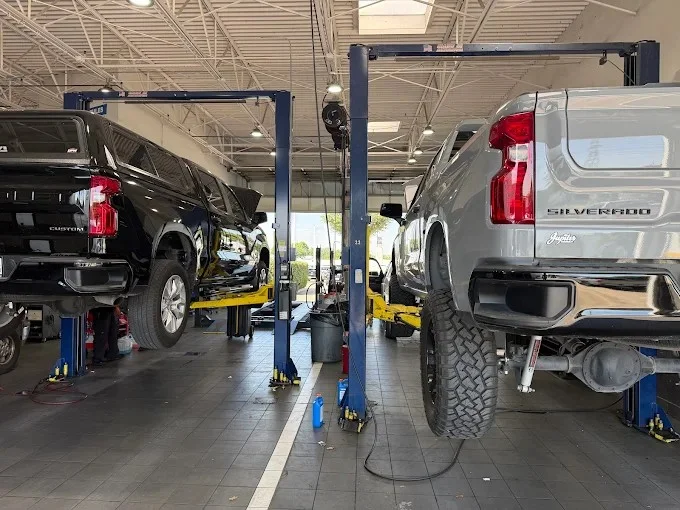
If you're already at Jupiter Chevrolet for service or shopping for another vehicle, you can also ask about having your current vehicle appraised while you're there. You don't have to wait until you've selected your next vehicle to find out what your current one may be worth.
Knowing the trade value before you start comparing purchase and financing options can also help you understand your equity position. Once you know the appraised value and your current loan payoff, you can see whether you have positive equity to apply toward another vehicle or negative equity that would need to be accounted for in the transaction.
What a Trade Valuation Means for Your Next Move
Once you know what your vehicle is worth, you can make a more informed decision about whether to trade it now, keep it longer, or use its equity toward another vehicle.
If your vehicle is worth more than your current loan payoff, you have positive equity. That difference can generally be applied toward the purchase of your next vehicle, reducing the amount you need to finance.
If you owe more than the vehicle's appraised value, you have negative equity. That doesn't necessarily prevent you from trading the vehicle, but the remaining balance needs to be accounted for in the transaction and may affect the amount you need to finance, subject to lender approval.
A current appraisal can also help even if you're not ready to buy. Knowing both your vehicle's value and your equity position gives you a clearer starting point for deciding whether trading now makes sense or whether you'd rather continue driving your current vehicle.
Because used-vehicle values change with market conditions, an appraisal or online estimate from several months ago may not reflect what your vehicle is worth today. If you're actively considering a trade, use a current valuation rather than an older estimate when comparing your options.
How to Prepare Your Vehicle for a Trade-In Appraisal
You don't need to spend a lot of money preparing a vehicle for appraisal, but a few things can make the process easier and help ensure the appraiser has the information needed to evaluate your trade.
- Gather your service records. If you have maintenance or repair records that aren't already available through the vehicle's history, bring them with you. A documented maintenance history can provide useful context about how the vehicle has been cared for.
- Know your current loan payoff. If you still owe money on the vehicle, check with your lender for a current payoff amount. Your payoff doesn't change the vehicle's appraised value, but it is necessary to determine whether you have positive or negative equity.
- Clean out the vehicle, but don't assume you need to make repairs first. Removing personal belongings and giving the interior a basic cleaning can make the appraisal easier. Before spending money on cosmetic or mechanical repairs specifically to increase the trade value, consider getting the vehicle appraised first. The cost of a repair doesn't necessarily translate dollar-for-dollar into a higher trade-in offer.
- Bring both sets of keys and any equipment that belongs with the vehicle. If you still have the spare key, removable accessories, or other equipment originally included with the vehicle, have those available for the appraisal.
- Get the appraisal before building your next purchase around a monthly payment. Knowing your current vehicle's value and equity position gives you a clearer starting point for comparing what you may need to finance on your next vehicle.
If you're already visiting Jupiter Chevrolet for service or shopping for another vehicle, you can ask about having your vehicle appraised while you're there.
Trading In an Equinox or Silverado in the Garland Market
Trade-in values aren't based on the model name alone. The specific configuration of your Equinox, Silverado, or other vehicle can affect its appraisal, along with its condition, mileage, history, and current market demand.
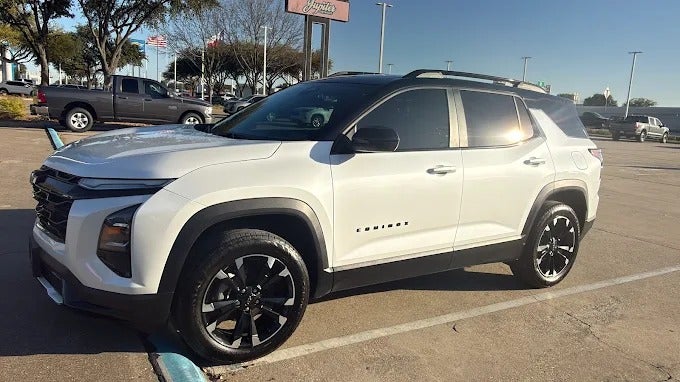
For an Equinox, factors such as model year, trim, drivetrain, equipment, mileage, and condition can distinguish one vehicle from another. For a Silverado, the configuration can vary even more, with factors such as trim, cab and bed configuration, drivetrain, engine, towing equipment, mileage, and condition all helping define the specific truck being appraised.
Current demand matters as well. The market for a particular model or configuration can change over time, which is why a current appraisal is more useful than assuming your vehicle is worth the same as another Equinox or Silverado listed online.
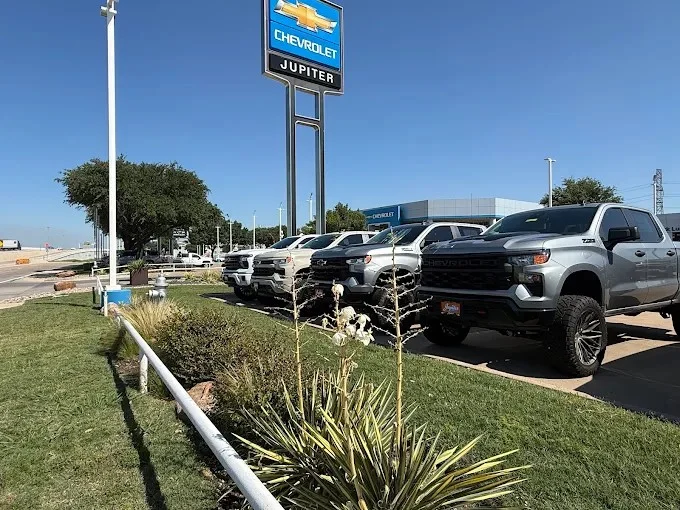
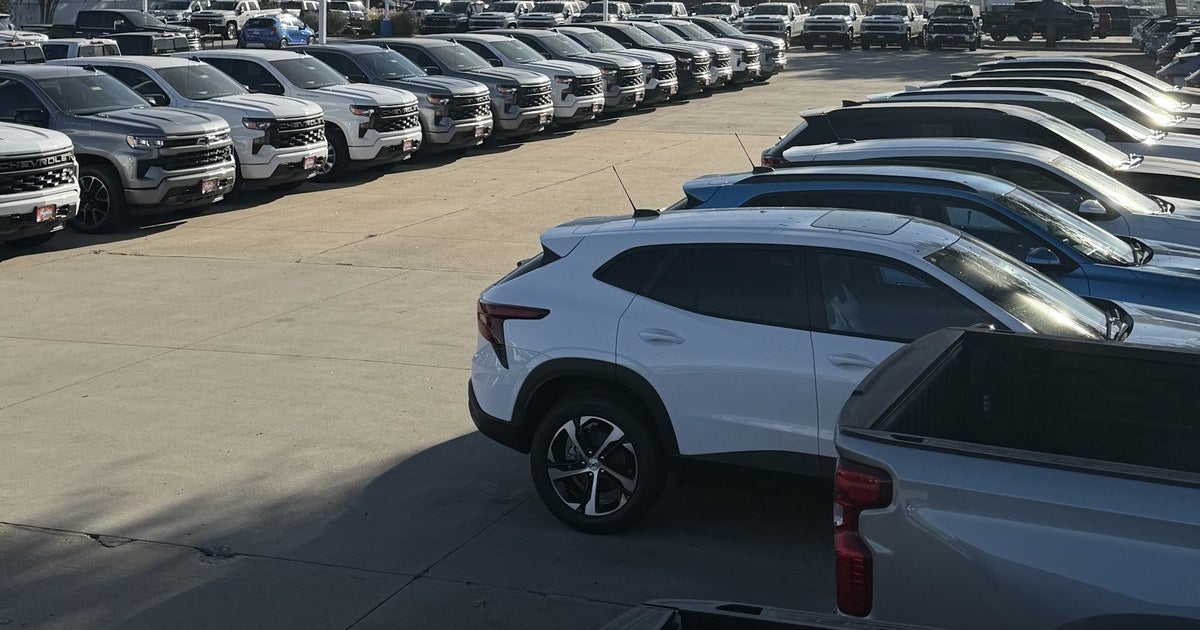
Jupiter Chevrolet sells and services Chevrolet vehicles in Garland and the greater Dallas area, giving its team experience with the Equinox, Silverado, and other Chevrolet models customers regularly bring in for trade.
Want to Know What Your Vehicle Is Worth?
Get a current trade-in valuation from Jupiter Chevrolet to see what your vehicle may be worth and where you stand on equity before deciding what to do next. Start with Jupiter Chevrolet's Value Your Trade tool, or ask about an appraisal when you visit the dealership.
Frequently Asked Questions
What's my Chevy Equinox or Silverado worth right now in Garland, TX?
Your vehicle's trade-in value depends on its model year, mileage, condition, trim and equipment, vehicle history, and current market demand. An online valuation can provide a useful starting point, but a current appraisal can evaluate the specific vehicle and provide a more up-to-date trade value.
What if I still owe money on my trade-in?
You can still have a vehicle appraised if you have an outstanding loan. Your loan payoff doesn't change the vehicle's appraised value, but it does determine your equity position. If the vehicle is worth more than your payoff, you have positive equity. If you owe more than the vehicle is worth, you have negative equity, which would need to be accounted for if you decide to trade the vehicle.
How is an AutoHub appraisal different from an online estimate?
Online valuation tools can provide a useful estimate based on the vehicle information you enter and available market data. Jupiter Chevrolet uses AutoHub as part of its appraisal process to evaluate the specific vehicle and determine its current trade value. Depending on how the appraisal is started, additional vehicle information or an in-person inspection may be needed before the final value is confirmed.
Does the color or trim of my trade really change the offer?
Trim, equipment, configuration, and other vehicle characteristics can affect trade-in value because they can influence demand for the specific vehicle. Color may also be considered as part of the overall vehicle and market, but it is only one factor among many. Mileage, condition, history, equipment, and current demand all contribute to the appraisal.
How often do trade-in values change?
Trade-in values can change as used-vehicle inventory, wholesale values, and buyer demand change. There isn't a fixed schedule for those changes, which is why an appraisal or online estimate from several months ago may not reflect your vehicle's current value. If you're actively considering a trade, getting a current valuation gives you a better number to use when comparing your options.
About the Author
Eric Fussell is the General Manager of Jupiter Chevrolet in Garland, TX. He oversees dealership operations across sales, service, and the customer experience.
Methodology
This post reflects Jupiter Chevrolet's experience appraising trade-in vehicles in Garland and the greater Dallas market, along with general factors commonly considered in vehicle valuation and publicly available wholesale used-vehicle market data from Cox Automotive's Manheim Used Vehicle Value Index. Individual trade values vary based on the specific vehicle, its condition, equipment, history, and current market conditions.
Sources & Further Reading
- Manheim Used Vehicle Value Index: Mid-June 2026 Trends, Cox Automotive
- 2026 Chevrolet Equinox Appraisal Value, Edmunds
- Jupiter Chevrolet's Value Your Trade Tool
- Jupiter Chevrolet's Steps to Trade-In Your Car Guide
Valuation disclaimer: Trade-in appraisals reflect the vehicle's condition, equipment, history, and market conditions at the time of appraisal, and values can change over time. Contact Jupiter Chevrolet for a current trade-in valuation.
Published: August 20, 2026 | Last updated: August 20, 2026