


Blog / Auto News

Service Department Practices That Help Maintain Chevrolet Warranty Coverage

TL;DR: Chevrolet's factory Bumper-to-Bumper (3 years/36,000 miles) and Powertrain (5 years/60,000 miles) warranties stay strong when you follow the recommended maintenance schedule and keep documentation. Jupiter Chevrolet's service department helps you do both, and vehicles purchased at Jupiter also carry the dealership's own Lifetime Powertrain Warranty on top of the factory coverage.

Owning a Chevrolet brings the confidence of driving a vehicle engineered for durability and modern performance. Yet many owners miss a key insight: the most effective way to protect your purchase over the long haul lies in thoughtful routines at the service department. These practices not only maintain peak operation but also help preserve your factory warranty coverage for when it truly matters.

Chevrolet's limited warranties deliver genuine reassurance, covering defects in materials and workmanship. Coverage depends heavily on following manufacturer-recommended maintenance. Authorized service departments deliver expert attention aligned with Chevrolet specifications while maintaining clear documentation that supports your ownership experience.

Understanding Chevrolet Warranty Basics

The standard new vehicle limited warranty from Chevrolet addresses manufacturing defects across the vehicle. Bumper-to-Bumper coverage extends for 3 years or 36,000 miles, whichever comes first. Powertrain protection, which includes major components like the engine, transmission, and drivetrain, typically lasts 5 years or 60,000 miles, with other durations available depending on the vehicle.

General Motors evaluates claims based on the cause of any failure rather than automatically rejecting them due to incomplete records. Still, when issues clearly result from neglected maintenance, coverage may not apply. Consistent, well-documented care therefore remains the smartest approach for every Chevrolet driver.

Follow the Recommended Maintenance Schedule

Your Chevrolet owner's manual outlines a model-specific maintenance schedule designed to keep the vehicle performing at its best. For most models, service intervals fall around every 7,500 miles or once per year, whichever arrives sooner. These visits typically include essential tasks such as oil and filter changes, tire rotations, fluid level checks, and thorough multi-point inspections.

Adhering to this cadence helps catch minor concerns before they escalate into costly repairs. Factory-trained technicians at authorized dealerships rely on advanced diagnostic equipment and genuine parts to ensure every procedure meets exacting standards. When you purchase or lease a new GM vehicle, your first service visit, including an oil change, multi-point inspection, and four-tire rotation, is covered at no charge at participating dealerships within the first year of delivery.

Why Authorized Service Matters for Warranty Protection

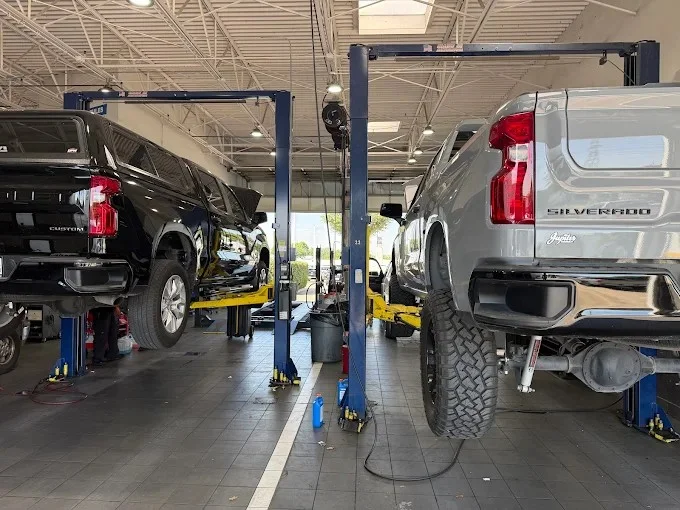
Choosing Jupiter Chevrolet's service department brings distinct benefits. Technicians receive specialized training on the full lineup, from traditional gasoline engines and diesels to electric vehicles like the Bolt EV. They perform repairs using approved procedures and genuine parts that align directly with warranty requirements.

Warranty work needs to be completed by a GM dealer, and the vehicle needs to be diagnosed by a GM dealer before they can determine whether the warranty covers the repair. Keeping that diagnosis and repair history with your authorized dealer streamlines documentation and reimbursement, and dealer diagnoses carry particular authority when evaluating potential defects.

Jupiter Chevrolet's Added Powertrain Protection

Beyond Chevrolet's factory coverage, vehicles purchased at Jupiter Chevrolet are backed by the dealership's own Lifetime Powertrain Warranty, which applies to the vehicle purchase itself. The coverage carries no mileage cap and no expiration date for the original owner, provided the vehicle is maintained on a 5,000-mile service schedule at Jupiter Chevrolet. It's a meaningful layer of protection on top of Chevrolet's standard factory warranty, and it's one more reason consistent, documented service matters over the life of the vehicle.

Keep Detailed Service Records

One of the most valuable habits for Chevrolet owners is building a complete history of all service visits. Save receipts, work orders, and any digital confirmations that confirm timely completion of recommended maintenance.

These records prove especially helpful during a warranty review, clearly separating manufacturing issues from those tied to maintenance gaps. Many dealerships log services directly in the owner's manual and provide detailed copies for your files. When it comes time to sell or trade the vehicle, a well-documented history can enhance resale value and give the next owner added confidence in remaining warranty eligibility.

Common Service Practices That Support Coverage

  • Regular oil changes and filter replacements: Clean oil safeguards internal engine components and reduces the risk of premature wear that might affect warranty considerations.
  • Tire rotations and alignments: Even wear patterns improve handling, safety, and longevity while demonstrating commitment to scheduled care.
  • Fluid checks and top-offs: Maintaining proper levels for transmission, brake, coolant, and for diesels exhaust fluid helps prevent avoidable damage.
  • Multi-point inspections: These detailed evaluations identify small problems early and create a documented trail of proactive attention.
  • Use of genuine Chevrolet or ACDelco parts: Factory-approved components minimize the chance that aftermarket substitutions could complicate related claims.

Knowledgeable service advisors can clarify upcoming needs and explain their role in both vehicle performance and long-term protection. Completing recommended services before warranty periods end often prevents unexpected expenses later.

Avoiding Practices That Risk Warranty Coverage

Certain choices can unintentionally create complications. Skipping scheduled maintenance, installing unapproved fluids or parts, or pursuing major modifications without consulting the dealer may raise questions during a claim. Extreme driving conditions, such as frequent racing or heavy off-road use, or ignoring dashboard warning indicators can also factor into evaluations if failures occur.

Items subject to normal wear, like brake pads, wiper blades, and tires, typically fall outside extended warranty protection after initial coverage. Recognizing these boundaries allows owners to direct their service efforts where they deliver the greatest value.

Stay Ahead of Your Warranty at Jupiter Chevrolet

Schedule your next service visit and keep your Chevrolet's coverage, and Jupiter's Lifetime Powertrain Warranty, fully documented.

Schedule Service

Leveraging Dealer Expertise and Courtesy Services

Today's Chevrolet dealerships go beyond basic repairs. Many locations offer courtesy transportation, loaner vehicles, or shuttle options that ease the inconvenience of longer service appointments. Technicians remain up to date on technical service bulletins and software enhancements that can optimize performance and reliability.

Forward-thinking owners frequently book an inspection near the end of warranty coverage to address any outstanding recommendations. Performing this work while protection remains active helps secure documentation and avoids larger concerns in the future.

Final Thoughts on Protecting Your Chevrolet Investment

Safeguarding your Chevrolet's warranty requires no heroic measures, simply steady, informed decisions at the service department. By following the guidelines in the owner's manual, relying on Jupiter Chevrolet's factory-trained technicians, and preserving accurate records, you can drive with assurance supported by both the manufacturer's commitment and Jupiter's own Lifetime Powertrain Warranty.

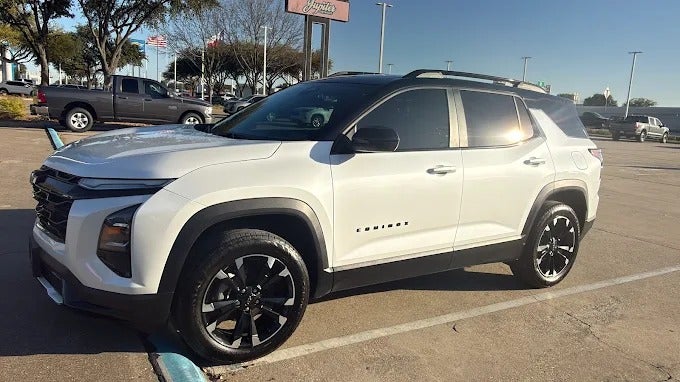
From rugged Silverado pickups and versatile Equinox crossovers to efficient Bolt electric models, the service experience offers a practical pathway to maintain both outstanding performance and valuable coverage. The next time your Chevrolet signals that maintenance is due, consider it more than a routine stop. It represents a meaningful investment in the dependable ownership experience you chose from the beginning.

Frequently Asked Questions

Does taking my Chevrolet somewhere other than an authorized dealer void my warranty?

Not automatically, but warranty work needs to be completed by a GM dealer to be eligible for coverage, and the vehicle must first be diagnosed by a GM dealer before they can determine if a repair is covered. Keeping your maintenance and repair history with an authorized dealer like Jupiter Chevrolet streamlines documentation and reimbursement. Always use genuine Chevrolet or ACDelco parts and keep detailed records of any service performed.

How important are service records for a Chevrolet warranty claim?

Detailed service records are one of the most valuable tools an owner can have when filing a warranty claim, as they clearly demonstrate that recommended maintenance was completed on time. Save all receipts, work orders, and digital confirmations from every service visit. These documents help distinguish manufacturing defects from issues caused by neglected maintenance, and they can also boost resale value by showing the next owner the vehicle was well cared for.

What maintenance does Chevrolet require to keep my warranty valid?

Chevrolet recommends following the model-specific schedule outlined in your owner's manual, which typically calls for service every 7,500 miles or once per year. Key tasks include oil and filter changes, tire rotations, fluid level checks, and multi-point inspections. Skipping these intervals or using unapproved fluids and parts can raise questions during a warranty claim if a related failure occurs. Vehicles covered by Jupiter Chevrolet's Lifetime Powertrain Warranty require service every 5,000 miles at Jupiter to keep that added coverage valid.


About the Author

Eric Fussell is the General Manager of Jupiter Chevrolet in Garland, Texas. With years of experience in Chevrolet sales and service, Eric focuses on helping owners understand exactly what it takes to keep their warranty coverage valid.

Sources & Further Reading

Warranty terms and coverage details can vary by vehicle. Confirm current details with a Jupiter Chevrolet service advisor.

Published: May 9, 2026 | Last updated: July 20, 2026
Posted in:

Related Posts

What to Expect During the Car Buying Process at Jupiter Chevrolet

TL;DR Buying a vehicle at Jupiter Chevrolet generally involves five steps: finding the right vehicle, reviewing pricing and financing options, understanding any dealer-installed add-ons, reviewing the ownership benefits included with qualifying purchases, and completing a delivery walkthrough before you leave. The goal is to make the vehicle, numbers, and included protections clear before you finalize the purchase. Buying a vehicle is easier when you know what the process will look like before you arrive. At Jupiter Chevrolet, that means understanding how vehicle selection, trade-in value, financing, dealer-installed accessories, included ownership benefits, and delivery fit together before the purchase is complete. This guide walks through each stage so you know what questions to ask and what to expect along the way. Step One: Finding the Right Vehicle Finding the right vehicle starts with more than choosing a model. Trim, drivetrain, color, packages, towing equipment, and other options can all affect which vehicles are currently available. If the exact Equinox, Silverado, Tahoe, or other Chevrolet you're looking for is in stock, the Jupiter Chevrolet team can walk you through that vehicle and its specific equipment. If it isn't, the next step is looking at available inventory and discussing what other options may be available based on the features that matter most to you. For example, two Silverado 1500s can differ significantly based on cab configuration, bed length, engine, drivetrain, trim, and towing equipment. An Equinox can vary by trim, drivetrain, packages, and other features. Knowing which features are priorities and which ones you're flexible on can make the search much easier. Jupiter Chevrolet regularly reviews inventory based on what customers in Garland and the greater Dallas area are shopping for. If you have a specific configuration in mind, ask whether it's currently available, whether a comparable vehicle is in inventory, or what other options the team can explore. Step Two: Understanding Your Trade-In and Financing Options Once you've narrowed down the vehicle you're interested in, the next step is understanding how the purchase may come together financially. If you have a vehicle to trade, having it appraised can help establish your equity position. Your trade-in value and current loan payoff determine whether you have positive equity that may be applied toward the purchase or negative equity that needs to be accounted for in the transaction. Financing is another part of the equation. The rate and terms you qualify for can depend on your credit profile, loan term, amount financed, down payment, lender requirements, and any Chevrolet incentives available at the time. Rather than focusing only on the monthly payment, compare the amount financed, loan term, interest cost, and overall cost of the available options. At Jupiter Chevrolet, the team can walk you through how your trade-in, down payment, financing terms, applicable incentives, and any additional products or options affect the purchase before you sign the final paperwork. If an optional product or protection changes the amount financed or monthly payment, ask to see that cost separately and how it affects the overall transaction. You can also begin the process before visiting the dealership by completing Jupiter Chevrolet's online credit application or starting a trade-in valuation. Step Three: Understanding Add-Ons and Vehicle Pricing The price of a vehicle can include more than the vehicle itself, particularly when accessories or other products have already been installed. Before finalizing your purchase, it's important to understand what's included on the specific vehicle you're considering and whether any additional items affect the price. Some vehicles at Jupiter Chevrolet may have accessories or protection products already installed, such as window tint or a spray-in bed liner. Because equipment can vary from one vehicle to another, ask your sales advisor to review what's included on the specific vehicle you're considering and the cost of any dealer-installed items. If you're comparing vehicles online, don't assume two vehicles with the same trim automatically have the same equipment or final pricing. Factory options, dealer-installed accessories, and other vehicle-specific items can create differences between otherwise similar vehicles. Before you move forward, review the vehicle price and any additional products or accessories so you understand what you're purchasing and what each item costs. If something isn't clear, ask to have it explained separately before you sign. Step Four: Understanding What Comes With Your Purchase Buying a vehicle from Jupiter Chevrolet may also include ownership benefits beyond the vehicle itself. Before you complete the purchase, ask your sales advisor to review which Jupiter Chevrolet programs apply to your vehicle, what's included at no additional cost, and any eligibility or maintenance requirements that come with the coverage. Qualifying vehicles may include benefits through the Jupiter Advantage, including powertrain warranty coverage. Because eligibility and program terms can vary, review the current coverage details for the specific vehicle you're purchasing rather than assuming every vehicle or purchase receives the same benefits. Jupiter Chevrolet may also offer additional ownership protections or reimbursement programs with qualifying purchases. Your advisor can explain which programs apply, how long the benefits remain in effect, what they cover, and whether there are any requirements you need to follow after purchase. Keep the documentation you receive at delivery. Warranty and protection programs can have specific terms, exclusions, maintenance requirements, and claims procedures, and those written terms should be your reference if you ever need to use the coverage. Step Five: Review Your Vehicle Before You Leave The buying process doesn't end when the paperwork is signed. Before you leave Jupiter Chevrolet, take time to review the vehicle itself, the features you'll use, and the documents and ownership benefits that come with your purchase. Your delivery walkthrough is an opportunity to ask questions about the vehicle's technology, driver-assistance features, infotainment system, and other equipment you may not be familiar with. Features vary by model and trim, so this is also a good time to make sure you understand what's included on your specific vehicle and how to use it. You should also leave with a clear understanding of the next steps after purchase. Review the maintenance schedule, warranty information, applicable Jupiter Chevrolet ownership benefits, and any protection products or additional coverage included in your transaction. Before you drive away, make sure you have the documents, keys, and other items that belong with the vehicle, and ask any remaining questions while the sales team is there to walk through them with you. Ready to Start Your Vehicle Search? Browse Jupiter Chevrolet's current new and pre-owned inventory, or contact the team if you have questions about a specific vehicle, trade-in, financing options, or what to expect during the buying process. Frequently Asked Questions How long does the car buying process take at Jupiter Chevrolet? The amount of time can vary depending on the vehicle, whether you have a trade-in, your financing arrangements, and any documentation needed to complete the purchase. Starting your trade-in valuation or credit application before your visit can help get parts of the process underway ahead of time. Can I start the car buying process online? Yes. You can browse Jupiter Chevrolet's current inventory online and begin parts of the purchase process before visiting the dealership, including submitting a credit application and starting a trade-in valuation. The steps required to complete the purchase will depend on your specific transaction. What if the exact Chevrolet I want isn't in stock? Availability depends on current inventory and the specific model, trim, equipment, and configuration you're looking for. If the exact vehicle isn't currently available, ask Jupiter Chevrolet about available inventory and other options for finding a vehicle that fits what you're looking for. Can I trade in a vehicle I still owe money on? Yes. Your vehicle can still be appraised if you have an outstanding loan. The difference between its appraised value and your current loan payoff determines whether you have positive or negative equity, which can then be accounted for as part of the purchase and financing process. Will I know about accessories or additional products before I sign? Ask your sales advisor to review the vehicle price, dealer-installed accessories, optional products, and any other charges that are part of your transaction before you sign. This gives you an opportunity to understand what is included and ask questions about individual items or costs. What ownership benefits come with a vehicle from Jupiter Chevrolet? Jupiter Chevrolet offers ownership benefits through programs such as the Jupiter Advantage on qualifying vehicles. Coverage, eligibility, and program terms can vary, so review the current benefits for the specific vehicle you're purchasing and the written program terms provided with your purchase. About the Author Eric Fussell is the General Manager of Jupiter Chevrolet in Garland, TX. He oversees dealership operations across sales, service, and the customer experience. Methodology This post reflects Jupiter Chevrolet's experience helping customers through the vehicle-buying process in Garland and the greater Dallas area, including vehicle selection, trade-ins, financing, dealer-installed accessories, ownership benefits, and vehicle delivery. Program availability, eligibility requirements, financing offers, and ownership benefits can change over time, so current terms should be confirmed at the time of purchase. Sources & Further Reading FTC Announces CARS Rule to Fight Scams in Vehicle Shopping, Federal Trade Commission States Pick Up Stroke Regulating New Car Sales Practices Following FTC Loss on CARS Rule, Nelson Mullins Jupiter Chevrolet's Jupiter Advantage Program Page Process disclaimer: Steps, pricing, financing terms, and ownership benefits can vary by vehicle and transaction. Confirm current details with a Jupiter Chevrolet sales advisor before you purchase. Published: August 21, 2026 | Last updated: August 21, 2026

Equinox Financing in Garland, Texas: Terms, Incentives, and What Qualifies You

TL;DR Your Equinox financing deal depends on more than the advertised monthly payment. Credit profile, loan term, down payment, trade-in equity, and current Chevrolet incentives can all change the total cost of the loan. Promotional APRs and cash incentives also change over time, so the right comparison is the actual total cost of each available option, not whichever number looks best in an ad. The biggest difference between two Equinox financing deals often isn't the sticker price. It's how the loan is structured. A lower monthly payment doesn't necessarily mean a lower-cost loan, and an advertised incentive isn't automatically the best option for every buyer. Understanding how the pieces work together makes it easier to compare your options before choosing a financing plan. Current Chevrolet Equinox incentives change frequently. Check Chevrolet's current offers page or contact Jupiter Chevrolet for the offers available on the exact Equinox you're considering. What Determines Your Equinox Financing Rate Several factors can affect the rate and terms you're offered, but a few are especially important to understand before comparing Equinox financing options. Your credit profile is one of the biggest factors. Lenders consider your credit score and credit history when determining the rate and terms you're offered, although different lenders may use different scoring models and approval criteria. Knowing where your credit generally stands before you shop can help you better understand the financing offers available to you. Loan term changes both the monthly payment and the total cost of financing. A longer term can lower the monthly payment, but it also means making payments for a longer period and can increase the total interest paid. A shorter term generally means a higher monthly payment but lower total borrowing costs. Neither is automatically right or wrong. The important thing is comparing both the payment and total cost before choosing a term. Current Chevrolet incentives can change the equation. Depending on the offer, eligible buyers may have different incentive options to compare, such as a promotional APR or a cash incentive. The option with the lowest advertised number isn't necessarily the one that costs the least overall. The better choice depends on the specific offers available, amount financed, loan term, and rate you otherwise qualify for. You don't need to be a finance expert to compare Equinox financing options. The key is looking beyond the monthly payment and comparing the amount financed, term, interest cost, and available incentives together. How to Check Current Equinox Financing Offers Chevrolet Equinox financing offers can change throughout the year and may vary by model year, vehicle, term, or buyer eligibility. Rather than relying on a rate or rebate published in an article that may become outdated, check Chevrolet's current offers page for advertised incentives and ask Jupiter Chevrolet which offers apply to the specific Equinox you're considering. At Jupiter Chevrolet, the finance team walks customers through the financing terms and contract before anything is signed, so you can see how the amount financed, loan term, interest, trade-in, down payment, and applicable incentives affect the deal. If more than one Chevrolet incentive or financing option is available to you, the team can also explain how the options compare using the actual numbers for your vehicle. New Equinox purchases may also include Jupiter Chevrolet ownership benefits, such as its deductible reimbursement program. Ask the team for current program details and eligibility. Special APR vs. a Cash Rebate: Which Is Better on an Equinox? Neither option is automatically the better deal. A special APR can reduce how much interest you pay over the life of the loan, while a cash rebate reduces the vehicle price or amount you need to finance. Which one saves more depends on the specific offers available, the amount financed, your loan term, and the rate you would otherwise qualify for. The best way to compare the two is to look at total cost rather than monthly payment alone. Ask to see the financing both ways using the same vehicle, down payment, trade-in, and loan term. One scenario should show the promotional APR and the other should show the cash incentive with the financing rate you qualify for. Then compare the total amount you would pay under each option. The difference can be significant, which is why it's worth running both scenarios with your actual numbers rather than relying on a general rule of thumb. Your credit profile can affect the financing rate you qualify for, and promotional APR offers may have separate eligibility requirements. Comparing the available options side by side shows you which one costs less. How long you expect to keep the loan can matter too. A cash incentive reduces the purchase price up front, while the value of a promotional APR comes from interest savings over time. If you expect to pay the loan off early, ask how that changes the comparison. Because incentive eligibility can vary by vehicle and buyer, the comparison should always be based on the exact Equinox you're considering and the offers available when you're ready to purchase. At Jupiter Chevrolet, you can ask the finance team to show you the available scenarios side by side before you choose. That makes it easier to see which available option produces the lower total cost for your specific deal. How Your Trade-In Affects Equinox Financing A trade-in changes your Equinox deal in two ways, and only one of them is obvious. The obvious one: positive trade-in equity can be applied toward your Equinox purchase, reducing the amount you need to finance. That can lower your monthly payment, reduce the total amount you borrow, or give you more flexibility when choosing a loan term. Jupiter appraises trade-ins as part of the same visit, so you can see how your trade-in value affects the amount you may need to finance. The less obvious issue is negative equity. If you owe more on your current vehicle than it's worth, the difference may be included in the amount financed on your next vehicle, subject to lender approval. That means you're financing both the Equinox and the remaining balance from your previous vehicle, which increases the total amount you're borrowing. Before you agree to the financing, ask to see your trade-in value, current loan payoff, and any positive or negative equity separately. That makes it easier to understand exactly how your trade is affecting the amount you're financing on the Equinox. Can You Finance an Equinox With Less-Than-Perfect Credit? Less-than-perfect credit doesn't automatically mean you can't finance a Chevrolet Equinox. Approval, interest rate, and loan terms depend on several factors, which can include your credit history, income, amount financed, down payment, existing debt, and the lender reviewing the application. If your credit profile doesn't qualify for a promotional Chevrolet financing offer, you may still have other financing options available. The important comparison is not just whether you can reach a certain monthly payment, but how the interest rate, loan term, and amount financed affect the total cost of the loan. A down payment can reduce the amount you need to finance and may also affect the financing options available to you. If you're considering putting more money down, ask the finance team to show you how different down-payment amounts change the loan rather than assuming more money down will automatically produce a particular rate. A co-buyer or cosigner may also affect the financing options available, depending on the lender and both applicants' credit profiles. If that's an option you're considering, ask to compare the financing scenarios so you can see the difference before making a decision. At Jupiter Chevrolet, the finance team can review the options available based on your actual application and explain the rate, term, amount financed, and total cost before you decide how to proceed. How to Start the Equinox Financing Process Before You Visit You don't have to wait until you're at the dealership to start thinking through your Equinox financing. A few steps beforehand can give you better information to work with when you compare your options. Start the credit application online. Jupiter Chevrolet's online retail credit application lets you provide the information needed to begin reviewing financing options before you visit the dealership. Get an idea of your trade-in value. An online estimate can give you a starting point before you visit, while your actual trade value will be determined after the vehicle is appraised. Think about both term and monthly payment. A lower monthly payment can come from extending the loan over more months, so compare the term, monthly payment, and total cost together rather than focusing on payment alone. Ask which current incentives apply to your Equinox. Chevrolet offers can have different eligibility requirements, so ask which financing or cash incentives apply to the specific vehicle you're considering and whether any can be combined. Compare the complete financing options. Once you know the vehicle, trade-in value, available incentives, and financing terms you qualify for, compare the scenarios based on the amount financed, loan term, monthly payment, and total cost. Starting the process before your visit gives you more information to work with when it's time to compare the financing options available on your Equinox. Ready to Compare Equinox Financing Options? Jupiter Chevrolet can help you compare available financing options, current Chevrolet incentives, trade-in equity, and loan terms based on the Equinox you're considering. Start the credit application online or contact our finance team to review your options before you visit. Frequently Asked Questions What credit score do I need for the best Equinox financing rate? There isn't one credit score that guarantees the best Equinox financing rate. Lenders use their own approval criteria, and your credit history, amount financed, loan term, down payment, and other factors can affect the rate and terms you qualify for. Chevrolet promotional financing offers may also have separate eligibility requirements. Is a special APR always better than a cash incentive on an Equinox? No. A promotional APR can reduce interest costs, while a cash incentive can reduce the purchase price or amount financed. Which option costs less depends on the offers available, amount financed, loan term, and financing rate you otherwise qualify for. Ask to see the available options side by side and compare the total cost of each. Can I combine a manufacturer rebate with a special APR offer on the same Equinox? It depends on the specific Chevrolet offers available at the time you purchase. Some incentives may be combined while others may require you to choose between offers. Ask Jupiter Chevrolet which current incentives apply to the Equinox you're considering and whether they can be combined. How long does Equinox financing approval take at Jupiter Chevrolet? Approval time varies depending on the lender, application, and whether additional information or documentation is needed. Starting Jupiter Chevrolet's online credit application before your visit can begin the financing process ahead of time, but approval timing will depend on your individual application. Does my trade-in affect my Equinox financing rate? A trade-in can affect the amount you need to finance. Positive equity can reduce the amount borrowed, while negative equity may increase it if the remaining balance is included in the new loan. Your financing rate and terms are determined separately based on the lender's approval criteria and the overall financing structure. Can I finance an Equinox with less-than-perfect credit? Potentially. Financing approval isn't based on one credit score alone. Lenders may consider your credit history, income, amount financed, down payment, existing debt, and other factors when reviewing an application. If you don't qualify for a Chevrolet promotional financing offer, other financing options may still be available. About the Author Eric Fussell is the General Manager of Jupiter Chevrolet in Garland, TX. He oversees dealership operations across sales, service, and the customer experience. Methodology This post reflects Jupiter Chevrolet's experience helping Equinox buyers understand financing options in the Garland and greater Dallas market, along with general consumer auto-financing guidance from the Consumer Financial Protection Bureau. Chevrolet incentives, financing offers, eligibility requirements, and Jupiter Chevrolet ownership programs can change over time. Current offers and program terms should be confirmed at the time of purchase. Sources & Further Reading Chevrolet Current Offers / Equinox Offers Jupiter Chevrolet Retail Credit Application Jupiter Chevrolet New Chevrolet Inventory Consumer Financial Protection Bureau, Auto Loans Financing disclaimer: Rates, terms, incentives, and eligibility requirements are subject to change and vary by lender, credit profile, and vehicle. Contact Jupiter Chevrolet's finance team to confirm current offers and your specific terms. Published: August 19, 2026 | Last updated: August 19, 2026

What's My Trade Worth in Garland, Texas? How Trade-In Value Is Determined

TL;DR Your vehicle's trade-in value depends on factors including mileage, condition, equipment, vehicle history, and current market demand. What you still owe doesn't change what the vehicle itself is worth, but it does determine whether you have positive or negative equity to apply toward your next purchase. A current appraisal gives you a much better picture than relying on an older online estimate. Knowing what your current vehicle is worth can make every part of your next purchase easier to understand. A trade-in value gives you a starting point, but your vehicle's actual equity depends on both its appraised value and how much you still owe. Online valuation tools can be useful for getting a general estimate, but an actual trade appraisal can account for the specific vehicle, its condition, equipment, history, and current market demand. Here's what affects the number and how to understand what it means for your next move. What Determines What Your Trade Is Worth Several factors can affect a vehicle's trade-in value, and understanding them can help you make sense of why an appraisal may differ from an online estimate. Mileage is one factor, but the odometer doesn't tell the whole story. Mileage is considered alongside the vehicle's age, condition, maintenance history, and other factors that can affect its resale value. Condition and vehicle history matter because an appraisal is based on the specific vehicle, not simply its year, make, and model. Mechanical condition, tire wear, exterior and interior condition, accident history, and maintenance history can all affect what a dealer is willing to pay. Trim, equipment, and configuration can also change the value. Two vehicles from the same model year with similar mileage may have different equipment, packages, drivetrains, or other features that affect their desirability and resale value. Current market demand affects what a vehicle is worth at a particular point in time. Used-vehicle values can move as inventory and buyer demand change, and demand for a specific model or configuration can vary by market. That's one reason an appraisal today may differ from an estimate you received several months ago. Once the vehicle has been appraised, your loan payoff determines your equity position, not the vehicle's value. If your vehicle is worth more than you owe, you have positive equity that may be applied toward another purchase. If you owe more than the vehicle is worth, you have negative equity that will need to be accounted for separately. Why Two Similar Trade-Ins Can Get Different Offers Two vehicles from the same model year with similar mileage can still receive different trade-in offers. The difference often comes down to details that aren't obvious from the year, make, model, and odometer alone. Trim level and equipment matter. Features, packages, drivetrain, towing equipment, and other options can affect how desirable a particular vehicle is in the used market. A higher trim doesn't automatically guarantee a higher trade-in value, but the specific configuration can influence demand. Condition and vehicle history can separate two otherwise similar vehicles. Tire and brake condition, exterior or interior damage, maintenance history, prior accidents, and other factors can affect an appraisal and what may be required to prepare the vehicle for resale. Current market demand matters too. Dealers consider how a particular model and configuration is performing in the used market when determining what they're willing to pay for it. Demand can change over time and can vary between vehicle segments and markets. Used-vehicle values also move over time. Cox Automotive's Manheim Used Vehicle Value Index tracks changes in wholesale used-vehicle pricing, and different vehicle segments don't always move in the same direction or at the same rate. That's one reason an appraisal performed today may differ from one you received several months ago, even if very little has changed about the vehicle itself. The most useful comparison isn't necessarily what another vehicle that looks similar received as a trade. It's what your specific vehicle is worth based on its condition, equipment, history, and the current market when it's appraised. How Jupiter Chevrolet Uses AutoHub to Appraise Your Trade An online trade-in estimate can give you a useful starting point, but an appraisal is designed to evaluate your specific vehicle and its current value. Jupiter Chevrolet uses AutoHub as part of its trade-in appraisal process. The appraisal considers information about the individual vehicle along with current market conditions to help determine its trade value. Depending on how the appraisal is started, additional information or an in-person inspection may be needed before the final trade value is confirmed. If you're already at Jupiter Chevrolet for service or shopping for another vehicle, you can also ask about having your current vehicle appraised while you're there. You don't have to wait until you've selected your next vehicle to find out what your current one may be worth. Knowing the trade value before you start comparing purchase and financing options can also help you understand your equity position. Once you know the appraised value and your current loan payoff, you can see whether you have positive equity to apply toward another vehicle or negative equity that would need to be accounted for in the transaction. What a Trade Valuation Means for Your Next Move Once you know what your vehicle is worth, you can make a more informed decision about whether to trade it now, keep it longer, or use its equity toward another vehicle. If your vehicle is worth more than your current loan payoff, you have positive equity. That difference can generally be applied toward the purchase of your next vehicle, reducing the amount you need to finance. If you owe more than the vehicle's appraised value, you have negative equity. That doesn't necessarily prevent you from trading the vehicle, but the remaining balance needs to be accounted for in the transaction and may affect the amount you need to finance, subject to lender approval. A current appraisal can also help even if you're not ready to buy. Knowing both your vehicle's value and your equity position gives you a clearer starting point for deciding whether trading now makes sense or whether you'd rather continue driving your current vehicle. Because used-vehicle values change with market conditions, an appraisal or online estimate from several months ago may not reflect what your vehicle is worth today. If you're actively considering a trade, use a current valuation rather than an older estimate when comparing your options. How to Prepare Your Vehicle for a Trade-In Appraisal You don't need to spend a lot of money preparing a vehicle for appraisal, but a few things can make the process easier and help ensure the appraiser has the information needed to evaluate your trade. Gather your service records. If you have maintenance or repair records that aren't already available through the vehicle's history, bring them with you. A documented maintenance history can provide useful context about how the vehicle has been cared for. Know your current loan payoff. If you still owe money on the vehicle, check with your lender for a current payoff amount. Your payoff doesn't change the vehicle's appraised value, but it is necessary to determine whether you have positive or negative equity. Clean out the vehicle, but don't assume you need to make repairs first. Removing personal belongings and giving the interior a basic cleaning can make the appraisal easier. Before spending money on cosmetic or mechanical repairs specifically to increase the trade value, consider getting the vehicle appraised first. The cost of a repair doesn't necessarily translate dollar-for-dollar into a higher trade-in offer. Bring both sets of keys and any equipment that belongs with the vehicle. If you still have the spare key, removable accessories, or other equipment originally included with the vehicle, have those available for the appraisal. Get the appraisal before building your next purchase around a monthly payment. Knowing your current vehicle's value and equity position gives you a clearer starting point for comparing what you may need to finance on your next vehicle. If you're already visiting Jupiter Chevrolet for service or shopping for another vehicle, you can ask about having your vehicle appraised while you're there. Trading In an Equinox or Silverado in the Garland Market Trade-in values aren't based on the model name alone. The specific configuration of your Equinox, Silverado, or other vehicle can affect its appraisal, along with its condition, mileage, history, and current market demand. For an Equinox, factors such as model year, trim, drivetrain, equipment, mileage, and condition can distinguish one vehicle from another. For a Silverado, the configuration can vary even more, with factors such as trim, cab and bed configuration, drivetrain, engine, towing equipment, mileage, and condition all helping define the specific truck being appraised. Current demand matters as well. The market for a particular model or configuration can change over time, which is why a current appraisal is more useful than assuming your vehicle is worth the same as another Equinox or Silverado listed online. Jupiter Chevrolet sells and services Chevrolet vehicles in Garland and the greater Dallas area, giving its team experience with the Equinox, Silverado, and other Chevrolet models customers regularly bring in for trade. Want to Know What Your Vehicle Is Worth? Get a current trade-in valuation from Jupiter Chevrolet to see what your vehicle may be worth and where you stand on equity before deciding what to do next. Start with Jupiter Chevrolet's Value Your Trade tool, or ask about an appraisal when you visit the dealership. Frequently Asked Questions What's my Chevy Equinox or Silverado worth right now in Garland, TX? Your vehicle's trade-in value depends on its model year, mileage, condition, trim and equipment, vehicle history, and current market demand. An online valuation can provide a useful starting point, but a current appraisal can evaluate the specific vehicle and provide a more up-to-date trade value. What if I still owe money on my trade-in? You can still have a vehicle appraised if you have an outstanding loan. Your loan payoff doesn't change the vehicle's appraised value, but it does determine your equity position. If the vehicle is worth more than your payoff, you have positive equity. If you owe more than the vehicle is worth, you have negative equity, which would need to be accounted for if you decide to trade the vehicle. How is an AutoHub appraisal different from an online estimate? Online valuation tools can provide a useful estimate based on the vehicle information you enter and available market data. Jupiter Chevrolet uses AutoHub as part of its appraisal process to evaluate the specific vehicle and determine its current trade value. Depending on how the appraisal is started, additional vehicle information or an in-person inspection may be needed before the final value is confirmed. Does the color or trim of my trade really change the offer? Trim, equipment, configuration, and other vehicle characteristics can affect trade-in value because they can influence demand for the specific vehicle. Color may also be considered as part of the overall vehicle and market, but it is only one factor among many. Mileage, condition, history, equipment, and current demand all contribute to the appraisal. How often do trade-in values change? Trade-in values can change as used-vehicle inventory, wholesale values, and buyer demand change. There isn't a fixed schedule for those changes, which is why an appraisal or online estimate from several months ago may not reflect your vehicle's current value. If you're actively considering a trade, getting a current valuation gives you a better number to use when comparing your options. About the Author Eric Fussell is the General Manager of Jupiter Chevrolet in Garland, TX. He oversees dealership operations across sales, service, and the customer experience. Methodology This post reflects Jupiter Chevrolet's experience appraising trade-in vehicles in Garland and the greater Dallas market, along with general factors commonly considered in vehicle valuation and publicly available wholesale used-vehicle market data from Cox Automotive's Manheim Used Vehicle Value Index. Individual trade values vary based on the specific vehicle, its condition, equipment, history, and current market conditions. Sources & Further Reading Manheim Used Vehicle Value Index: Mid-June 2026 Trends, Cox Automotive 2026 Chevrolet Equinox Appraisal Value, Edmunds Jupiter Chevrolet's Value Your Trade Tool Jupiter Chevrolet's Steps to Trade-In Your Car Guide Valuation disclaimer: Trade-in appraisals reflect the vehicle's condition, equipment, history, and market conditions at the time of appraisal, and values can change over time. Contact Jupiter Chevrolet for a current trade-in valuation. Published: August 20, 2026 | Last updated: August 20, 2026