



Blog

All Auto News Garland Chevrolet Dealer 2026 Chevrolet Models Jupiter Chevrolet Dealer SUVs 2026 Chevy Silverado 2026 Chevrolet Silverado EV Chevrolet Silverado EV in Garland, TX Chevy Equinox Chevy Service in Garland, TX Chevy Trailblazer Dent Repair Service Garland Chevrolet Collision Center Garland Chevrolet Service Trucks
The Role of Parts Sales in Vehicle Maintenance

The Role of Parts Sales in Vehicle Maintenance

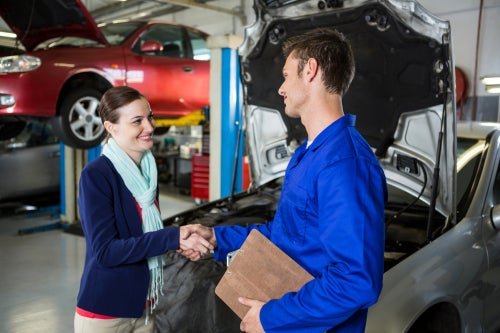
Quick Listen: Podcast Imagine it's a brisk Sunday morning in suburban America. You slide into your car, turn the key, and nothing. The engine coughs, the dashboard flickers, and a sinking feeling hits. For millions of drivers, this moment of automotive betrayal leads to one place: the world of auto parts sales. Far from a mere retail transaction, parts sales form the backbone of vehicle maintenance, ensuring cars remain safe, reliable, and road-ready. This intricate ecosystem of spark plugs, brake pads, and expert advice is more than a supply chain it's a lifeline for drivers, mechanics, and communities. Let's explore why parts sales are the unsung heroes of our daily drives, delving into their mechanics, their human touch, and their broader impact. The Foundation of Every Repair Vehicle maintenance hinges on one truth: no repair happens without the right part. Whether it's a squeaky belt or a failing alternator, the solution starts with a component designed to restore a car's performance. Jupiter Chevrolet, a respected dealership in Garland, Texas, underscores this reality. Their parts department stocks thousands of OEM (Original Equipment Manufacturer) parts, each engineered to match a vehicle's precise specifications. “We prioritize OEM parts for their quality and reliability,” their website states, emphasizing that these components ensure repairs last longer and perform better than many aftermarket alternatives. The scale of this industry is substantial. The U.S. auto parts sector is a significant economic contributor, with replacement parts driving a large portion of its revenue. This reflects the critical role parts sales play in maintaining America's vehicles on the road. From a $10 air filter to a $500 transmission component, every sale contributes to safer, more efficient driving. But beyond the numbers lies a deeper story: parts sales are about precision and trust, ensuring that each repair restores a vehicle to its peak condition. Consider the stakes. A worn-out timing belt, if ignored, can cause catastrophic engine failure, costing thousands in repairs. A faulty brake pad can compromise safety, putting lives at risk. OEM parts, designed by the vehicle's manufacturer, minimize these risks. Parts specialists at dealerships like Jupiter Chevrolet ensure customers receive the correct components. Their role isn't just about handing over a box it's about ensuring the part fits, functions, and keeps the driver safe. The Human Element in Parts Sales Parts sales thrive on expertise and connection. Walk into a dealership or an auto parts store like Advance Auto Parts, and you're not just buying a product you're tapping into knowledge. Parts specialists act as problem-solvers, listening to a customer describe a clunking noise or sluggish acceleration and helping identify the exact part needed. This diagnostic skill transforms parts sales into a collaborative effort, bridging the gap between a driver's frustration and a solution. For DIY enthusiasts, parts sales are a gateway to empowerment. Many drivers undertake their own repairs, relying on parts specialists for guidance. This trend reflects a growing interest in DIY automotive work, fostering a sense of accomplishment among vehicle owners. Even for those who shy away from wrenches, parts sales offer reassurance. Dealerships and retailers frequently pair parts with professional installation or advice. A significant portion of drivers prefer certified technicians for repairs, citing trust in quality parts and expertise. This trust is hard-earned. Parts specialists use tools like VIN lookups to ensure compatibility, preventing costly mistakes. They take the time to ask questions and make sure customers leave with the right solution. Navigating a Complex Landscape The auto parts world can feel like a maze. Shelves brim with filters, sensors, and gaskets, each with cryptic part numbers. For the uninitiated, it's daunting. This is where skilled staff shine. At Jupiter Chevrolet, their online parts portal streamlines the process, allowing customers to order OEM parts with ease while offering phone support for personalized help. Parts specialists are here to demystify the process, ensuring DIYers and professional mechanics get exactly what they need. Technology is transforming parts sales, too. Real-time inventory systems have become standard, with many dealerships adopting digital tools. These systems reduce wait times for rare components, ensuring repairs happen faster. Yet, technology doesn't replace the human touch. No app can replicate the confidence inspired by a parts specialist's assurance: “This is the right part, and we've got your back.” The rise of e-commerce has added another layer. Online platforms let customers browse parts from home, but they often lack the nuanced guidance of in-person service. While online parts sales are growing, many consumers still prefer brick-and-mortar stores for complex purchases, valuing expert advice over convenience. This balance blending digital efficiency with human expertise defines the modern parts sales landscape. The Broader Impact Parts sales do more than fix cars they sustain communities. In a country where most Americans rely on personal vehicles for daily travel, a functioning car is non-negotiable. It's the ride to work, the school pickup, the weekend getaway. In rural areas, where public transit is often nonexistent, a broken vehicle can disrupt lives. Every part sold, from a $5 fuse to a $1,000 catalytic converter, keeps this ecosystem moving. There's an environmental dimension, too. Quality parts extend a vehicle's lifespan, reducing the demand for new cars and the resources they consume. “OEM parts are built for durability,” Jupiter Chevrolet's website notes. By keeping vehicles operational longer, parts sales align with sustainability goals. Extending vehicle lifespans contributes to reduced automotive emissions, a significant win for the planet. Economically, parts sales are a powerhouse. The auto parts industry supports millions of jobs, from manufacturing to retail. Dealerships like Jupiter Chevrolet and chains like Advance Auto Parts employ thousands, while local garages depend on parts sales to serve their customers. This ripple effect underscores the industry's role as a cornerstone of the American economy. Challenges and Opportunities Parts sales aren't without hurdles. Supply chain disruptions have exposed vulnerabilities in recent years, frustrating customers and mechanics alike. Counterfeit parts also pose a risk, with substandard components undermining safety, a problem combated through stricter regulations and consumer education. Yet, opportunities abound. Advances in electric vehicle (EV) technology are reshaping parts sales, with batteries and charging components becoming increasingly important. The growing adoption of EVs is expected to drive demand for specialized parts in the coming years. Dealerships and retailers are adapting, training staff to handle these new demands and expanding inventories to include EV-specific components. A Legacy of Reliability As I leave Jupiter Chevrolet, a parts specialist hands me a business card with a nod. “If your car ever gives you trouble, we're here,” she says. Her words capture the essence of parts sales: dependable, approachable, and essential. Behind every repair, every journey, every uneventful commute, there's a part and a person who made it possible. Parts sales are more than a cog in the automotive machine. They're the spark that reignites an engine, the brake that ensures safety, the filter that keeps things humming. They empower DIYers, support professionals, and sustain communities. The next time your car needs a fix, pause to appreciate the intricate dance of parts sales. It's a world where precision meets passion, keeping America's roads alive, one component at a time. Disclaimer: The above helpful resources content contains personal opinions and experiences. The information provided is for general knowledge and does not constitute professional advice. You may also be interested in: The Impact of Tariffs on Car Prices and Supply Chains in the Auto Industry Feeling stuck in the stressful car-buying process? At Jupiter Chevrolet in Garland, TX, we've reimagined how buying a car should feel. With transparent pricing, online deal-building tools, and the benefits of our Jupiter Advantage program, we ensure every step is straightforward and satisfying. Skip the hassle. From purchase to certified service, our team truly puts your choice and convenience first. Turn your dreams of finding your ideal Chevrolet into reality with us. Visit Jupiter Chevrolet today! Powered by flareAI.
The Convenience of Online Car Buying Tools

The Convenience of Online Car Buying Tools

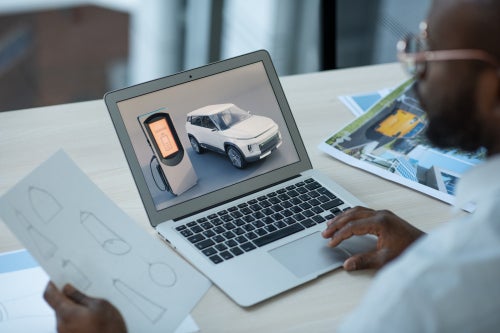
Quick Listen: Podcast The ritual of car buying once demanded a pilgrimage to the dealership: hours spent navigating crowded lots, enduring high-pressure sales pitches, and wrestling with stacks of paperwork. Today, that script has been rewritten. From the comfort of your living room, you can explore a Chevrolet's features, secure financing, and even have your new car delivered to your driveway. The rise of online car buying tools has transformed the automotive industry, offering unmatched convenience, transparency, and control. This isn't just a trend it's a seismic shift in how we purchase vehicles. Let's explore how these digital platforms empower buyers, streamline processes, and redefine the road to car ownership. Browse Without Boundaries The days of trudging through dealership lots under the watchful eye of a salesperson are fading. Online platforms have turned your laptop or smartphone into a virtual showroom. On Chevrolet's current offers page, you can browse an entire inventory comparing a Silverado's towing capacity to a Blazer's sleek design with a few clicks. These tools allow you to filter by price, features, or availability, tailoring the experience to your needs. The numbers tell the story: a 2024 industry report found that over 60% of car buyers begin their journey online, with many completing significant portions of the process digitally. “Buyers want autonomy,” says automotive analyst Jessica Caldwell. “Digital tools let them research and decide without pressure.” This freedom is transformative. Whether you're weighing fuel efficiency or debating color options, online platforms give you the space to make informed choices at your own pace. No rushed decisions, no hovering salespeople just you and the data you need. Moreover, these platforms extend beyond browsing. Many integrate real-time inventory updates, showing which models are available at nearby dealers. This transparency eliminates the frustration of chasing a car that's already sold. For first-time buyers or busy professionals, the ability to shop from home is more than convenient it's a lifeline. Financing Made Simple Securing a car loan once felt like a high-stakes scavenger hunt. You'd shuttle between banks, credit unions, and dealership finance offices, piecing together rates and terms. Missteps could lock you into unfavorable deals. Now, online tools have demystified this process, bringing clarity and efficiency to financing. Websites like Bank of America's auto loan portal and the Consumer Financial Protection Bureau's resources allow you to compare lenders, calculate payments, and apply for pre-approval all before stepping into a dealership. Wells Fargo's vehicle financing guide, for instance, offers calculators to estimate monthly costs based on loan terms and interest rates. “These tools help buyers set realistic budgets,” says financial advisor Maria Gonzalez in a Consumer Reports guide. “You know your limits before you fall in love with a car.” Pre-approval is a particularly powerful feature. By locking in financing early, you enter negotiations with leverage, sidestepping dealership financing traps. A 2023 study noted that buyers who secured pre-approved loans saved an average of 1.5% on interest rates compared to those relying solely on dealer offers. This isn't just about saving money; it's about confidence. When you know your budget, you can focus on finding the right car, not scrambling to make the numbers work. The Tech Edge: AR and AI The future of car buying isn't on the horizon it's here. Augmented reality (AR) and artificial intelligence (AI) are elevating the online experience, making it more immersive and personalized. Imagine slipping on a headset to take a virtual tour of a Chevy Equinox, inspecting its interior as if you were sitting inside. Or picture an AI analyzing your preferences say, a need for cargo space and fuel efficiency and recommending a Traverse tailored to your lifestyle. “Technology is reshaping how we connect with cars,” says tech consultant David Lee in an industry analysis. Chevrolet's special offers page leverages AI to highlight deals based on your location and browsing history, ensuring you see relevant promotions. AR, meanwhile, bridges the gap between digital and physical. Some platforms let you visualize a car in your driveway or explore its features in 3D, offering a tactile sense of ownership without leaving home. These innovations aren't just flashy they're practical. A 2024 survey found that 30% of buyers used digital visualization tools to finalize their model choice, citing greater confidence in their decisions. For younger buyers, who prioritize tech-driven experiences, AR and AI are becoming must-haves. As these tools evolve, they'll further blur the line between online research and real-world driving. Streamlining the Dealership Experience Dealership visits can be draining. Hours spent haggling, signing forms, and waiting for approvals test even the most patient buyers. Online tools are dismantling these barriers. Platforms now handle everything from price quotes to digital contracts, reducing the need for in-person visits. Some even offer home delivery your new Chevy could arrive at your doorstep, keys in hand. Chevrolet's lease deals page, for example, lets you explore leasing options, estimate payments, and initiate paperwork online. “Digital processes save families hours,” says Sarah Thompson, a recent buyer quoted in a Progressive article. A 2024 survey revealed that 45% of buyers completed their entire purchase online, citing reduced stress and time savings. For those who still visit dealerships, the process is often a formality sign a few papers, pick up the keys, and drive off. This shift also benefits dealers. By handling preliminary steps online, dealerships can focus on high-value tasks like test drives and customer service. The result is a win-win: buyers enjoy a smoother experience, and dealers operate more efficiently. As digital paperwork and e-signatures become standard, the traditional dealership model is evolving to meet the demands of a tech-savvy market. Challenges and Considerations No revolution is without hurdles. Online car buying, while transformative, has limitations. Some buyers miss the tactile experience of test-driving multiple models or negotiating face-to-face. Others worry about cybersecurity when sharing financial details online. A 2024 report noted that 25% of consumers hesitated to complete purchases digitally due to privacy concerns. Additionally, not all dealerships offer fully online processes. Rural buyers, in particular, may face limited digital inventory or delivery options. “The transition isn't universal,” says analyst Caldwell. “Some regions lag in adopting these tools.” For these buyers, hybrid approaches blending online research with in-person visits remain essential. Still, the industry is addressing these challenges. Enhanced encryption protects financial data, and dealers are expanding online offerings to reach broader audiences. As consumer trust grows, the adoption of digital tools will likely accelerate. A New Era of Empowerment The road to car ownership has been repaved. Online car buying tools have shifted the balance of power to consumers, offering convenience, transparency, and efficiency. From browsing inventories to securing loans, these platforms streamline every step, saving time and reducing stress. AR and AI add a layer of personalization, while digital paperwork minimizes dealership hassles. Though challenges remain, the trajectory is clear: the future of car buying is digital. For those eyeing a new Chevrolet, the path is simpler than ever. Visit Chevrolet's deals page, explore your options, and let technology guide you. Your dream car isn't just a purchase it's a journey, and the digital road makes it smoother, smarter, and more empowering than ever before. Disclaimer: The above helpful resources content contains personal opinions and experiences. The information provided is for general knowledge and does not constitute professional advice. You may also be interested in: Jupiter Chevrolet Blog | News, Updates, and Info - Jupiter Chevrolet Feeling stuck in the stressful car-buying process? At Jupiter Chevrolet in Garland, TX, we've reimagined how buying a car should feel. With transparent pricing, online deal-building tools, and the benefits of our Jupiter Advantage program, we ensure every step is straightforward and satisfying. Skip the hassle. From purchase to certified service, our team truly puts your choice and convenience first. Turn your dreams of finding your ideal Chevrolet into reality with us. Visit Jupiter Chevrolet today! Powered by flareAI.

The Rise of Social Media in Automotive Marketing

The Rise of Social Media in Automotive Marketing

Quick Listen: Podcast The car dealership, once defined by Sunday strolls through rows of sedans and face-to-face negotiations under fluorescent lights, has shifted online. In 2025, much of the car-buying process doesn't begin at a lot it begins on a smartphone screen. And increasingly, it begins on social media. This isn't just a matter of convenience. It's a seismic shift in how automakers, dealerships, and consumers interact. Facebook ads, TikTok walkarounds, Instagram Reels, and YouTube reviews have evolved from marketing experiments into core pillars of the automotive sales strategy. And with Americans spending significant time daily on social platforms, it's clear: car buyers aren't just browsing they're deciding. Digital Doors Replacing Showroom Floors As the inventory crisis of the early 2020s begins to fade, consumers are being greeted with more choices and more ways to explore them. According to Bankrate, the car-buying process has changed dramatically nearly two-thirds of buyers now start their journey online, often weeks before ever stepping onto a dealership lot. This digital shift is about more than convenience. Social media channels allow buyers to explore cars in action how they sound, how they drive, how the touchscreen reacts in real time. Influencers often provide more relatable, transparent reviews than corporate ads. And for dealerships, platforms like Instagram and TikTok have become vital tools for brand-building and lead generation. Jupiter Chevrolet, based in Garland, Texas, is one of many dealerships embracing the movement. The team posts walkaround videos of new vehicles, hosts live Q&A sessions, and even shares customer-delivered vehicle handoffs. These interactions aren't just content they're trust-building moments that create familiarity and drive foot traffic. A Market Shaped by New Expectations Today's auto market reflects this new digital-first behavior. While inflation and interest rates continue to challenge affordability, analysts note that new car prices are beginning to stabilize. Many automakers are offering generous incentives, such as cash-back programs and low-interest financing, to lure buyers back into the market. These offers are frequently highlighted not in newspapers, but on Facebook ads and Snapchat stories. Electric vehicles (EVs), too, are thriving not just in volume, but in how well they are received. As revealed by Cox Automotive, EV owners reported high satisfaction levels. This success is no coincidence EVs have been particularly well-suited for visual storytelling. High-tech dashboards, seamless charging apps, and futuristic design features play well in 30-second TikToks. More than any other factor, though, it's the personalization enabled by digital tools that is driving consumer engagement. A buyer today expects to be met where they already are on their phone, scrolling social feeds, absorbing information not through brochures, but through creators they follow and trust. The Omnichannel Reality of Car Buying For dealerships, meeting this expectation means building a cohesive experience across physical and digital touchpoints. It's not enough to have a good website. Dealers must integrate inventory availability, financing pre-approvals, and trade-in valuations into a seamless digital journey that mirrors the in-person process. And this isn't hypothetical. According to Cox Automotive, customers who engage in both online and in-store experiences are consistently more satisfied than those who use only one method. This omnichannel model is quickly becoming the standard digital isn't replacing dealerships, it's redefining them. Key tools like digital test drive scheduling, real-time chat, and mobile-friendly credit check tools are now considered essential. The line between e-commerce and automotive retail has blurred. Dealerships that adapt are already reaping the benefits. Social Media's Impact on Financing Decisions One of the most striking changes brought about by this shift is how consumers approach financing. Historically, many buyers walked into a dealership with little understanding of loan terms, interest rates, or what they could afford. In 2025, that's changing because social media is doing the explaining. From TikTok creators breaking down lease vs. buy decisions to YouTube videos comparing interest rates across lenders, financial literacy is now content. Short-form videos present this information in engaging, digestible ways often more effectively than traditional financial institutions. According to CarEdge, dealerships that embrace transparent online financing tools are gaining an edge. Customers can browse incentives, simulate loan scenarios, and compare options without pressure all before entering a showroom. The result? A more confident buyer, and a smoother transaction. Challenges of the New Landscape Of course, the digital revolution hasn't solved every challenge. High interest rates continue to dampen affordability, particularly for first-time buyers. And misinformation remains a risk, especially in environments where content spreads faster than facts. Some buyers may be swayed by influencer content that lacks nuance, promoting vehicles based on aesthetics or momentary trends rather than long-term value. That's why credible voices and credible dealerships play an essential role in keeping the conversation grounded. This is also where social listening becomes vital. Dealers can use social media to monitor what customers are saying, identify pain points, and respond quickly to concerns. The best dealers don't just post they engage. Looking Ahead: A Social-First Future The trajectory is clear. Automotive marketing in 2025 is being shaped not in corporate boardrooms, but in the comment sections of YouTube and on the For You pages of TikTok. Dealerships that recognize this aren't just building brands they're building relationships. As Cox Automotive forecasts, improving personalization and digital convenience will continue to define market growth. That means the most successful dealerships will be those that think like publishers using storytelling, interactivity, and audience data to guide their outreach. At Jupiter Chevrolet, for example, social isn't a side project it's integrated into every customer interaction. When a new model arrives, the first stop isn't the showroom, it's the camera lens. That video may rack up thousands of views before the first test drive is booked. And when that customer does walk through the door, they aren't starting from scratch they already know the specs, they've watched the walkaround, and they've read other buyer's experiences in the comments. More Than a Trend This isn't a marketing trend. It's a business imperative. Social media has moved from the sidelines into the driver's seat, transforming every stage of the car-buying journey from awareness to decision to loyalty. The question for dealerships is no longer whether to use social media, but how well they can wield it. In a landscape where attention is the new currency, the best automotive marketers aren't just selling cars they're earning trust, one scroll at a time. Disclaimer: The above helpful resources content contains personal opinions and experiences. The information provided is for general knowledge and does not constitute professional advice. You may also be interested in: Jupiter Chevrolet Blog | News, Updates, and Info - Jupiter Chevrolet Feeling stuck in the stressful car-buying process? At Jupiter Chevrolet in Garland, TX, we've reimagined how buying a car should feel. With transparent pricing, online deal-building tools, and the benefits of our Jupiter Advantage program, we ensure every step is straightforward and satisfying. Skip the hassle. From purchase to certified service, our team truly puts your choice and convenience first. Turn your dreams of finding your ideal Chevrolet into reality with us. Visit Jupiter Chevrolet today! Powered by flareAI.

The Importance of Community Engagement for Local Dealerships

The Importance of Community Engagement for Local Dealerships

Quick Listen: Podcast In the heart of Rolla, Missouri, a local car dealership transforms its lot into a vibrant community hub each summer. Families gather, not just to admire gleaming vehicles, but to share laughter at a charity car show, where kids race toy cars and neighbors reconnect over hot dogs. This scene, vividly captured in a 2024 Rolla Daily News article, reveals a truth reshaping the automotive industry: local dealerships thrive when they become integral to their communities. In an age of e-commerce giants and digital skepticism, community engagement is no longer optional it's a critical strategy for dealerships aiming to build trust, loyalty, and lasting relevance. The Power of Presence: Building Trust Through Events For a local dealership, showing up matters as much as selling cars. Across America, dealerships are hosting events think car shows, charity drives, or youth sports sponsorships that cement their status as community pillars. A 2023 study by Cox Automotive found that 68% of car buyers prefer dealers with a strong local presence, a statistic that underscores the value of visibility. These events do more than draw crowds; they forge emotional connections that translate into sales. Consider a Missouri dealership that raffled off a car to support a local charity. As detailed in the Rolla Daily News, the event attracted hundreds, many of whom later became customers. “People want to do business with those they know and trust,” says Brian Ekre, a dealership consultant, in a LinkedIn post. This trust is hard-won but invaluable, turning one-time buyers into lifelong patrons. Such initiatives are strategic, not sentimental. Hosting a 5K run or sponsoring a high school band creates touchpoints that humanize a dealership. Unlike national chains, local dealers can leverage their proximity to build authentic relationships. A 2024 AutoTrader report notes that 73% of buyers value community involvement when choosing a dealership, a preference that drives foot traffic and fosters loyalty. By aligning with local causes, dealerships position themselves as more than businesses they become trusted neighbors. Social Media: Amplifying Community Ties If community events are the handshake, social media is the megaphone. Platforms like Instagram, Facebook, and X have become virtual town squares where dealerships showcase their community involvement. A CBT News article highlights how dealers use social media to share stories whether it's staff volunteering at a food bank or live-streaming a charity car wash. These posts don't just advertise; they build a narrative of care and connection. Take a dealership that posted a video of its team refurbishing a local playground. The post went viral among residents, driving engagement without mentioning cars. As Ekre notes in his LinkedIn analysis, “Social media allows dealerships to tell their story in real time, showing they're part of the community, not just in it.” This authenticity resonates with buyers, 73% of whom check a dealership's social media presence before visiting, according to AutoTrader. Social media also amplifies reach. A single post about a local event can garner thousands of views, far surpassing traditional advertising. Dealerships that share behind-the-scenes content say, mechanics mentoring students at a career fair create a relatable brand. This strategy aligns with findings from Edmunds, which reports that 40% of dealership sales stem from word-of-mouth referrals, often sparked by social media. In a skeptical digital age, these platforms offer a powerful tool to build trust and visibility. Economic and Social Impact: A Virtuous Cycle Community engagement isn't just about goodwill it's an economic engine. When a dealership sponsors a Little League team or hosts a charity auction, it injects money into the local economy. Community engagement efforts contribute significantly to local economies through direct spending and increased business for nearby vendors, from caterers to print shops. The social impact is equally profound. Customers who see their dealer at a school fundraiser or a veteran's event feel a connection that transcends price tags. “Community engagement creates a bond that price tags can't break,” a dealership manager told Evox Images. This bond drives loyalty, with Edmunds noting that loyal customers account for 40% of sales through repeat business and referrals. Strategic partnerships amplify these benefits. Dealerships that collaborate with local nonprofits say, a women's shelter or a food bank align their brand with values that matter. A CBT News report cites a dealership that donated vehicles to a disaster relief effort, earning goodwill and media coverage. These partnerships create a virtuous cycle: stronger communities foster stronger businesses, which in turn reinvest in their towns. Navigating Challenges: The Road Ahead Community engagement isn't without hurdles. Organizing events requires time, money, and staff coordination, resources that small dealerships may lack. Social media, while powerful, demands consistent effort to avoid appearing opportunistic. A poorly executed campaign say, a charity event perceived as self-serving can backfire, as noted in a Cars.com article on buyer perceptions. Yet, the risks are outweighed by the rewards. The rise of online retailers like Carvana and Tesla's direct-to-consumer model threatens traditional dealerships, but community engagement offers a competitive edge. Cars.com reports that 82% of buyers prefer dealers with a “local feel” over impersonal chains, a preference that underscores the value of rootedness. By doubling down on community ties, dealerships can differentiate themselves in a crowded market. A Roadmap to Relevance: The Future of Dealerships The automotive industry stands at a pivotal moment. As digital platforms reshape car buying, local dealerships must evolve to stay relevant. Community engagement is not a sideline it's a strategy for survival and growth. Whether through a summer car show, a viral social media post, or a partnership with a local charity, these efforts remind customers that their dealer is more than a business. It's a neighbor, a partner, a fixture in the community's story. The data is compelling: 68% of buyers prioritize community presence, 73% check social media, and 82% favor local dealers. But beyond the numbers lies a deeper truth: in an era of automation and anonymity, human connection is the ultimate currency. “The community is your showroom,” Ekre writes in his LinkedIn post. For dealerships willing to invest, that showroom is boundless. To dealers hesitating: start small, but start now. Sponsor a school event. Share a story on social media. Show up where it matters. The road to relevance begins with a single step into the heart of your community. Disclaimer: The above helpful resources content contains personal opinions and experiences. The information provided is for general knowledge and does not constitute professional advice. You may also be interested in: Jupiter Chevrolet Blog | News, Updates, and Info - Jupiter Chevrolet Feeling stuck in the stressful car-buying process? At Jupiter Chevrolet in Garland, TX, we've reimagined how buying a car should feel. With transparent pricing, online deal-building tools, and the benefits of our Jupiter Advantage program, we ensure every step is straightforward and satisfying. Skip the hassle. From purchase to certified service, our team truly puts your choice and convenience first. Turn your dreams of finding your ideal Chevrolet into reality with us. Visit Jupiter Chevrolet today! Powered by flareAI.

Engaging with Customers Through Social Media: Best Practices

Engaging with Customers Through Social Media: Best Practices

Where a smartphone swipe can replace a showroom stroll, the rules of customer engagement are being rewritten. Dealerships that once relied on flashy commercials and foot traffic are now navigating a world where engagement happens in real-time, and where every post, comment, and story can make or break a sale. Social media isn't a peripheral tool anymore it's the primary avenue through which relationships are built, trust is earned, and business grows. A Market in Motion The automotive market has undergone a significant shift in recent years. The days of relying solely on weekend walk-ins and paper brochures are long gone. According to a recent report, increased inventory levels and an influx of digital platforms have radically altered how people approach car buying. Now, customers research, compare, and even initiate financing all before stepping foot into a dealership. That transformation has also extended to how dealerships must now present themselves to be relevant. The Digital Buying Mindset Customers today are armed with information and expectations. They're not just looking for a car; they're looking for a streamlined, transparent experience. As Cox Automotive revealed in its buyer journey study, satisfaction levels have reached record highs among both new and electric vehicle buyers. This rise isn't accidental it correlates directly with dealerships adopting digital tools that simplify the path to purchase. Meanwhile, market data shows a leveling of new car prices and a notable rise in promotional incentives. Consumers are responding positively, especially in segments like electric vehicles where satisfaction is driven by both innovation and access to relevant, easy-to-digest information. The lesson? Engagement starts early, often before customers know which car they want. And social media is where they're looking for answers. Where First Impressions Are Made Today's first handshake is likely to happen online. Whether through a quick Instagram Reel of a new model, a Facebook message about availability, or a live-streamed walkaround, these digital interactions are shaping opinions long before a test drive is scheduled. This makes omnichannel fluency a necessity, not a luxury. The same study from Cox Automotive emphasized the value of omnichannel experiences integrated journeys that span online browsing, in-person interactions, and post-sale follow-up. Customers expect to start their journey on their phone and continue it seamlessly in the dealership. When that flow is disrupted, so is their trust. Building Engagement That Converts It's no longer enough for dealerships to post occasional promotions or holiday sales. To truly engage, content must be relevant, responsive, and human. Stories that showcase a customer picking up their first EV, behind-the-scenes glimpses of the service team, or tips for navigating financing during high-rate periods these are the pieces that foster community and brand affinity. Yet, there's also a technical side to engagement. Social media algorithms favor interaction. The more likes, comments, and shares a post generates, the more visibility it gets. That means dealerships must create content that not only informs but invites conversation. Ask questions. Post polls. Respond to comments like you would to someone standing at your counter. Financial Transparency Matters Even as inventory increases and pricing stabilizes, financing remains a key hurdle for buyers. In 2025, many consumers are still contending with elevated interest rates. In this context, clear, informative financial communication is essential. Resources like CarEdge highlight that incentives are playing a larger role in helping buyers manage affordability. On platforms like Instagram and Facebook, short videos or carousels explaining dealership-specific promotions or demystifying credit score impact can build goodwill and reduce friction later in the sales funnel. Gone are the days when financing was discussed only in an office, post-sale. Today, smart dealers surface those conversations early on social media where customers are already engaging. Trust Is the Currency In a saturated content landscape, what stands out isn't the flashiest video or the boldest discount it's credibility. The Cox Outlook emphasizes improving affordability and satisfaction as key trends. Dealerships that embrace transparency posting real customer stories, responding candidly to reviews, sharing accurate pricing build reputations that last. Trust also requires consistency. A customer who gets an answer via TikTok DMs in 10 minutes but hears nothing back through email for three days won't feel valued. Brands that standardize communication across channels send a powerful message: "We see you. We're here. We're consistent." Best Practices for Social Media Success So what does effective engagement actually look like for dealerships? Respond Promptly and Personally: Automated responses are useful but limited. Human follow-up makes the difference. Diversify Content: Mix videos, carousels, testimonials, Q&As, and live streams. Let your audience see your team, not just your inventory. Educate More Than You Promote: A post about interest rates or EV maintenance will often perform better than a generic sale post. Feature Real People: Showcase your customers, technicians, and sales staff. Authenticity fosters loyalty. Track What Resonates: Use platform analytics to understand which posts drive engagement and adapt accordingly. Preparing for What's Next The coming years will continue to test how well dealerships can blend digital agility with traditional service. Those that adapt quickly will find themselves not just surviving but leading. It's worth remembering that every social media interaction every story view, every comment reply, every shared testimonial is a moment of influence. In the automotive world, where purchases are high-stakes and infrequent, building trust through these micro-moments isn't just smart. It's essential. Connection Drives Sales As the 2025 market continues to evolve, so too must the strategies dealerships use to connect with buyers. Social media is no longer a side task delegated to interns it's the digital front line of automotive retail. And while the platforms may change, the principles don't: Be honest. Be helpful. Be human. Disclaimer: The above helpful resources content contains personal opinions and experiences. The information provided is for general knowledge and does not constitute professional advice. You may also be interested in: Jupiter Chevrolet Blog | News, Updates, and Info - Jupiter Chevrolet Feeling stuck in the stressful car-buying process? At Jupiter Chevrolet in Garland, TX, we've reimagined how buying a car should feel. With transparent pricing, online deal-building tools, and the benefits of our Jupiter Advantage program, we ensure every step is straightforward and satisfying. Skip the hassle. From purchase to certified service, our team truly puts your choice and convenience first. Turn your dreams of finding your ideal Chevrolet into reality with us. Visit Jupiter Chevrolet today! Powered by flareAI.
How to Leverage Instagram for Automotive Marketing

How to Leverage Instagram for Automotive Marketing

Quick Listen: Podcast Buying a car often meant spending a Saturday afternoon at a dealership, test-driving a few models, then bracing for the negotiation marathon with a clipboard-wielding salesperson. But the landscape has shifted. In 2025, the car buying experience is less about pressure and more about precision a consumer-centric process powered by digital innovation, smarter financing options, and improved inventory. This transformation isn't cosmetic. It reflects fundamental changes in how Americans approach one of their most expensive, emotionally charged purchases. A Smoother Road Ahead The modern car market is being reshaped by a combination of increased vehicle availability and widespread adoption of digital retailing platforms. According to a detailed report from Bankrate, the days of empty lots and sky-high dealer markups are waning. Dealerships now have more stock, and shoppers have more leverage especially those using online tools to compare models, lock in financing, and even complete purchases without setting foot in a showroom. This shift is more than a convenience upgrade. It's a redefinition of how trust and transparency are built in an industry long criticized for lacking both. Market Conditions in 2025: A Welcome Recalibration While affordability remains a challenge, there are encouraging signs for buyers. Investopedia notes that new car prices are finally stabilizing after years of volatility. Automakers and dealers are once again offering cash-back deals, interest rate promotions, and seasonal incentives tools that had all but vanished during the post-pandemic supply crunch. This rebalancing is critical, as it signals a return to more traditional market dynamics where consumers can make decisions based on value, rather than scarcity. Meanwhile, one segment continues to accelerate: electric vehicles. A Cox Automotive study found that EV buyers are reporting high satisfaction. Improved range, broader infrastructure, and greater model variety are finally aligning with consumer expectations. Technology Is Changing More Than Just the Cars We often focus on the high-tech features of modern vehicles adaptive cruise control, touchscreens, over-the-air updates. But some of the most dramatic tech-driven changes are happening off the road. Digital tools are not only streamlining the buying process; they're enhancing trust and personalization. Buyers can now explore vehicles through virtual test drives, use AI-powered platforms to get trade-in appraisals, and receive real-time notifications about deals on preferred models. As Cox Automotive reports, these technologies are directly contributing to faster transactions and more confident decisions. The omnichannel experience beginning online, continuing in person, and finishing via smartphone is becoming the gold standard. Consumers expect seamless transitions between digital and physical touchpoints. Dealers who fail to adapt risk being left behind. Financing in a High-Rate Environment Even as prices level out, interest rates remain elevated. For many consumers, this means financing is the most difficult and consequential part of the buying process. Lenders are scrutinizing credit more closely than ever. According to CareEdge, buyers with strong credit can still access favorable loan terms, especially when combined with promotional financing from manufacturers. But for those with fair or poor credit, monthly payments can stretch budgets to the breaking point. That's why pre-approval, comparison shopping, and a deep understanding of one's credit profile have become essential. Dealerships, in response, are offering more flexible structures including longer loan terms and deferred payments though consumers must weigh those trade-offs carefully. Shoppers can gain an edge by timing their purchase strategically. Investopedia notes that end-of-quarter sales pushes and year-end clearance events remain the best times to secure a deal. Electric Vehicles: A Bright Spot for Buyers and Sellers EVs continue to be a focal point for both automakers and consumers. With federal incentives still in place for many models, and more budget-friendly options entering the market, 2025 may be the year when electric goes mainstream. Satisfaction among EV buyers isn't just about the vehicles it's about the experience. According to a Cox Automotive study, those who purchased EVs reported shorter buying timelines, better transparency, and higher trust in dealership staff. It appears the dealers selling EVs are adapting faster to the new customer expectations than their traditional counterparts. EV ownership also dovetails with another powerful trend: buyers want their vehicles and their buying experience to reflect personal values, including environmental sustainability and technological sophistication. The Role of Information in Empowering Buyers Information access has become the great equalizer in the automotive marketplace. Today's consumers are arriving at dealerships armed with side-by-side comparisons, invoice pricing, and reviews from both experts and peers. They're more informed, more prepared, and far less willing to be rushed or upsold. Tools that were once exclusive to insiders such as trade-in value estimators, financing calculators, and inventory locators are now available on any smartphone. As Bankrate explains, this shift has given rise to a more empowered buyer, one who expects transparency and efficiency from the first click to the final signature. Dealerships: Adapting or Disappearing The dealership model isn't going away, but it's under pressure to evolve. Successful dealerships are embracing a consultative, tech-enhanced approach. They're focusing on speed, personalization, and customer education not just closing the deal. Physical locations still matter, especially for test drives, trade-ins, and service. But their role is shifting from sales hub to experience center. According to Recall Masters, dealers who offer hybrid sales models and maintain strong post-sale support are gaining a competitive edge. The future may not be fully online, but it is certainly digital-first. What It All Means for You The road to a new vehicle is no longer paved with guesswork. With the right tools and timing, shoppers can secure better prices, financing, and overall satisfaction. What does that look like in practice? It means checking your credit before visiting the dealership. It means researching models and comparing prices across platforms. It means understanding the value of your trade-in, getting pre-approved for a loan, and knowing when to walk away from a bad deal. In 2025, the most powerful asset in the car buying process isn't horsepower it's information. Driving Financial Futures Buying a car has always been a major financial decision. But today, it's also an opportunity an opportunity to leverage technology, incentives, and transparency in ways previous generations never could. Whether you're a first-time buyer or a seasoned car enthusiast, there's no question the experience is evolving. By staying informed and embracing the tools available, you can steer the process and your financial future in the right direction. Disclaimer: The above helpful resources content contains personal opinions and experiences. The information provided is for general knowledge and does not constitute professional advice. You may also be interested in: Jupiter Chevrolet Blog | News, Updates, and Info - Jupiter Chevrolet Feeling stuck in the stressful car-buying process? At Jupiter Chevrolet in Garland, TX, we've reimagined how buying a car should feel. With transparent pricing, online deal-building tools, and the benefits of our Jupiter Advantage program, we ensure every step is straightforward and satisfying. Skip the hassle. From purchase to certified service, our team truly puts your choice and convenience first. Turn your dreams of finding your ideal Chevrolet into reality with us. Visit Jupiter Chevrolet today! Powered by flareAI.
Creating Engaging Content for Automotive Social Media

Creating Engaging Content for Automotive Social Media

Imagine a crimson sports car tearing through a mountain pass, its engine roaring as a drone captures the scene in vivid detail. Now picture that video exploding across Instagram, amassing thousands of likes and comments from car enthusiasts. For automotive brands, social media is no mere marketing channel it's the high-octane fuel that drives customer loyalty and sales. In a digital era where attention is fleeting, crafting content that captivates requires precision, creativity, and strategy. This is how dealerships and manufacturers can harness stunning visuals, interactive posts, and authentic storytelling to build communities and accelerate growth. The Power of Digital Driveways: Why Social Media Matters Social media has reshaped how consumers interact with automotive brands. Platforms like Instagram, TikTok, and X are virtual showrooms where car lovers whether performance junkies or practical buyers converge. A 2023 Statista report reveals that 60% of U.S. car buyers research vehicles on social media before stepping into a dealership. This shift underscores a critical truth: a strong online presence isn't optional it's essential. Unlike static billboards, social media fosters dialogue. A single post can spark conversations, answer questions, or showcase a brand's personality. “Authentic, engaging content builds a community that feels personally invested,” notes a Vista Social analysis. For dealerships, this means transforming followers into advocates who don't just buy cars but champion the brand. Whether highlighting a new model's tech or sharing a customer's joyride, every post is a chance to forge lasting connections. The stakes are high. With competitors vying for the same audience, brands must deliver content that's not just seen but remembered. This requires a strategic blend of visual excellence, interactive engagement, and narratives that resonate a formula that, when executed well, can turn casual scrollers into loyal customers. Visual Horsepower: Crafting Imagery That Stops the Scroll Cars are inherently visual, their sleek lines and polished finishes begging to be showcased. A single, well-composed image a pickup truck parked against a golden prairie or a sedan's grille glinting under city lights can halt a viewer mid-scroll. High-quality visuals are the bedrock of automotive social media, demanding investment in professional photography, drone footage, and cinematic video. Consistency is equally critical. A cohesive visual identity, from color schemes to logo placement, reinforces brand recognition. Luxury brands like BMW exemplify this, their Instagram feeds a seamless blend of elegance and precision. For smaller dealerships, the focus should be quality over quantity. A single, meticulously shot video of a car's panoramic sunroof can outshine a dozen lackluster posts. Details matter too: close-ups of a steering wheel's stitching or a rim's chrome can evoke the sensory thrill of ownership. Lighting and composition are non-negotiable. A 2022 study by Hootsuite found that posts with high-resolution images garner 38% more engagement than low-quality ones. Avoid cluttered backgrounds or amateur filters; instead, opt for clean, dynamic shots that highlight the vehicle's design. For video, short, punchy clips think 15-second tours of a car's interior perform best on platforms like TikTok. The goal is simple: make every visual a showcase of aspiration and craftsmanship. Accelerating Engagement: Interactive Content That Sparks Dialogue Great visuals draw eyes, but interaction keeps audiences hooked. The most effective automotive brands don't just broadcast they invite participation. Polls, such as “Coupe or SUV: What's your vibe?” or quizzes testing follower's knowledge of car history, are lightweight yet powerful tools for engagement. They're fun, shareable, and reveal audience preferences, providing data to refine future content. Behind-the-scenes posts offer another avenue. A timelapse of a technician tuning an engine or a glimpse into a factory assembly line humanizes the brand, fostering trust. “Transparency builds credibility,” notes Ben Labs, which found that behind-the-scenes content can boost engagement by 22%. Similarly, live events like streaming a test drive on YouTube or hosting a Q&A with a designer on X create real-time excitement and exclusivity. User-generated content (UGC) is a goldmine. Encourage customers to post photos of their new cars with a branded hashtag, then amplify the best submissions. UGC not only builds community but also serves as authentic endorsement. Ben Labs reports that UGC increases engagement by up to 28% compared to standard posts. A customer's snapshot of their sedan parked at a scenic overlook, paired with a caption about their weekend getaway, carries more weight than any scripted ad. The key is variety: mix polls, live streams, and UGC to keep the content fresh and followers engaged. Stories That Steer Emotion: Narratives That Resonate Cars are more than metal and rubber they're conduits for life's moments. The cross-country move, the late-night cruise, the family's first minivan adventure every vehicle carries a story. Savvy brands tap this emotional vein to create content that lingers. Share customer narratives, like the retiree who bought a convertible for a bucket-list road trip, or highlight your dealership's legacy, from its founding to its community impact. Video is a storytelling powerhouse. A 30-second clip of a customer grinning as they collect their keys can evoke joy and aspiration. Vista Social reports that video content generates 12 times more shares than text or images alone. Short documentaries, like a feature on a technician restoring a vintage Mustang, can also captivate. The key is authenticity overly polished or scripted stories risk feeling hollow. Emotional resonance drives loyalty. A post about a family's road trip in their new SUV can spark nostalgia; a tribute to a brand's heritage can inspire pride. These narratives don't need to be grandiose. A simple caption about a customer's first drive can strike a chord if it's genuine. By weaving stories that reflect shared values and experiences, brands transform followers into advocates who feel personally connected. Fine-Tuning for Impact: Measuring and Optimizing Success Content is only as good as its results. To gauge effectiveness, brands must track engagement metrics likes, comments, shares, and click-through rates. Tools like Sprout Social or Buffer provide granular insights, revealing which posts resonate and why. For instance, if polls outperform product shots, it's a signal to lean into interactive formats. Vanity metrics, like raw like counts, aren't enough. A viral post is meaningless if it doesn't drive showroom visits or website traffic. Set specific goals brand awareness, lead generation, or foot traffic and align content accordingly. A 2023 HubSpot report found that brands adjusting strategies based on analytics see a 20% increase in ROI. If a video series underperforms, experiment with new formats, like 360-degree car tours, and re-evaluate. Social media's strength is its adaptability. Unlike print ads, campaigns can pivot in real time. Test bold ideas, like a virtual reality showroom experience, and let data guide the way. Regular audits ensure consistency cross-check that visuals align with branding and narratives stay authentic. The process is iterative: create, measure, refine, repeat. Building a Legacy of Connection Automotive social media is a journey, not a race. Each post, from a jaw-dropping drone shot to a customer's heartfelt story, is a step toward a loyal, engaged community. By blending visual excellence, interactive creativity, and authentic storytelling, brands can transcend transactional relationships to become part of their customer's lives. The path forward demands courage and curiosity. Embrace new platforms, experiment with formats, and stay attuned to audience desires. With data as your compass and passion as your fuel, the possibilities are endless. In the dynamic world of automotive social media, those who connect authentically don't just lead the pack they redefine the destination. Disclaimer: The above helpful resources content contains personal opinions and experiences. The information provided is for general knowledge and does not constitute professional advice. You may also be interested in: Jupiter Chevrolet Blog | News, Updates, and Info - Jupiter Chevrolet Feeling stuck in the stressful car-buying process? At Jupiter Chevrolet in Garland, TX, we've reimagined how buying a car should feel. With transparent pricing, online deal-building tools, and the benefits of our Jupiter Advantage program, we ensure every step is straightforward and satisfying. Skip the hassle. From purchase to certified service, our team truly puts your choice and convenience first. Turn your dreams of finding your ideal Chevrolet into reality with us. Visit Jupiter Chevrolet today! Powered by flareAI.

The Role of Facebook in Automotive Marketing Strategies

The Role of Facebook in Automotive Marketing Strategies

Quick Listen: Podcast Facebook's advertising platform is renowned for its ability to deliver highly targeted content. For car dealerships, this means reaching potential buyers who have shown specific interest in automotive-related topics, whether through browsing behaviors or interaction with previous ads. The key to success lies in utilizing Facebook's detailed targeting tools, which include demographic, behavioral, and location-based filters. This enables dealerships to create personalized ads tailored to the interests and needs of individual buyers. The flexibility of Facebook ads also allows dealerships to experiment with different formats, such as carousel ads, video ads, and dynamic ads. These formats help capture attention and engage users, making it easier for car brands to showcase their vehicles in creative and compelling ways. Facebook Marketplace: The Digital Showroom Facebook Marketplace has evolved from a simple classified ad platform into a thriving digital showroom for automotive sales. With millions of active users browsing Marketplace each month, dealerships can list their vehicles and provide detailed descriptions, photos, and pricing all within Facebook's ecosystem. This offers potential buyers an easy way to browse vehicles from the comfort of their homes. For used car dealerships, Facebook Marketplace is particularly impactful. A case study by 9Clouds highlights how dealerships that listed their vehicles on Facebook Marketplace saw a noticeable increase in both online inquiries and in-person visits. The platform's vast reach, coupled with its user-friendly interface, makes it an indispensable tool for automotive sales. In addition to listing vehicles for sale, dealerships can engage with buyers through comments, direct messages, and even Facebook Groups, where they can provide additional information and answer questions in real-time. This level of interaction helps build trust with prospective buyers, creating a more personalized experience and increasing the likelihood of a sale. Engaging Content: Building Community While paid ads and Marketplace listings are important, the true power of Facebook lies in the ability to create engaging, interactive content that resonates with consumers. Today's car buyers are looking for more than just advertisements they want to connect with brands on a deeper level. This shift has prompted automotive marketers to move away from traditional sales-focused content and toward stories, customer testimonials, and behind-the-scenes glimpses of the brand. User-generated content (UGC) plays a significant role in this strategy. Car buyers often trust reviews and shared experiences from other consumers more than traditional advertising. By encouraging customers to share their experiences through photos, videos, and reviews, dealerships can create a sense of community that fosters brand loyalty. As highlighted by Sendible, dealerships that actively engage with their customers through UGC experience higher levels of trust and consumer loyalty. Additionally, Facebook offers various tools for interactive content, such as live events, polls, and Q&A sessions. Dealerships can use these features to host virtual car tours, answer questions in real-time, and showcase new models to a wide audience. By maintaining consistent engagement, brands can keep their audience interested and invested in their offerings. The Numbers Behind Facebook's Impact The real power of Facebook lies not just in its reach but in its ability to generate measurable results. Facebook provides marketers with access to comprehensive performance data, including metrics like engagement rates, click-through rates, and conversion statistics. This level of tracking allows dealerships to fine-tune their campaigns and optimize their ad spend for maximum ROI. One key statistic demonstrating Facebook's effectiveness in automotive marketing is that a significant portion of car buyers report interacting with social media ads during their decision-making process, according to industry studies. Of those who interacted with an ad, many ultimately visited the dealership in person, showcasing the tangible impact that Facebook ads can have on driving foot traffic. Moreover, Facebook's advertising tools allow dealerships to track the entire customer journey from the first interaction with an ad to the final purchase. This helps automotive brands understand which campaigns are most effective, which ad formats perform best, and where to allocate resources for optimal results. Challenges for Automotive Brands While Facebook offers significant opportunities for automotive marketers, it also presents a unique set of challenges. One of the most pressing concerns is the need for authenticity. Today's car buyers, especially Millennials and Gen Z, are highly attuned to inauthentic or overly promotional content. To connect with these audiences, dealerships must focus on creating content that feels genuine and transparent. Additionally, Facebook's algorithms and ad policies are constantly evolving, making it essential for marketers to stay up-to-date with the latest changes. Algorithm updates can impact the visibility of content, and changes in ad policies can affect targeting options and ad format availability. To overcome these challenges, automotive brands should focus on building long-term relationships with their audience through organic content and consistent engagement. As noted by Econsultancy, automotive brands that rely solely on paid ads risk losing the trust of their audience. Instead, brands should focus on creating a balance between paid campaigns and organic, community-driven content that resonates with their followers. Shifting into High Gear Facebook has cemented its place as one of the most powerful platforms in automotive marketing. From targeted advertising and Marketplace listings to engaging content and community-building efforts, Facebook offers a multifaceted approach to reaching car buyers. However, to succeed in the ever-changing digital landscape, automotive marketers must stay ahead of trends, continually optimize their strategies, and embrace innovation. Looking to the future, Facebook's role in automotive marketing is only expected to grow. As more consumers turn to social media to research and purchase vehicles, dealerships that adapt to the platform's evolving tools and audience expectations will be best positioned to succeed. By embracing Facebook's vast potential, automotive brands can continue to rev up engagement and drive sales in an increasingly competitive market. Disclaimer: The above helpful resources content contains personal opinions and experiences. The information provided is for general knowledge and does not constitute professional advice. You may also be interested in: Jupiter Chevrolet Blog | News, Updates, and Info - Jupiter Chevrolet Feeling stuck in the stressful car-buying process? At Jupiter Chevrolet in Garland, TX, we've reimagined how buying a car should feel. With transparent pricing, online deal-building tools, and the benefits of our Jupiter Advantage program, we ensure every step is straightforward and satisfying. Skip the hassle. From purchase to certified service, our team truly puts your choice and convenience first. Turn your dreams of finding your ideal Chevrolet into reality with us. Visit Jupiter Chevrolet today! Powered by flareAI.

The Value of Family-Owned Dealerships in Building Trust

The Value of Family-Owned Dealerships in Building Trust

On a sunlit morning in Garland, Texas, Jupiter Chevrolet buzzes with life. A young family test-drives a minivan, a mechanic chats with a regular about his trusty sedan, and the owner hands a scholarship check to a beaming high school senior. This isn't just a car lot it's a cornerstone of the community, where trust is forged through decades of personal connections. In an automotive landscape dominated by corporate giants and digital platforms, family-owned dealerships like Jupiter Chevrolet stand out, not for their size but for their unwavering commitment to their neighbors. What makes these businesses so resilient, and why do they continue to inspire loyalty in an era of fleeting transactions? Roots That Anchor Communities Family-owned dealerships are more than places to buy cars they're woven into the fabric of local life. They sponsor little league games, fund food drives, and turn up at chamber of commerce meetings, not as faceless corporations but as familiar faces. A 2015 Harvard Business Review study found that customers trust family businesses more than corporate entities, citing their deep community ties and personalized approach. At Jupiter Chevrolet, three generations of the same family have backed local causes, from school programs to veteran support, building a reputation that transcends sales. This community engagement isn't just altruism; it's a strategic advantage. By hosting car shows, charity events, or scholarship programs, dealerships create bonds that foster loyalty. A Forbes Business Council report notes that dealerships acting as community anchors see higher customer retention, as buyers gravitate toward businesses they encounter at local festivals or fundraisers. “We're not just selling cars; we're investing in the people who trust us,” says a Jupiter Chevrolet spokesperson, a sentiment echoed by family dealerships nationwide. These efforts turn customers into advocates, ensuring repeat business and word-of-mouth referrals that no billboard can match. The economic impact is tangible. Family dealerships often partner with local suppliers, hire from within the community, and reinvest profits locally, creating a ripple effect. A NADA report highlights how these businesses serve as economic engines, supporting jobs and sustaining small-town vitality. When a customer chooses a family dealership, they're not just buying a vehicle they're bolstering the community they call home. The Human Touch in Every Transaction Step into a corporate dealership, and the experience can feel like navigating a machine: scripted pitches, rigid protocols, and a focus on closing the deal. Family-owned dealerships offer something different a human touch that prioritizes relationships over quotas. At Jupiter Chevrolet, staff often greet customers by name, spend extra time explaining features, or throw in a free service for a loyal client. A WardsAuto analysis underscores this, noting that family dealerships excel at going beyond the sale, whether through flexible financing or checking in on a customer's car years later. This approach contrasts sharply with the transactional nature of larger chains. Where corporate dealerships lean on standardized processes and high-budget ads, family businesses bank on authenticity. “Customers want to feel valued, not processed,” an industry expert observes in an AutoNews report. That value shines through in small gestures a salesman remembering a customer's upcoming vacation or a manager resolving a service issue without red tape. These moments build trust that keeps buyers returning, often across generations. The emphasis on relationships also shapes how family dealerships handle challenges. When a customer has a complaint, they're not shuffled through a call center; they're likely speaking to someone with decision-making power, often a family member. This directness fosters accountability and reinforces trust. As one long-time Jupiter Chevrolet customer put it, “They treat you like family, not a paycheck.” That sentiment, echoed in countless testimonials, is the bedrock of their success. A Legacy Forged Across Generations What sets family dealerships apart is their longevity. Many, like Jupiter Chevrolet, have operated for decades, passing from one generation to the next. This continuity breeds confidence customers know the family behind the business isn't vanishing overnight. The NADA report notes that multi-generational dealerships enjoy higher repeat business because buyers trust their long-term commitment. When you buy from a family lot, you're investing in a name that's been a fixture since your grandparent's first car. This legacy influences every facet of operations. Family dealerships aren't chasing quarterly profits; they're building for the future. That's why they invest in community initiatives, offer deals to local teachers, or mentor young employees. It's not about today's sale it's about ensuring the next generation walks through their doors. “We're here for the long haul,” says a Jupiter Chevrolet manager, a sentiment shared by many family-run businesses. This forward-thinking mindset creates a cycle of loyalty, where trust begets trust, and customers become part of the dealership's extended family. The generational aspect also lends credibility. Buyers perceive family businesses as more authentic, a perception backed by the Harvard study, which found that customers view them as less likely to prioritize profit over ethics. This trust is hard-earned, built through years of consistent service and community involvement. For family dealerships, every transaction is a chance to uphold a legacy, not just close a deal. Adapting to a Digital Era The rise of digital platforms has reshaped the automotive industry, and family dealerships aren't immune to the challenges. Online reviews on platforms like X can make or break reputations, amplifying customer voices in real time. A single negative post can deter potential buyers, while glowing reviews can draw crowds. Family dealerships are adapting, using social media to share their stories whether it's a video of a charity car wash or a customer's five-star testimonial. A CBT News article highlights how dealerships leverage platforms to showcase community involvement, turning digital engagement into real-world loyalty. Yet, their strength remains rooted in the physical world. While corporate giants invest heavily in digital ads, family dealerships focus on what they've always done: showing up. They're at the local diner, the high school football game, the town festival. This blend of old-school values and modern tools keeps them competitive. By posting about local events or responding to online feedback with transparency, they bridge the gap between digital and personal, maintaining trust in an increasingly virtual landscape. The Road Forward As the automotive industry evolves, family-owned dealerships face mounting pressures. Online car-buying platforms like Carvana and corporate consolidations threaten to erode their market share. Rising costs and supply chain disruptions add to the strain. Yet, their resilience lies in something no algorithm can replicate: trust forged through human connection. Jupiter Chevrolet and its peers remind us that in a world of automation and anonymity, people still crave businesses that feel like home. The path ahead requires balance. Family dealerships must embrace digital tools social media, online reviews, targeted content while staying true to their roots. Their playbook, honed over generations, offers a roadmap: invest in the community, prioritize relationships, and adapt without losing sight of what makes them unique. Data backs their staying power: the NADA report notes that family dealerships account for a significant share of U.S. auto sales, a testament to their enduring appeal. For consumers, the choice is clear. A car is more than a purchase it's a commitment. When you buy from a family dealership, you're not just getting a vehicle; you're gaining a partner who knows your name, supports your town, and stands by their word. As Jupiter Chevrolet's lot fills with customers on another busy morning, it's a reminder that trust, built one handshake at a time, remains the ultimate currency. In an industry racing toward the future, family dealerships prove that some things loyalty, community, humanity never go out of style. Disclaimer: The above helpful resources content contains personal opinions and experiences. The information provided is for general knowledge and does not constitute professional advice. You may also be interested in: Jupiter Chevrolet Blog | News, Updates, and Info - Jupiter Chevrolet Feeling stuck in the stressful car-buying process? At Jupiter Chevrolet in Garland, TX, we've reimagined how buying a car should feel. With transparent pricing, online deal-building tools, and the benefits of our Jupiter Advantage program, we ensure every step is straightforward and satisfying. Skip the hassle. From purchase to certified service, our team truly puts your choice and convenience first. Turn your dreams of finding your ideal Chevrolet into reality with us. Visit Jupiter Chevrolet today! Powered by flareAI.

The Benefits of Live Streaming for Car Dealerships

The Benefits of Live Streaming for Car Dealerships

Quick Listen: Podcast The automotive retail industry is currently navigating a seismic shift, with digital platforms at the heart of this transformation. With consumers demanding more transparency, convenience, and personalized experiences, live streaming has emerged as a pivotal tool for car dealerships looking to adapt and thrive. This innovative solution is reshaping the way dealerships engage with customers, offering a more dynamic, real-time connection that merges the benefits of both virtual and physical car-buying experiences. The trend toward online platforms has already begun to revolutionize how vehicles are purchased. As noted by Motor Finance Online, platforms are increasingly becoming the go-to spaces for car buying, blending technology with consumer expectations. Live streaming aligns seamlessly with this digital evolution, offering a direct and engaging approach to consumer interaction. Virtual Showrooms: Bringing the Dealership to Customers In the past, car buyers had to visit dealerships in person to see vehicles, test drive them, and negotiate prices. But with the advent of live streaming, dealerships are now able to bring their showrooms directly to the customer, no matter where they are. Virtual tours via live streams provide customers with a comprehensive, real-time view of the dealership's inventory without leaving their homes. This approach is not only convenient for customers but also cost-effective for dealerships. Instead of investing in expensive physical showrooms and staffing them with personnel, dealerships can conduct live virtual tours, saving money while offering an experience that appeals to today's consumer. According to CarStudio, virtual showrooms are becoming an integral part of the car-buying journey, offering an opportunity for dealerships to enhance customer experience without the overhead costs. Real-Time Customer Engagement What truly distinguishes live streaming in the automotive retail space is its ability to facilitate real-time interaction. Live streams allow customers to ask questions, request specific details, and get immediate feedback all while experiencing the vehicle as if they were standing right in front of it. This dynamic engagement fosters a sense of trust and transparency, something that traditional, static advertising simply cannot achieve. Real-time Q&A sessions also allow dealerships to provide personalized service at scale, offering information on car features, pricing, availability, and even financing options in an interactive and engaging manner. As highlighted by AutoXloo, this form of engagement creates a direct line of communication between customers and dealerships, fostering deeper connections and a greater sense of trust. For example, many dealerships now host live Q&A sessions on social media platforms, where customers can interact with the dealership's team, ask questions about inventory, and even schedule test drives all in real time. Expanding Audience Reach Live streaming is also an excellent tool for expanding the reach of car dealerships beyond their immediate geographic area. By utilizing platforms like Facebook Live or YouTube Live, dealerships can attract a global audience, breaking down traditional barriers associated with in-person visits. This expanded reach is particularly important as it opens up new customer segments for dealerships, enabling them to tap into markets they may not have previously considered. The ability to reach a wider audience is invaluable in today's competitive automotive market. Dealerships no longer need to rely solely on local foot traffic or word-of-mouth referrals. Instead, they can broadcast their inventory, special deals, and unique offers to a much larger pool of potential buyers. As discussed by Channelize.io, live streaming allows dealerships to cast a wider net, creating opportunities to engage with customers on a much broader scale. Boosting Sales Through Interactive Demonstrations When it comes to convincing customers to make a purchase, showing them is often better than telling them. Live streaming allows dealerships to conduct interactive demonstrations that showcase the vehicles in real time, giving potential buyers a more comprehensive understanding of the product than static images or descriptions can provide. This interactive format helps to build confidence, as customers can see the vehicle in motion, ask about specific features, and even request additional demonstrations on demand. Live demonstrations are particularly effective for showcasing a vehicle's unique features, such as its interior, safety features, or performance capabilities. Industry insights suggest that these demonstrations allow customers to engage directly with the product and gain a clearer picture of how it will fit into their lifestyle. By offering this level of engagement, dealerships are able to reduce the time customers spend in the decision-making process, speeding up the overall sales cycle. Enhancing Brand Trust and Transparency In an era where trust is a critical component of consumer relationships, live streaming offers dealerships a unique opportunity to build and maintain long-term customer loyalty. Live streaming provides an unedited, transparent look at the dealership's operations, vehicles, and team, which can be more authentic than traditional, polished promotional videos. Transparency is vital in building trust, particularly when it comes to car buying. Live-streaming sessions allow dealerships to show the actual condition of the vehicles, walk potential buyers through the car-buying process, and even highlight features like warranties or service options in a live setting. This level of openness fosters trust and builds credibility. As discussed by Whisbi, dealerships that embrace live streaming stand out for their authenticity, which helps to strengthen relationships with customers and establish long-term loyalty. Future Trends in Live Streaming for Dealerships Looking ahead, the future of live streaming in the automotive industry is closely tied to technological advancements, particularly artificial intelligence (AI). AI-driven tools could enhance the live-streaming experience by offering personalized vehicle recommendations during broadcasts based on viewer behavior or preferences. This would allow dealerships to tailor their broadcasts in real time, creating a more relevant and engaging experience for each customer. Additionally, hybrid models that combine in-person and digital experiences will likely continue to evolve. This integration could mean that customers can experience a live stream of a vehicle while also scheduling a physical test drive later. As noted in Deloitte's Global Automotive Study, hybrid experiences that combine both digital and physical elements will be key in providing a seamless customer experience. These advancements promise to make live streaming even more interactive and personalized, ensuring that dealerships stay competitive in an increasingly digital marketplace. Driving Success in the Digital Age Live streaming has proven itself to be a transformative tool for car dealerships, providing a unique opportunity to enhance customer engagement, broaden reach, and accelerate sales. From offering virtual showrooms and interactive demonstrations to fostering real-time customer engagement and building brand trust, live streaming allows dealerships to adapt to the evolving demands of the modern consumer. Dealerships that leverage this technology will not only stay ahead of the curve but will also be better positioned to thrive in an increasingly competitive automotive market. The ability to connect with customers in a more personal, authentic, and efficient manner is no longer just a luxury it's a necessity. By embracing live streaming, dealerships can drive success in the digital age and build long-lasting relationships with their customers. Disclaimer: The above helpful resources content contains personal opinions and experiences. The information provided is for general knowledge and does not constitute professional advice. You may also be interested in: Chevrolet Protection Feeling stuck in the stressful car-buying process? At Jupiter Chevrolet in Garland, TX, we've reimagined how buying a car should feel. With transparent pricing, online deal-building tools, and the benefits of our Jupiter Advantage program, we ensure every step is straightforward and satisfying. Skip the hassle. From purchase to certified service, our team truly puts your choice and convenience first. Turn your dreams of finding your ideal Chevrolet into reality with us. Visit Jupiter Chevrolet today! Powered by flareAI.

Overcoming Past Experiences: Building Trust with New Customers

Overcoming Past Experiences: Building Trust with New Customers

The automotive industry is increasingly dominated by a digital marketplace, where tools like CarGurus and Edmunds offer consumers a wealth of information about vehicle history, market pricing, and customer reviews. With this wealth of information at their fingertips, buyers are no longer simply browsing dealerships; they are conducting extensive research and making informed decisions before even stepping foot on the lot. As a result, dealerships must adapt their pricing strategies to remain competitive in this new online-driven environment. Traditional methods of pricing, such as setting a price based on dealer cost plus a markup, are becoming increasingly outdated. Today's dealerships must not only consider their own costs but also analyze competitor prices, market demand, and the vehicle's perceived value. Price transparency has become a key factor in gaining consumer trust, with buyers expecting to find fair and honest prices across multiple platforms. Understanding Customer Perception: Value Beyond Price Tags It's crucial for dealerships to understand that price is only one part of the equation. While consumers are more price-sensitive than ever, they are also increasingly discerning when it comes to the overall value a dealership provides. To truly resonate with today's buyers, dealerships must offer more than just competitive prices; they must deliver value that aligns with customer expectations. Certified Pre-Owned (CPO) programs, for example, offer significant value by providing peace of mind through warranties, thorough inspections, and a promise of quality. CPO vehicles offer buyers a dependable alternative to new cars at a lower cost. By offering vehicles that come with these assurances, dealerships position themselves as trusted providers of quality, further enhancing the perceived value of their vehicles. In addition to CPO offerings, dealerships that provide comprehensive service packages, personalized financing options, and transparent pricing models further cement their value in the eyes of consumers. In fact, transparency in pricing something as simple as clearly displaying the price and explaining any additional fees has become a major factor in building customer trust. Customers are far more likely to choose a dealership that openly communicates the total cost of ownership, rather than one that hides fees or uses deceptive pricing tactics. AI and Data Analytics: The New Price-Setting Tools Gone are the days when pricing decisions were made based on a hunch or by simply matching competitor's prices. In today's market, AI-driven pricing tools are transforming how dealerships set prices. These tools allow dealerships to gather vast amounts of data from various sources online marketplace trends, competitor prices, consumer demand, and inventory levels and use this data to set competitive prices for each vehicle in real time. By utilizing AI, dealerships can also anticipate price fluctuations based on market trends and consumer behavior. For instance, AI can predict which vehicles will be in demand at certain times of the year, allowing dealerships to adjust pricing strategies accordingly. Similarly, predictive analytics can help identify when a particular vehicle might need a price reduction to stay competitive. Hybrid Pricing Models: Blending Online and In-Person Strategies One of the most significant shifts in automotive retail is the rise of hybrid models, where online research and pricing tools are combined with the traditional in-person sales experience. Consumers today can easily browse cars, check prices, and even arrange financing online. However, many still value the opportunity to test drive the vehicle and interact with a salesperson before making a final purchase decision. Dealerships are responding to this shift by offering more personalized online experiences, such as allowing customers to get an instant price quote online and then complete the deal in person. These hybrid models offer the convenience of online browsing with the trust-building elements of physical interactions. By combining virtual showrooms with in-person consultations and test drives, dealerships can deliver a seamless, flexible shopping experience that meets the needs of both tech-savvy buyers and those who prefer traditional methods. The key to success with this model is ensuring that the pricing remains competitive both online and in-store, and that the online price matches what customers will find when they walk through the door. Customer Loyalty: Beyond Competitive Pricing While setting competitive prices is crucial, retaining customers and building loyalty are equally important. Dealerships that focus solely on pricing are likely to find themselves in a race to the bottom. To stand out in a crowded market, dealerships must cultivate customer loyalty through exceptional service and ongoing engagement. One way to foster loyalty is by offering personalized customer experiences. This could include tailored financing options, loyalty rewards programs, or after-sales support like free maintenance for a certain period. When customers feel valued and appreciated, they are more likely to return for future purchases and recommend the dealership to friends and family. The Future of Pricing Strategies in Automotive Retail The automotive industry is evolving rapidly, and dealerships must adapt to the changing landscape by employing pricing strategies that balance competitiveness with value. The key to success lies in embracing technology, offering transparent pricing, and focusing on delivering value that goes beyond the price tag. By integrating AI-driven pricing models, providing exceptional customer service, and adopting hybrid pricing strategies that combine digital tools with in-person experiences, dealerships can thrive in this new era of automotive retail. The future of pricing in the automotive industry will not just be about who has the lowest price but who can offer the best overall experience to the consumer. Dealerships that embrace these changes will not only remain competitive but will also build long-lasting relationships with their customers, ensuring success in the years to come. Disclaimer: The above helpful resources content contains personal opinions and experiences. The information provided is for general knowledge and does not constitute professional advice. You may also be interested in: Connected Car Features: Making the Most of Your Chevrolet in McKinney Feeling stuck in the stressful car-buying process? At Jupiter Chevrolet in Garland, TX, we've reimagined how buying a car should feel. With transparent pricing, online deal-building tools, and the benefits of our Jupiter Advantage program, we ensure every step is straightforward and satisfying. Skip the hassle. From purchase to certified service, our team truly puts your choice and convenience first. Turn your dreams of finding your ideal Chevrolet into reality with us. Visit Jupiter Chevrolet today! Powered by flareAI.

The Role of Community Involvement in Local Car Dealerships

The Role of Community Involvement in Local Car Dealerships

The role of community engagement has become more than just a corporate obligation it is a cornerstone of long-term success. Local car dealerships, once viewed solely as places to purchase vehicles, are now taking on a more multifaceted role in their communities. This shift is not merely about corporate philanthropy but a strategic effort to foster deeper relationships with customers. Community involvement is now integral to establishing trust, building customer loyalty, and creating a brand that resonates with values beyond the showroom floor. In today's marketplace, where digital transactions and global connections dominate, local dealerships must find ways to stand out. One of the most effective methods to do so is by immersing themselves in the communities they serve. The relationship between dealerships and their neighborhoods can be the difference between a one-time sale and a lifelong customer. Dealerships that embrace this notion not only sell cars they build relationships, create trust, and contribute to the community's well-being. Why Community Engagement Matters Community engagement offers tangible benefits for dealerships, ranging from improved brand reputation to heightened customer loyalty. But it goes beyond that dealerships that actively participate in their local areas often see a stronger sense of connection with customers, which in turn fosters long-term success. The essence of community involvement lies in the idea that customers view businesses not just as entities seeking profit but as integral parts of the society in which they live and work. By participating in local causes and events, dealerships position themselves as more than just sales points. They become valued members of their communities, much like local schools or family-owned businesses. This is crucial in a world where customers increasingly prefer to spend their money with businesses that align with their own personal values. Through supporting local schools, hosting charity events, or collaborating with local nonprofits, dealerships can establish themselves as trusted, community-minded businesses. It's this kind of authenticity that customers value showing that a dealership cares about the well-being of its local area as much as it does about selling vehicles. Strategies for Effective Engagement Effective community involvement doesn't require a large budget, but it does demand thoughtfulness and a strategic approach. There are several ways dealerships can embed themselves into the fabric of their communities. One proven method is hosting charity events, such as car shows or local fundraisers, which bring together residents for a fun, meaningful cause. These events not only support a good cause but also serve as a way to showcase the dealership's commitment to the community. Another way to engage is by sponsoring local sports teams or working with schools to create scholarship opportunities. Such initiatives not only improve the dealership's reputation but also directly benefit the community. Dealerships can also work closely with local businesses to cross-promote products and services, thereby amplifying the impact of their efforts. The Digital Edge in Community Building In the digital age, community involvement is no longer confined to physical interactions. Social media and digital platforms have revolutionized how businesses connect with their communities, providing an opportunity to amplify local efforts on a larger scale. Dealerships can use social media to highlight community events, share success stories, and raise awareness about local issues. Digital platform provide a space for the dealership to communicate directly with its customers and engage in real-time conversations. Moreover, social media allows dealerships to showcase behind-the-scenes content from community events, building a personal connection with their audience. Posts featuring employees volunteering, or photos from a charity event, create a narrative that makes customers feel as though they are part of something larger than just a transaction. By taking this approach, dealerships can strengthen their local ties and simultaneously increase their reach and brand awareness. Platforms like Facebook and Instagram, in particular, are excellent tools for engaging with both existing and potential customers. The ability to host live Q&A sessions, share updates about charity drives, or promote community events, helps dealerships maintain an ongoing dialogue with their audience. When done well, this digital engagement can make customers feel seen, heard, and valued, which increases loyalty and trust. Measuring Impact and Evolving Efforts However, it's not just about tracking metrics it's also about adapting to feedback. Dealerships should continuously evolve their community engagement strategies to keep pace with changing local needs and customer expectations. For instance, if a dealership notices increased engagement around a particular charity or cause, it can double down on that area, hosting more related events or initiating further partnerships. Likewise, dealerships should remain flexible, shifting gears as new issues or opportunities arise within the community. Case Studies: Success Stories Several dealerships across the country have demonstrated how effective community engagement can drive business success. For instance, some dealerships have partnered with local environmental groups to promote eco-friendly driving and sustainability initiatives. These dealerships hosted educational events on hybrid and electric vehicles, drawing attention to the growing demand for green technology. These efforts not only educated the community but also positioned the dealership as a leader in eco-conscious sales, attracting customers who were interested in environmentally friendly vehicles. In another example, some dealerships have created community scholarship funds, providing financial assistance to local students pursuing automotive careers. This initiative not only helped students but also established the dealership as a long-term supporter of local education, generating goodwill that translated into increased business. These case studies underscore the importance of community involvement in building a dealership's brand and customer base. Dealerships that are genuinely invested in their communities often find that the return on investment extends far beyond the immediate sales numbers. A Win-Win Model Ultimately, the impact of community involvement on a local dealership's success is profound. By investing time and resources in local causes, dealerships not only improve their reputation but also cultivate long-lasting relationships with customers. The benefits are clear: community involvement enhances trust, builds loyalty, and strengthens the dealership's position as a valued local institution. Disclaimer: The above helpful resources content contains personal opinions and experiences. The information provided is for general knowledge and does not constitute professional advice. You may also be interested in: Jupiter Chevrolet Blog | News, Updates, and Info - Jupiter Chevrolet Feeling stuck in the stressful car-buying process? At Jupiter Chevrolet in Garland, TX, we've reimagined how buying a car should feel. With transparent pricing, online deal-building tools, and the benefits of our Jupiter Advantage program, we ensure every step is straightforward and satisfying. Skip the hassle. From purchase to certified service, our team truly puts your choice and convenience first. Turn your dreams of finding your ideal Chevrolet into reality with us. Visit Jupiter Chevrolet today! Powered by flareAI.

Contact Us

Fill out this form below and we'll contact you shortly
*Required Fields