





Quick Listen:
Gas prices in North Texas have been on a steady rise over the past year, and drivers are starting to feel the pinch. By March 2025, the price of regular gasoline in the region was approaching $4.77 per gallon, leaving residents scrambling to adjust their budgets. This surge can be attributed to several factors, including disruptions in the supply chain, higher crude oil prices, and tariffs on imports. According to a report from CBS News, prices have fluctuated due to both domestic and international factors, with rising global oil prices playing a key role.
Historically, Texas has been somewhat insulated from the highs and lows of gas prices, given the state’s proximity to oil production sites and a relatively stable refining infrastructure. However, recent developments, including reduced refining capacity and the international trade impacts of tariffs, have made gas prices less predictable. Drivers in cities like Dallas and Fort Worth are now faced with higher prices at the pump, which have become a more significant part of their monthly expenses. The Automotive Fleet forecasts further fluctuations, but the impact is expected to be long-term, influencing consumer habits and vehicle purchasing decisions.
Wallet Woes: The Financial Toll on North Texas Drivers
For many North Texas drivers, the rising cost of gasoline has led to a shift in behavior. Commuters, who typically rely on their vehicles for daily routines, are now rethinking their driving habits. Short trips have become the priority, and long-haul drives once a common weekend activity are being avoided. The Financial Toll is being felt by families, especially those with multiple vehicles and long commutes. In some cases, household budgets have been stretched thin as families adjust their spending priorities. The rising price of gas means fewer dollars are available for other essential expenses such as groceries, healthcare, and education.
In a recent survey, over 40% of North Texas residents indicated they had changed their driving patterns due to rising gas prices. For many, this shift has led to increased use of public transportation, carpooling, or even working from home when possible. However, not everyone can make such adjustments, particularly those in rural areas where alternative transportation options are less accessible. As the strain on personal finances grows, more drivers are seeking ways to mitigate the effects of high gas prices without sacrificing their mobility.
Fueling Change: The Rise of Fuel-Efficient Vehicles
In response to rising fuel costs, many North Texans are turning to more fuel-efficient vehicles. The demand for hybrids and electric vehicles (EVs) has seen a significant uptick as consumers seek to reduce their dependency on gasoline. The popularity of fuel-efficient models has soared, with vehicles like the Toyota Prius, Honda Insight, and Tesla Model 3 now common sights on local roads. These models offer drivers a chance to reduce their long-term fuel costs and even lower their carbon footprints.
The surge in demand for hybrid and electric vehicles is part of a larger trend in North Texas, where fuel efficiency is becoming a central consideration for car buyers. In 2023, hybrid sales increased by 12%, and electric vehicle sales jumped by nearly 25% compared to previous years. With gas prices showing no signs of dropping, it’s clear that fuel efficiency is no longer just an environmental choice but a financial necessity for many.
For those interested in purchasing a fuel-efficient vehicle, the market offers a range of options. Traditional manufacturers, such as Ford and General Motors, have expanded their hybrid and electric offerings, while startups like Rivian and Lucid Motors are providing innovative alternatives. Despite the higher upfront costs of EVs, the long-term savings on fuel, tax incentives, and lower maintenance costs make them an attractive option for many drivers in the region.
Electric Avenue: The EV Revolution in the Lone Star State
Texas, known for its love of trucks and gas-guzzlers, is undergoing a quiet transformation with the rise of electric vehicles. Although historically the state has been slow to adopt alternative fuel technologies, the recent rise in gas prices has accelerated interest in electric vehicles. EV adoption in Texas is now seen as a viable solution to mitigate the rising costs of gasoline. As a result, automakers and local governments are making significant investments in electric vehicle infrastructure.
Texas cities like Dallas, Austin, and Houston have seen a marked increase in the number of EV charging stations, with both public and private entities playing a role in expanding this network. In 2025, the state plans to add over 1,000 new EV chargers to meet growing demand. This infrastructure development is critical to ensuring that electric vehicles remain a feasible option for residents who are looking to save money on fuel.
In addition to the infrastructure improvements, Texas residents are also benefiting from state and federal incentives designed to encourage EV adoption. The Texas Drive Electric program, for instance, offers rebates for electric vehicle purchases, making the transition to an electric vehicle more affordable. Additionally, federal tax credits for purchasing new EVs are still available for qualifying buyers, further offsetting the initial purchase price.
The Road Ahead: Future Trends and Predictions
What does the future hold for North Texas drivers? Experts predict that gas prices, while volatile in the short term, will continue to trend upward in the coming years. According to the U.S. Energy Information Administration, rising global oil prices, combined with domestic supply chain challenges, will keep the price of gasoline on an upward trajectory. This will further spur the shift toward more fuel-efficient and electric vehicles.
In the long run, as consumers become more accustomed to higher gas prices, the demand for fuel-efficient vehicles is expected to increase even more. Automakers will continue to expand their offerings of hybrid and electric vehicles, while governments at both the state and federal levels are likely to implement policies that encourage the adoption of clean energy technologies. The automotive fleet predicts that the adoption of alternative fuel vehicles will continue to rise as both environmental concerns and fuel prices become more pressing issues for drivers.
Adapting to the New Normal: Tips for North Texas Drivers
For North Texas residents looking to adapt to the “new normal” of rising gas prices, there are several strategies to consider. First, reducing fuel consumption can have an immediate impact on household budgets. Simple habits like maintaining proper tire pressure, avoiding excessive idling, and combining errands into fewer trips can help maximize fuel efficiency. Additionally, drivers should keep their vehicles well-maintained, ensuring that the engine is running optimally and that the air filters are clean.
Another way to cope with rising gas prices is to explore alternative transportation options. Public transportation, carpooling, and even biking to work can significantly reduce the amount spent on fuel. North Texas has an extensive public transit network in cities like Dallas and Fort Worth, making it a viable option for many residents. Ride-sharing services like Uber and Lyft also provide alternatives for those who don’t want to drive but still need to travel.
For those who are considering purchasing a new vehicle, the growing range of hybrid and electric options offers an opportunity to save money in the long term. While the upfront costs of these vehicles can be higher, the savings on fuel and maintenance, combined with various tax incentives, make them an increasingly attractive choice. Moreover, as more manufacturers enter the EV market, consumers will find more options at varying price points, making the transition to electric vehicles easier than ever before.
As North Texans continue to navigate the challenges posed by rising gas prices, it’s clear that the landscape of car buying and driving habits is undergoing a transformation. The shift toward more fuel-efficient vehicles, coupled with the growing interest in electric cars, reflects a broader trend toward sustainability and financial prudence. For those looking to make a change, the road ahead promises new possibilities for saving money and reducing environmental impact.
Disclaimer: The above helpful resources content contains personal opinions and experiences. The information provided is for general knowledge and does not constitute professional advice.
You may also be interested in: Jupiter Chevrolet is a GARLAND Chevrolet dealer and a new car
Feeling stuck in the stressful car-buying process? At Jupiter Chevrolet in Garland, TX, we’ve reimagined how buying a car should feel. With transparent pricing, online deal-building tools, and the benefits of our Jupiter Advantage program, we ensure every step is straightforward and satisfying. Skip the hassle. From purchase to certified service, our team truly puts your choice and convenience first. Turn your dreams of finding your ideal Chevrolet into reality with us. Visit Jupiter Chevrolet today!
Quick Listen:
Texas has long been the heart of America’s truck culture, with its expansive landscapes and deep-rooted ties to oil and gas. For decades, the pickup truck has symbolized power, ruggedness, and practicality traits that align perfectly with the state’s identity. However, as the global automotive industry shifts toward sustainability, Texas finds itself at a crossroads. The rise of electric vehicles (EVs) is revolutionizing transportation, and now, electric pickups are beginning to emerge as a formidable player in the state’s thriving market.
As automakers push for electrification, one question looms large: Can the rugged, time-honored tradition of truck ownership in Texas embrace the electric future, or will resistance to change stall the progress? The answer lies in a balance of innovation, performance, and consumer readiness.
I. The Electric Frontier: Texas at the Crossroads
The idea of electric pickup trucks might seem like a contradiction in a state so synonymous with oil and gas. Yet, Texas is now finding itself at the center of the electric vehicle revolution. As traditional automakers like Ford and Chevrolet introduce their electric trucks, and new challengers like Tesla prepare to unleash their all-electric Cybertruck, the question is no longer “if” but “when” Texans will fully embrace these vehicles.
Electric trucks like the Ford F-150 Lightning and Chevrolet Silverado EV promise to offer all the capability and power of their gas-powered counterparts but with fewer emissions and lower long-term costs. These electric trucks are designed to serve the same purpose as their traditional counterparts towing, hauling, and off-roading but with a new, greener edge. Texas, with its vast highways and expansive rural regions, could be the ideal testing ground for these next-generation vehicles. But for all the technological advancements, the question remains: Are buyers ready to make the leap?
II. Charging Up the Lone Star State
A major hurdle in the transition to electric vehicles across the country is the availability of charging infrastructure. In a state as large as Texas, this issue is especially pronounced. The vast distances between cities, towns, and rural areas mean that a robust network of charging stations is crucial to ensuring that EVs can be used effectively for both daily commutes and long-distance travel. Without a sufficient network of charging stations, electric trucks risk being viewed as impractical, particularly for those accustomed to the convenience of fueling up at the local gas station.
Fortunately, efforts to expand the charging infrastructure in Texas are well underway. The state has seen an uptick in public and private investment to install charging stations across both urban and rural areas. Companies like Tesla have already made significant strides with their Supercharger network, while other automakers are partnering with state and local governments to build fast-charging networks to support the influx of electric vehicles on the roads. As this infrastructure grows, the concern over range anxiety fear that an electric truck won’t have enough charge to reach its destination will likely diminish.
III. From Oil Fields to Electric Fields
The cultural shift towards electric vehicles in Texas is not just about technology; it’s about identity. Texas has a long history of reliance on oil and gas, and the pickup truck has been an integral part of that story. These trucks are not just vehicles; they are a symbol of independence, strength, and the hardworking ethos that defines the state.
So, it’s no surprise that when it comes to electric trucks, there is a certain level of skepticism. Can an electric truck really deliver the same performance and capability as a traditional gas-powered vehicle? Will it have the towing capacity needed for large jobs? How can it stand up to the grueling conditions of Texas roads, especially in remote areas? These are the concerns that many potential buyers have, and they are valid.
However, electric trucks are proving their capabilities. The Ford F-150 Lightning offers a towing capacity of up to 10,000 pounds, putting it on par with its gas-powered counterparts. Tesla’s Cybertruck, with its military-grade stainless steel exterior and promises of extreme durability, is designed to withstand tough conditions while offering impressive performance. As more models enter the market and real-world performance data becomes available, these concerns will likely be allayed. The electric pickup is not just a novelty it’s a genuine competitor to the traditional gas-powered truck.
IV. The Texas-Sized EV Lineup
One of the most exciting aspects of the electric pickup revolution is the sheer number of options now available to consumers. No longer are buyers limited to a single model. The electric pickup truck market is expanding rapidly, with several major players making their mark in Texas.
The Ford F-150 Lightning, an all-electric version of the best-selling F-150, is one of the most well-known entrants. Built with the same toughness and utility that the F-150 is famous for, the Lightning offers impressive power and utility while maintaining the familiar feel of a traditional Ford truck.
Meanwhile, Chevrolet’s Silverado EV offers a similar package, boasting cutting-edge technology, excellent towing capability, and a design that appeals to both truck enthusiasts and environmentalists alike. The Silverado EV features a 400-mile range and a high-performance electric powertrain, making it a worthy competitor to Ford’s Lightning.
Then there’s Tesla, which has made waves with its Cybertruck, a bold and unconventional electric pickup. The Cybertruck’s angular design, paired with its incredible durability and high performance, sets it apart from anything else on the market. As production ramps up at Tesla’s Gigafactory Texas, the Cybertruck could become a significant player in the state’s truck market.
V. Dollars and Sense: The Economic Impact
For many Texans, the decision to purchase an electric pickup truck isn’t solely about environmental considerations it’s about the economics. While the initial cost of an electric truck can be higher than a traditional gas-powered vehicle, the long-term savings can make it a worthwhile investment.
The cost of ownership for an electric vehicle can be significantly lower than for a traditional pickup truck. Electric vehicles have fewer moving parts, which reduces maintenance costs. They also don’t require oil changes, and charging costs are often far lower than fueling up with gas. Additionally, government incentives such as tax credits and rebates can help offset the initial purchase price of an electric truck, making it more accessible to buyers.
When factoring in the savings on fuel and maintenance, many buyers may find that the total cost of ownership over the life of an electric pickup truck is comparable to, or even lower than, their traditional counterparts. In the long run, making the switch could mean more money in the pocket for hardworking Texans.
VI. The Road Ahead: Challenges and Opportunities
Despite the potential benefits, there are still challenges to widespread electric truck adoption in Texas. The most obvious concern is range anxiety, especially in a state as large as Texas. While the range of electric pickups is improving with many models offering upwards of 320 miles on a single charge long trips through the state’s vast rural areas can still present challenges. To address this, expanding charging infrastructure is essential. The state needs to invest in fast-charging networks, particularly in more remote areas, to ensure that electric truck owners have access to reliable charging options no matter where they are.
Another challenge is consumer education. For many Texans, the idea of an electric truck may seem foreign or untested. Convincing potential buyers to take the plunge requires robust marketing, transparent information, and, most importantly, real-world performance data. As more people test drive these vehicles and experience the savings, performance, and convenience firsthand, adoption will likely accelerate.
A New Chapter in Texas Truck Culture
Texas has always been a place where tradition and innovation coexist, and the arrival of electric pickup trucks is no exception. The shift toward electric trucks may represent a break from the state’s oil-rich past, but it also signals a new chapter in its truck culture one that embraces technology without compromising on the rugged spirit that defines the Lone Star State.
In the years to come, Texas may find itself at the forefront of the electric truck revolution, setting the pace for other states to follow. With the right balance of infrastructure investment, government incentives, and consumer confidence, the future of electric pickups in Texas looks bright. As the world moves toward a more sustainable future, Texas could very well lead the charge in proving that electric trucks are not just a passing trend they are the future of pickup trucks.
Disclaimer: The above helpful resources content contains personal opinions and experiences. The information provided is for general knowledge and does not constitute professional advice.
You may also be interested in: 2025 Chevrolet Silverado 1500 in GARLAND | Jupiter Chevrolet
Feeling stuck in the stressful car-buying process? At Jupiter Chevrolet in Garland, TX, we’ve reimagined how buying a car should feel. With transparent pricing, online deal-building tools, and the benefits of our Jupiter Advantage program, we ensure every step is straightforward and satisfying. Skip the hassle. From purchase to certified service, our team truly puts your choice and convenience first. Turn your dreams of finding your ideal Chevrolet into reality with us. Visit Jupiter Chevrolet today!
Quick Listen:
In the heart of Texas, where tradition often collides with innovation, hybrid vehicles are making a strong and unmistakable comeback. Dallas, long known for its love of gas-guzzling trucks and sprawling highways, is now on the cusp of a significant shift in automotive trends. Once considered a niche market, hybrid vehicles are becoming mainstream, and the city’s drivers are embracing this change at an increasing pace.
What is driving this newfound enthusiasm for hybrid cars in Dallas? A combination of rising fuel costs, environmental awareness, and advances in hybrid technology are among the key factors reshaping the auto industry in this bustling metro area. As the hybrid vehicle resurgence unfolds, Dallas is poised to become a leader in the transition to greener driving solutions.
“Eco-Friendly Meets Texas-Sized”: The Perfect Storm
Hybrids have evolved dramatically in recent years, moving beyond their humble beginnings as niche alternatives for environmentally-conscious drivers. Today, they represent a viable and attractive option for a wide variety of consumers. The combination of advanced hybrid technology, which improves fuel efficiency and reduces emissions, and rising consumer demand for eco-friendly options, has created a “perfect storm” for hybrid vehicles to thrive.
The rise of hybrid vehicles is not a random phenomenon it’s part of a larger trend within the auto industry toward sustainability and electrification. The push for cleaner, more energy-efficient vehicles is coming from all angles, with automakers rapidly expanding their hybrid offerings to cater to a growing market. In Dallas, where fuel efficiency is increasingly important, hybrids are an attractive choice for drivers seeking to reduce fuel consumption without sacrificing the performance and practicality they’ve come to expect from their vehicles.
Additionally, fuel prices have continued to climb, making the cost of operating a traditional gasoline-powered vehicle more expensive. In this environment, hybrid cars present a much-needed solution. With fuel efficiency improving year after year, these vehicles help offset rising fuel costs by reducing the number of trips to the pump, providing drivers with more bang for their buck.
“Lone Star State, Green Heart”: Dallas Dealerships Embrace the Change
The shift towards hybrids in Dallas isn’t just happening in the minds of consumers it’s also taking place at local dealerships. As the demand for hybrid vehicles increases, local dealerships are adjusting their offerings to meet this evolving market. Major manufacturers are expanding their hybrid lineups, providing an ever-growing selection of models for Dallas drivers.
The Toyota RAV4 Hybrid and the Toyota Sequoia Hybrid are two standout models driving this change. These vehicles provide a practical yet eco-friendly alternative for consumers who don’t want to sacrifice utility or comfort for sustainability. With their impressive fuel efficiency, cutting-edge technology, and robust performance, these vehicles represent the new face of hybrid technology one that meets the needs of modern Dallas drivers.
Dealerships in Dallas are also adapting to the growing demand for hybrid vehicles by embracing new sales and marketing strategies. In a recent report, local dealers noted that customer interest in hybrid models is on the rise, with many buyers specifically seeking out hybrid options. For dealerships, this means rethinking inventory management and focusing more on hybrid models to stay competitive in a rapidly shifting market. As the city moves closer to its green revolution, local dealerships are expected to play a crucial role in supporting this transition.
“Balancing Act”: The Appeal of Hybrids for Dallas Drivers
The appeal of hybrid vehicles is clear to many Dallas drivers: they offer a balance between eco-friendliness and practicality. Unlike fully electric vehicles, which require charging stations and may present range anxiety concerns, hybrids offer the flexibility of a traditional internal combustion engine, paired with the fuel efficiency of an electric motor. This makes them an ideal option for drivers who want to reduce their carbon footprint without completely changing their driving habits.
For commuters and families, hybrids offer a cost-effective and environmentally friendly solution. Many drivers are finding that hybrid vehicles help reduce their fuel costs significantly, especially with the fluctuating price of gas. With fewer stops at the gas station and more miles per gallon, hybrid vehicles present an attractive option for consumers who want to save money without sacrificing performance. Additionally, hybrids are equipped with advanced features designed to optimize fuel efficiency, providing even more incentives for drivers looking to reduce their overall transportation costs.
On top of financial savings, many buyers are drawn to hybrids because of their positive environmental impact. With reduced emissions and fewer pollutants released into the atmosphere, hybrids represent a more sustainable option compared to traditional gasoline-powered vehicles. This is particularly important for Dallas drivers, many of whom are increasingly concerned about the environmental consequences of their driving habits. Hybrid vehicles help address this concern, offering a cleaner alternative without requiring a major lifestyle shift.
While fully electric vehicles continue to garner attention, hybrids offer a middle ground that appeals to a wide range of consumers in Dallas. They alleviate concerns about charging infrastructure and range anxiety, while still contributing to the city’s overall goal of reducing emissions and improving air quality.
“The Road Ahead”: Future Projections for Hybrid Vehicles in Dallas
Looking ahead, the outlook for hybrid vehicles in Dallas is strong. According to a 2025 automotive forecast, hybrid sales are expected to grow, driven by both consumer demand and broader shifts in the automotive industry. With the continued rise of electric vehicle adoption and growing concerns over climate change, hybrids represent an attractive compromise for those seeking to reduce their carbon footprints without fully transitioning to electric.
The hybrid vehicle market in Dallas will likely continue to expand as local dealerships respond to changing consumer preferences and manufacturers invest in more hybrid models. This growth could have a significant impact on the local economy, creating jobs in the automotive sales, service, and maintenance sectors. In addition, as the number of hybrid vehicles on the road increases, the city stands to benefit from a cleaner environment, reduced emissions, and fewer fossil fuel-powered vehicles clogging the streets.
Experts predict that by 2025, hybrid vehicles will make up a significant portion of the overall vehicle market in Dallas. With advancements in hybrid technology and continued improvements in battery performance and charging infrastructure, the hybrid vehicle is poised to become a dominant force in the city’s automotive landscape.
As a result, Dallas drivers can expect to see an increasing number of hybrid options on dealership lots in the coming years. For those looking to stay ahead of the curve, now is the time to consider making the switch to a hybrid vehicle. With the right balance of eco-friendliness, performance, and affordability, these vehicles offer a solution that meets the needs of modern drivers.
A Greener Dallas on the Horizon
The resurgence of hybrid vehicles in Dallas represents a significant shift in the city’s approach to transportation. As technology improves and consumer demand for cleaner, more fuel-efficient cars grows, hybrids are poised to become a cornerstone of the city’s automotive market. With a combination of cost savings, environmental benefits, and practical features, hybrids offer a solution that resonates with Dallas drivers who are looking to make a positive change without compromising on performance or convenience.
As the city continues its transition to greener driving options, hybrids will play an essential role in shaping the future of Dallas. With strong projections for market growth and a growing network of hybrid models, the hybrid revolution is here to stay. For Dallas drivers, this represents a unique opportunity to be part of a movement that not only improves their driving experience but also contributes to a cleaner, more sustainable future for the city.
Disclaimer: The above helpful resources content contains personal opinions and experiences. The information provided is for general knowledge and does not constitute professional advice.
You may also be interested in: Jupiter Chevrolet is a GARLAND Chevrolet dealer and a new car
Feeling stuck in the stressful car-buying process? At Jupiter Chevrolet in Garland, TX, we’ve reimagined how buying a car should feel. With transparent pricing, online deal-building tools, and the benefits of our Jupiter Advantage program, we ensure every step is straightforward and satisfying. Skip the hassle. From purchase to certified service, our team truly puts your choice and convenience first. Turn your dreams of finding your ideal Chevrolet into reality with us. Visit Jupiter Chevrolet today!
Quick Listen:
The electric vehicle (EV) revolution is charging forward, but as the adoption of EVs grows, so does the complexity of their maintenance particularly when it comes to battery replacement. As more drivers make the switch to electric, the demand for EV-specific services is skyrocketing. However, battery replacement remains one of the most significant hurdles. With a price tag that can easily exceed $5,000 for some models, it’s no wonder that local dealerships are stepping up to address this pressing concern head-on.
But what’s happening behind the scenes? How are dealerships adapting to the growing need for specialized EV battery services? The answers reveal an evolving landscape that is reshaping the future of automotive care.
Charged and Ready: Dealerships Invest in EV Expertise
As the demand for EVs surges, dealerships have been quick to recognize the importance of arming their service teams with the right skills and technology. Specialized training programs for technicians have become a cornerstone of this shift, ensuring that service staff are well-equipped to handle the unique challenges posed by EV batteries. These training programs are not just about familiarizing staff with electric vehicle basics; they delve deep into the nuances of high-voltage systems, advanced diagnostics, and battery maintenance protocols.
Moreover, local dealerships are investing heavily in high-tech equipment to support these efforts. From battery analyzers to voltage testers, the tools of the trade are evolving to meet the needs of the electric car market. This shift is vital for ensuring that EVs receive the care they deserve and that technicians are able to accurately assess the health of the batteries under their charge.
Safety First: Navigating the High-Voltage Landscape
Handling EV batteries isn’t just about technical expertise it’s about safety. High-voltage systems require specialized protocols to minimize risk to both technicians and customers. Dealerships are increasingly focusing on the safety aspects of EV maintenance, ensuring that their technicians are trained to handle these batteries with care. The risks are real: improper handling can lead to electrical fires or injuries, which is why safety remains the top priority.
In collaboration with battery manufacturers, many dealerships are working to establish best practices in battery safety. These partnerships are crucial, as they allow local service teams to stay updated on the latest safety protocols, tools, and technologies. By fostering these relationships, dealerships can better navigate the complex and potentially hazardous world of EV battery maintenance.
The EV Service Center Revolution
As more EVs hit the roads, dealerships are responding by creating dedicated spaces for EV service and maintenance. These specialized EV service areas are designed to accommodate the unique needs of electric vehicles, from charging infrastructure to battery testing equipment. For example, Cox Automotive’s state-of-the-art EV Battery Service Center offers a glimpse into the future of EV care, with its cutting-edge diagnostic tools and dedicated service bays for electric vehicles.
The creation of these specialized service centers isn’t just about convenience it’s about providing peace of mind to EV owners. As EVs become more common, dedicated service areas signal that dealerships are ready to provide the level of expertise and care that these vehicles demand.
Partners in Power: Dealerships Team Up with Battery Specialists
While some dealerships are building their own EV battery infrastructure, others are taking a more collaborative approach. By partnering with third-party battery specialists, dealerships can tap into a wealth of knowledge and experience. Greentec Auto’s partnership model, for instance, allows dealerships to offer customers specialized services like battery reconditioning and long-term battery warranties, without having to invest heavily in infrastructure themselves.
These collaborations help dealerships keep costs manageable while still offering high-quality services to EV owners. They also provide customers with access to a broader range of services, making it easier for EV owners to find reliable solutions to their battery concerns.
The Battery Health Checkup: New Diagnostic Tools
As part of the push to improve EV service offerings, many dealerships are rolling out advanced diagnostic tools to assess battery health. These tools help technicians get a clearer picture of a battery’s condition, making it easier to diagnose issues before they escalate into costly replacements. For instance, the introduction of the Battery Passport technology has made waves in the used EV market, providing detailed records of a battery’s health over time and offering an added layer of transparency for potential buyers.
With these new diagnostic tools, dealerships are not just solving problems they’re preventing them. By staying ahead of potential issues, dealerships can provide better service, reduce costs for their customers, and extend the lifespan of EV batteries.
Charging Ahead with Confidence
The shift towards electric vehicles is far from a passing trend it’s the future of transportation. Local dealerships, though often seen as slow adopters of new technologies, are now leading the charge when it comes to EV battery services. From specialized training programs to cutting-edge diagnostic tools, they are investing in the future of automotive care.
While the road ahead is still filled with challenges namely the high cost of battery replacements and the complexity of battery maintenance dealerships are doing their part to ensure that EV owners can confidently drive into the future. With the right expertise, technology, and partnerships in place, local dealerships are proving that they are ready to power the EV revolution.
For more information on how local dealerships are evolving to meet these needs, check out Cox Automotive’s EV Battery Solutions and Greentec Auto’s service offerings.
Disclaimer: The above helpful resources content contains personal opinions and experiences. The information provided is for general knowledge and does not constitute professional advice.
You may also be interested in: Forney’s Antique Trail: Best SUV-Friendly Shopping Routes
Feeling stuck in the stressful car-buying process? At Jupiter Chevrolet in Garland, TX, we’ve reimagined how buying a car should feel. With transparent pricing, online deal-building tools, and the benefits of our Jupiter Advantage program, we ensure every step is straightforward and satisfying. Skip the hassle. From purchase to certified service, our team truly puts your choice and convenience first. Turn your dreams of finding your ideal Chevrolet into reality with us. Visit Jupiter Chevrolet today!

For car buyers in Garland, the journey to owning a vehicle has hit an unexpected detour. Rising interest rates have significantly increased the cost of financing, forcing many shoppers to rethink their strategies. According to CNBC, even manufacturer incentives haven’t been enough to offset the burden, leaving buyers to explore alternative paths.
Garland, a thriving Dallas suburb, has long been a hotspot for vehicle purchases, benefiting from Texa’s robust auto market. However, as rates climb, more residents are finding themselves in a financial crunch. “A year ago, I could have bought a new SUV with a 3% interest rate. Now, it’s nearly 8%, and that’s a game changer,” said local buyer Eric Matthews, who has been delaying his purchase in hopes of better terms.
Shifting Gears: Alternative Financing Strategies
With affordability taking a hit, car buyers in Garland are seeking new ways to finance their purchases. One popular strategy is securing pre-approvals from credit unions, which often offer more competitive rates than traditional banks. Rusty Wallis Honda in Garland reports an uptick in customers using credit union financing to lock in lower rates before visiting dealerships.
Another emerging trend is extended loan terms. While stretching payments over seven or even eight years can reduce monthly costs, financial experts caution that it may lead to paying thousands more in interest over time. “It’s a double-edged sword,” noted financial analyst Lauren Young in her LinkedIn post, advising buyers to weigh long-term costs before committing.
The Used Car Renaissance: A Budget-Friendly Detour
As financing becomes more expensive, many Garland buyers are turning to the used car market for relief. Pre-owned vehicles are in high demand, and for good reason. “A gently used car can save thousands, and with proper research, buyers can find a reliable vehicle at a fraction of the cost of new,” said Mark Simmons, a longtime auto dealer in Garland.
However, the used car route isn’t without its challenges. The surge in demand has driven up prices, making bargains harder to find. Additionally, interest rates for used car loans can be higher than those for new vehicles, creating an unexpected dilemma for buyers. According to CarQuest India, this trend is not unique to Texas but is seen globally as consumers shift toward affordability.
Dealership Dynamics: Incentives in the Interest Rate Era
In response to tighter budgets, dealerships in Garland have rolled out incentives to keep buyers engaged. Some are offering cash rebates, while others are reducing markups on new models to soften the blow of high borrowing costs. Manufacturers are also introducing special financing deals for well-qualified buyers.
“We’re seeing an increase in zero-percent APR promotions for short-term loans,” said a spokesperson from a local dealership. However, these deals often require near-perfect credit, making them inaccessible to many. According to AutoXcel, manufacturers are adjusting incentives to align with consumer spending habits, creating an evolving landscape for prospective buyers.
The Waiting Game: When Patience Pays Off
For some, the best strategy is simply waiting. With economic uncertainty looming, some analysts predict that interest rates could stabilize or even decrease in the coming years. According to Investopedia, the Federal Reserve’s policies will play a crucial role in determining whether car buyers see relief in 2025 and beyond.
Those opting to wait are focusing on saving for larger down payments to reduce the amount financed. Others are holding off entirely, hoping for lower rates before committing. “If I wait another year, I might qualify for a better deal,” said Garland resident Jessica Martinez, who postponed buying a new truck in favor of keeping her current vehicle longer.
Navigating the Numbers: Smart Shopping in a High-Rate Market
For those who can’t delay their purchase, smart shopping is more important than ever. Buyers are encouraged to compare rates, negotiate dealership financing, and explore online lenders. Websites like Data Insights Market offer updated interest rate trends, helping consumers make informed decisions.
Local experts also recommend checking loan calculators to estimate payments before stepping into a dealership. “Knowledge is power,” said Simmons. “If you know what you’re walking into, you have the upper hand in negotiations.”
The Road Ahead: Future Trends for Garland’s Auto Market
While rising interest rates have created challenges, they’ve also reshaped buying habits. More consumers are prioritizing fuel efficiency, opting for hybrid and electric vehicles that offer long-term savings. Meanwhile, innovations in financing, such as subscription-based car ownership models, may offer alternatives to traditional loans.
As Garland’s auto market adjusts to new economic realities, buyers must remain flexible, well-informed, and strategic in their approach. Whether opting for a used car, securing a competitive loan, or simply waiting for better conditions, the key to navigating high-interest rates is staying ahead of the curve.
Disclaimer: The above helpful resources content contains personal opinions and experiences. The information provided is for general knowledge and does not constitute professional advice.
You may also be interested in: Forney’s Antique Trail: Best SUV-Friendly Shopping Routes
Feeling stuck in the stressful car-buying process? At Jupiter Chevrolet in Garland, TX, we’ve reimagined how buying a car should feel. With transparent pricing, online deal-building tools, and the benefits of our Jupiter Advantage program, we ensure every step is straightforward and satisfying. Skip the hassle. From purchase to certified service, our team truly puts your choice and convenience first. Turn your dreams of finding your ideal Chevrolet into reality with us. Visit Jupiter Chevrolet today!
When it comes to repairing your Corvette, expertise matters. At Jupiter Chevrolet Collision Center, we take pride in being one of the select few Corvette-certified repair facilities in the Dallas-Fort Worth Metroplex. Our commitment to precision, quality, and factory-trained technicians sets us apart as a leader in Corvette collision repair.
Not all body shops are created equal, and Corvette repairs require a specialized skill set. As a Corvette-certified shop, we meet GM’s rigorous standards for equipment, training, and repair techniques to ensure your vehicle is restored to its original specifications. Our technicians undergo continuous education to stay up to date with the latest advancements in Corvette engineering, including lightweight aluminum and carbon fiber construction.
Being Corvette-certified means we use genuine GM parts and advanced repair methods to maintain the performance, safety, and aesthetics of your vehicle. Whether you’ve experienced minor cosmetic damage or a significant collision, our team is equipped to handle every aspect of the repair process with precision and care.
At Jupiter Chevrolet Collision Center, we don’t just fix cars—we restore them. Trust your Corvette to the experts who understand its craftsmanship and performance inside and out. If you’re looking for the best in Corvette-certified collision repair in DFW, look no further than Jupiter Chevrolet.
Jupiter Chevrolet Joins Forces with Leading Automotive Platforms to Enhance Customer Experience

At Jupiter Chevrolet, we pride ourselves on delivering an exceptional car-buying experience. We believe that buying a car should be as exciting as owning one, and we’re continuously striving to provide our customers with the best tools to make their journey smoother and more enjoyable. That’s why we’re thrilled to announce our partnership with several major automotive platforms, including AutoTrader, TrueCar, Cars.com, CarGuru, Capital One Auto Navigator, Car Now, Edmunds, Carfax, and Max Offer.
This collaboration brings together the power of top-tier automotive resources to streamline the process for our customers. By partnering with these renowned platforms, we can provide more transparency, more financing options, and more value for your trade-in. Whether you’re in the market for a new car, pre-approving your financing, or looking to trade-in your vehicle, we’ve got you covered.
Why This Partnership Matters to You
1. Wider Vehicle Selection via AutoTrader, Cars.com & CarGuru
Searching for your next car just became a whole lot easier! With AutoTrader, Cars.com, and CarGuru, you’ll have access to an expansive inventory of vehicles across the country. These platforms allow you to compare vehicles, read reviews, and make informed decisions about the car that best suits your needs and budget.
2. Transparent Pricing and Saving Opportunities with TrueCar & Edmunds
TrueCar and Edmunds are known for their pricing transparency, and we’re excited to integrate their tools into our customer experience. With TrueCar, you can see what others are paying for the same vehicle, and Edmunds helps you make smarter decisions with detailed car pricing and expert reviews. Both tools ensure you’ll get the best price possible.
3. Easy Financing with Capital One Auto Navigator
Navigating financing just got easier with Capital One Auto Navigator. By allowing customers to get pre-approved before visiting the dealership, Capital One enables a smoother buying process. You can quickly understand your purchasing power and move forward with confidence when you’ve already secured financing.
4. Real-Time Trade-In Offers with Max Offer & Carfax
Trade-in your current vehicle quickly and easily with Max Offer’s real-time appraisal tool. Once you’ve determined the value of your trade-in, use Carfax to access a comprehensive history report of your vehicle. Knowing its full background gives you peace of mind as you finalize your trade-in.
5. Personalized Car Buying Experience with Car Now
Car Now streamlines the car-buying process by providing a chat-based experience that connects you directly with sales experts. Whether you’re browsing online or on the lot, Car Now’s live support ensures you get the information you need in real-time, improving your buying experience every step of the way.
How It Works
When you visit Jupiter Chevrolet, you’ll have seamless access to these platforms through our website and in-store resources. Whether you’re browsing for a new or used car, exploring your financing options, checking the status of your trade-in, or reviewing your car’s history, everything is available to make your experience efficient and transparent.
Get Started Today
• Browse Our Inventory: Visit Jupiter Chevrolet’s website or AutoTrader, Cars.com, or CarGuru to explore available models.
• Pre-Approval with Capital One: Get pre-approved for your car loan using Capital One Auto Navigator for a faster, hassle-free experience.
• Price Transparency: Leverage TrueCar and Edmunds for transparent pricing to ensure you’re getting the best deal.
• Trade-In Your Car: Use Max Offer to get an instant quote on your vehicle and Carfax for peace of mind about your car’s history.
The Future of Car Buying: Simplified
By partnering with AutoTrader, TrueCar, Cars.com, CarGuru, Capital One, Car Now, Edmunds, Carfax, and Max Offer, Jupiter Chevrolet is setting the stage for a future of car buying that’s simple, transparent, and convenient. We’re not just selling cars; we’re enhancing the entire process, from start to finish, for our valued customers.
At Jupiter Chevrolet, your car-buying journey is our priority. Stay tuned for even more exciting updates and features designed to elevate your experience.
Contact Jupiter Chevrolet today or visit us online to get started!
________________________________________
If you’d like more details about any of these platforms or have questions on how to utilize these services, feel free to reach out to our team. We’re here to help!
In a year when national certified pre-owned (CPO) vehicle sales have struggled, the Dallas-Fort Worth (DFW) market has bucked the trend, posting unexpected gains. At a time when high interest rates and economic uncertainty are prompting many buyers to rethink their purchases, DFW’s appetite for CPO vehicles is surging. But what’s driving this demand in North Texas when other regions are seeing stagnation or even declines?
A Surprising Rise Amid National Decline
Nationwide, analysts have forecasted a 1.6% year-over-year drop in CPO sales by 2025. Inventory shortages, rising vehicle prices, and shifting consumer behaviors have created uncertainty across the market. Yet in the Dallas-Fort Worth metroplex, dealers are reporting a different story.
According to regional sales data, CPO transactions have grown steadily over the past year, even as the broader used-car market experiences a slowdown. This counterintuitive growth can be attributed to a mix of economic factors, shifting consumer preferences, and strategic dealership efforts.
The Affordability Factor
With new vehicle prices hovering at record highs, affordability has become the defining concern for many buyers. According to a 2025 market outlook, economic uncertainty and tightening credit conditions have made traditional financing less attractive, forcing consumers to explore alternatives.
CPO vehicles provide a compelling middle ground offering reliability and factory-backed warranties at a price point significantly lower than brand-new models. “We’ve seen more customers actively seeking certified pre-owned models because they deliver the best of both worlds: affordability and peace of mind,” said a sales manager at a leading DFW dealership.
What Local Dealerships Are Seeing
Dealerships across the metroplex have taken note of the shifting landscape and have ramped up efforts to meet the growing demand. Popular models such as the Toyota Camry, Honda CR-V, and Chevrolet Silverado have seen robust CPO sales in the past year. Meanwhile, luxury brands like Audi, BMW, and Mercedes-Benz are seeing an influx of buyers who might have otherwise purchased new but are now opting for certified alternatives.
“CPO is a lifeline for both consumers and dealerships right now,” noted a representative from a Fort Worth-based dealership. “Buyers feel they’re making a smart investment in a volatile market, and that confidence is helping sustain demand.”
The Shift in Consumer Mindset
Beyond affordability, a broader shift in consumer psychology is at play. Buyers are increasingly prioritizing long-term value over short-term luxury. This trend is especially pronounced among millennial and Gen Z shoppers, who are more inclined toward budget-conscious, sustainable purchasing habits.
“We’re seeing younger buyers who might have been new-car customers a few years ago now opting for CPO vehicles instead,” explained a market analyst in DFW. “They’re drawn to the combination of lower depreciation and manufacturer-backed benefits.”
The Road Ahead: Market Outlook
With used vehicle prices expected to stabilize in 2025, DFW’s CPO market may not sustain its rapid growth forever. However, as economic pressures persist and new car production remains constrained, the demand for certified pre-owned models is expected to hold strong in the near term.
Industry experts suggest that the market could shift in the second half of 2025, depending on factors such as interest rate changes and broader supply chain improvements. Nevertheless, for now, DFW remains a unique case study in how local economic conditions, consumer sentiment, and dealership strategies can create a regional boom even when the national trend suggests otherwise.
For North Texas car buyers, CPO vehicles are proving to be more than just a stopgap they’re becoming a preferred choice in an evolving auto landscape.
Disclaimer: The above helpful resources content contains personal opinions and experiences. The information provided is for general knowledge and does not constitute professional advice.
You may also be interested in: Jupiter Chevrolet is a GARLAND Chevrolet dealer and a new car
Feeling stuck in the stressful car-buying process? At Jupiter Chevrolet in Garland, TX, we’ve reimagined how buying a car should feel. With transparent pricing, online deal-building tools, and the benefits of our Jupiter Advantage program, we ensure every step is straightforward and satisfying. Skip the hassle. From purchase to certified service, our team truly puts your choice and convenience first. Turn your dreams of finding your ideal Chevrolet into reality with us. Visit Jupiter Chevrolet today!

At Jupiter Chevrolet Collision Center, your family’s safety is our top priority. Following a vehicle collision, it’s essential to assess and, if necessary, replace your child’s safety seat to ensure ongoing protection.
Why Replacement Is Necessary
Child safety seats are meticulously engineered to absorb and dissipate crash forces, safeguarding young passengers during accidents. Even if a seat appears undamaged externally, the internal structure may have been compromised, reducing its effectiveness in future incidents. The National Highway Traffic Safety Administration (NHTSA) advises replacing child safety seats after moderate or severe crashes to maintain optimal protection levels.

Evaluating the Severity of a Crash
NHTSA defines a minor crash as one that meets all the following criteria:
- The vehicle could be driven away from the crash site.
- The vehicle door nearest the safety seat was undamaged.
- No passengers sustained injuries.
- The airbags did not deploy.
- There is no visible damage to the safety seat.
If all these conditions are satisfied, the seat may not require replacement. However, if any criterion is unmet, replacing the seat is strongly recommended.
Recent Findings on Car Seat Integrity
A recent Consumer Reports evaluation identified structural integrity concerns in two infant car seat models: the Diono LiteClik30 XT and the Peg Perego Primo Viaggio 4-35 Urban Mobility baseless infant seat. In tests, the Diono model detached from its base during certain crash scenarios, while the Peg Perego seat exhibited severe shell cracking. These findings underscore the necessity of selecting high-quality car seats and ensuring their reliability post-accident.
Insurance Considerations
Many insurance policies cover the cost of replacing child safety seats after an accident. It’s advisable to consult your insurance provider to understand your coverage specifics. In some jurisdictions, insurers are mandated to replace child safety seats involved in crashes.
Ensuring Your Child’s Safety
After any collision, prioritize your child’s safety by:
- Inspecting the Car Seat: Look for visible signs of damage, such as cracks, loose parts, or compromised harnesses.
- Consulting Manufacturer Guidelines: Review the car seat manual for post-accident recommendations.
- Replacing When in Doubt: If uncertainty exists about the seat’s integrity, err on the side of caution and replace it.
At Jupiter Chevrolet Collision Center, we are committed to assisting you through every step of the post-accident process, ensuring your vehicle and its safety features are restored to the highest standards. Your child’s safety is paramount; taking proactive measures with their car seat is a crucial aspect of responsible vehicle ownership.
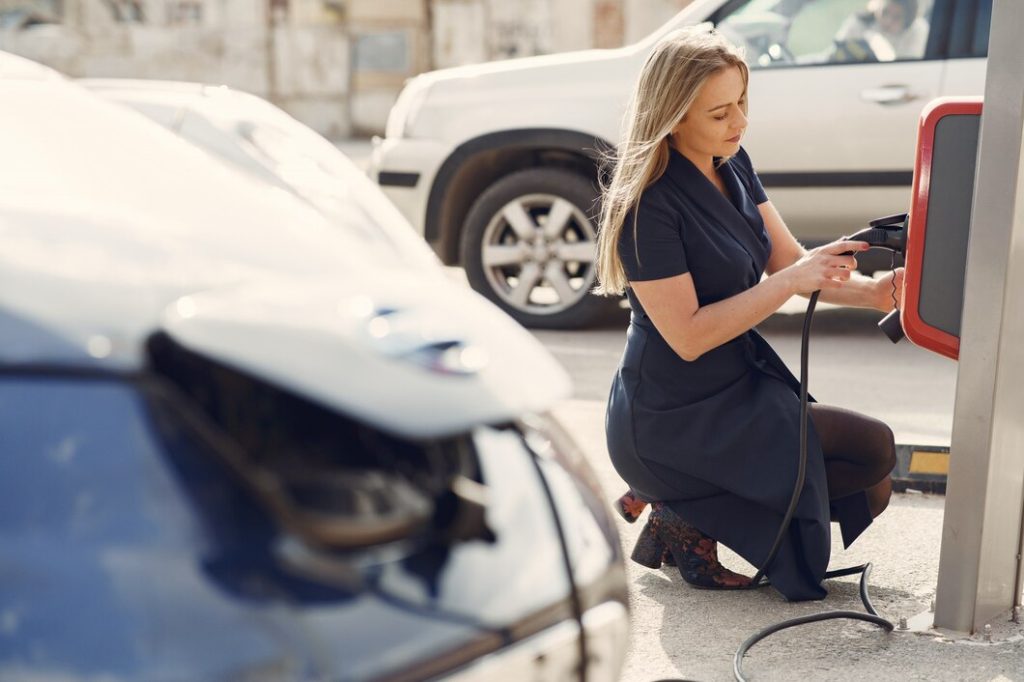
The automotive industry is evolving rapidly, and electric vehicles (EVs) are taking center stage. According to recent data from Mitchell, repairable battery electric vehicle (BEV) claims rose to 3.8% in 2024, reflecting the growing presence of EVs on the road. While more EVs mean a shift in how we approach vehicle repair, the good news is that claim severity has remained relatively stable.
What This Means for EV Owners
If you drive an electric vehicle, you may wonder how this impacts you. As more EVs hit the road, the need for specialized repair knowledge becomes crucial. At Jupiter Chevrolet Collision Center, we’re staying ahead of the curve by ensuring our technicians are trained in the latest EV repair techniques.
Understanding EV Collision Repair Costs
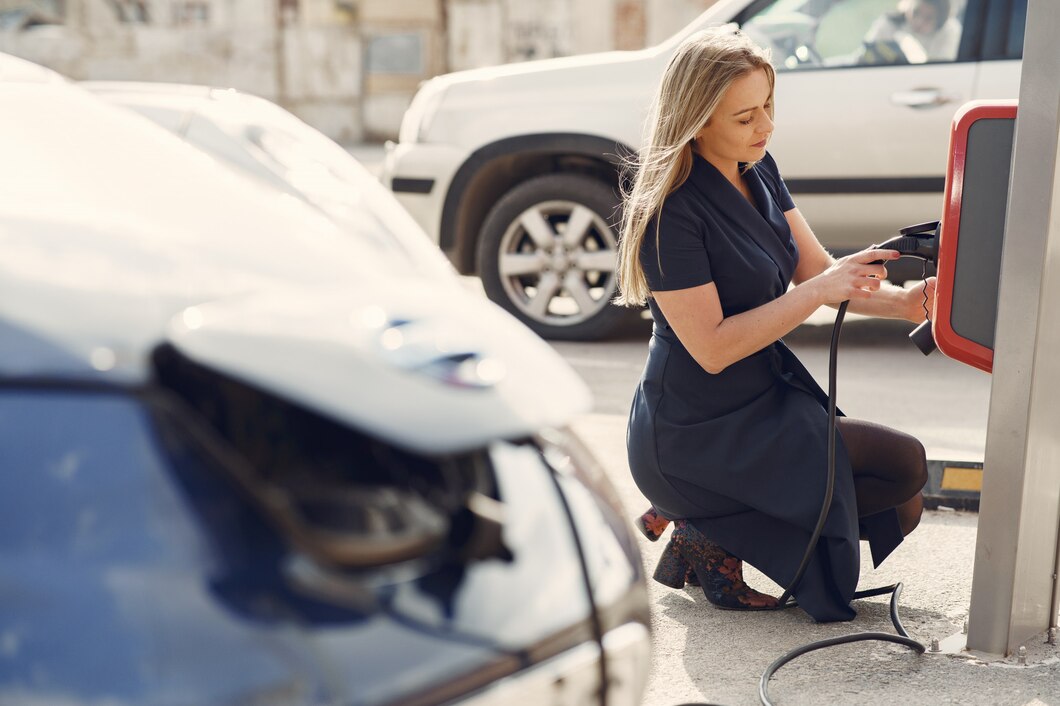
While early concerns suggested that EVs would have significantly higher repair costs, recent data shows that claim severity has remained relatively flat. However, factors such as battery placement, high-voltage systems, and advanced safety technologies make EV repairs different from traditional gas-powered vehicles. This is why choosing a certified repair center with expertise in EVs is essential.
The Importance of Choosing a Certified Collision Center
Not all repair shops are equipped to handle EV repairs properly. At Jupiter Chevrolet Collision Center, we have the expertise, tools, and training necessary to repair electric vehicles safely and efficiently. Our team ensures that all repairs meet manufacturer standards, keeping your vehicle performing at its best.
Looking Ahead
With the continued rise of electric vehicles, the collision repair industry must adapt to new challenges. As we move forward, Jupiter Chevrolet Collision Center remains committed to providing top-notch service, whether you drive a traditional gas-powered car or the latest EV model. If you’re in need of collision repair, trust our experts to get you back on the road safely.
Contact us today to learn more about our EV repair services!
Connect with us


